

A magnitude 7.4 earthquake in Indonesia struck early Thursday morning, shaking Ternate island and surrounding areas, prompting a regional tsunami alert that temporarily raised concerns for residents along the North Maluku coastline.
The United States Geological Survey reported that the quake occurred at a depth of 35 kilometres with its epicentre 127 kilometres west-north-west of Ternate, Indonesia, generating strong shaking lasting between 10 and 20 seconds.
Authorities initially warned of hazardous tsunami waves along the coasts of Indonesia, the Philippines, and Malaysia, suggesting water levels could reach between 0.3 and 1 metre above the usual tide, particularly near populated coastal zones.
About two hours after the earthquake, officials confirmed the tsunami threat had passed, allowing coastal authorities to cautiously begin assessing the impact while urging residents to remain away from the shore.
Strong tremors were felt in Bitung and surrounding regions, causing residents to evacuate buildings and rush outdoors, while local disaster management agencies monitored the situation and tracked at least 11 aftershocks, the strongest being magnitude 5.5.
Tsunami waves were recorded at five locations, with the highest measuring 0.75 metres in North Minahasa, North Sulawesi. Authorities emphasized the need for caution, urging communities to avoid beaches until it was officially safe.
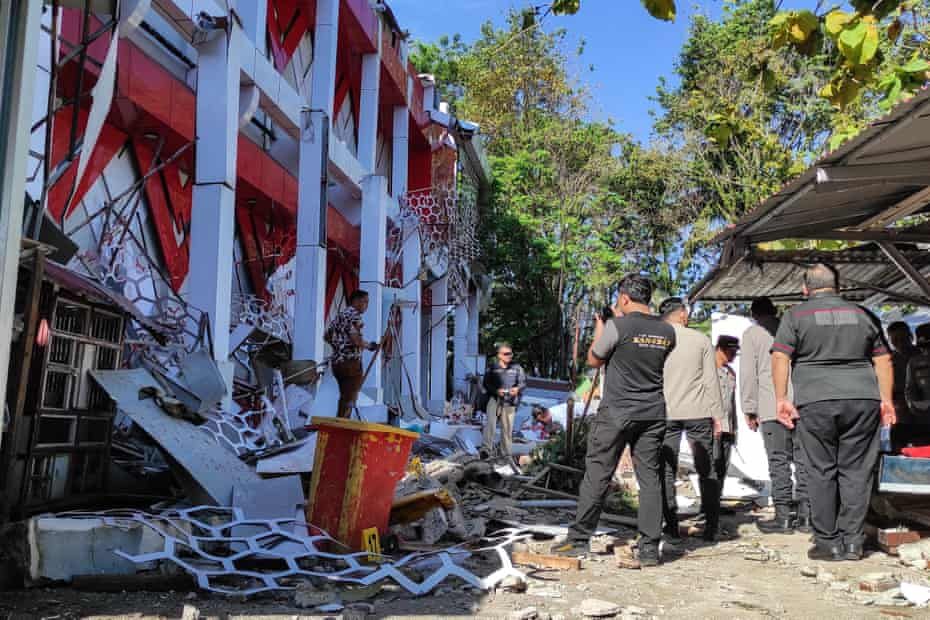
The earthquake resulted in the death of a 70-year-old woman in Minahasa and injuries to another resident. Preliminary reports indicated minor to moderate damage to buildings, including a church and several houses across Ternate and South Ternate districts.
Images from North Sumatra showed destroyed wall panels and twisted metal bars, evidence of the quake’s intensity. Authorities confirmed that Ternate, home to approximately 205,000 people, experienced structural damage but no large-scale collapse.
Initial magnitude estimates by the US Geological Survey recorded 7.8, slightly higher than final figures, while Japan and the Philippines assessed minor sea level changes with no anticipated tsunami damage along their coastlines.
The shaking startled residents in Manado, North Sulawesi, waking many in the early morning hours. People immediately evacuated homes and schools, highlighting Indonesia’s ongoing vulnerability to seismic activity as part of the Pacific “Ring of Fire.”
Indonesia experiences frequent earthquakes due to its position along multiple tectonic faultlines, with previous events, such as the 2022 West Java quake and 2004 Indian Ocean disaster, demonstrating the catastrophic potential of regional seismic activity.
The area surrounding the Molucca Sea has historically experienced numerous earthquakes above magnitude seven, though many occur offshore, limiting damage. Thursday’s quake, however, was close enough to populated areas to cause casualties and structural harm.
Local disaster agencies continue to monitor aftershocks while conducting assessments of affected communities. Officials advised residents to remain alert for further seismic activity, especially along coastal regions that may remain susceptible to small tsunamis.
Indonesia’s disaster response protocols emphasize evacuation, early warning systems, and coordination among agencies. The BNPB and BMKG agencies maintained communications with the public, confirming the threat had passed and offering guidance for safety and recovery efforts.
Residents were urged to avoid returning to damaged areas until inspections confirmed they were safe. Emergency crews are evaluating the stability of buildings, assessing infrastructure, and providing support to those displaced or injured by the earthquake.
The earthquake also disrupted daily life in Ternate and Bitung, with local schools, businesses, and transportation affected by structural inspections and precautionary measures. Authorities continue to coordinate logistics for relief and essential services.
Read also: UK Strait of Hormuz meeting drives global push to reopen critical energy route amid escalating Iran conflict
The event highlights Indonesia’s ongoing challenges in mitigating natural disasters due to its geologically active environment, with emphasis on preparedness, rapid response, and public awareness critical to reducing future casualties.
Experts noted that while the recent quake caused one fatality, rapid warning and evacuation systems prevented a higher death toll, underscoring the effectiveness of Indonesia’s seismic monitoring infrastructure and emergency planning.
Communities affected by the earthquake are now in the recovery phase, focusing on rebuilding damaged properties and ensuring residents have access to medical care, clean water, and safe temporary housing during inspections and repairs.
Thursday’s magnitude 7.4 earthquake serves as a reminder of the Pacific Ring of Fire’s ongoing seismic activity and the importance of resilient infrastructure and public readiness in Indonesia and surrounding nations.
About The Author
