

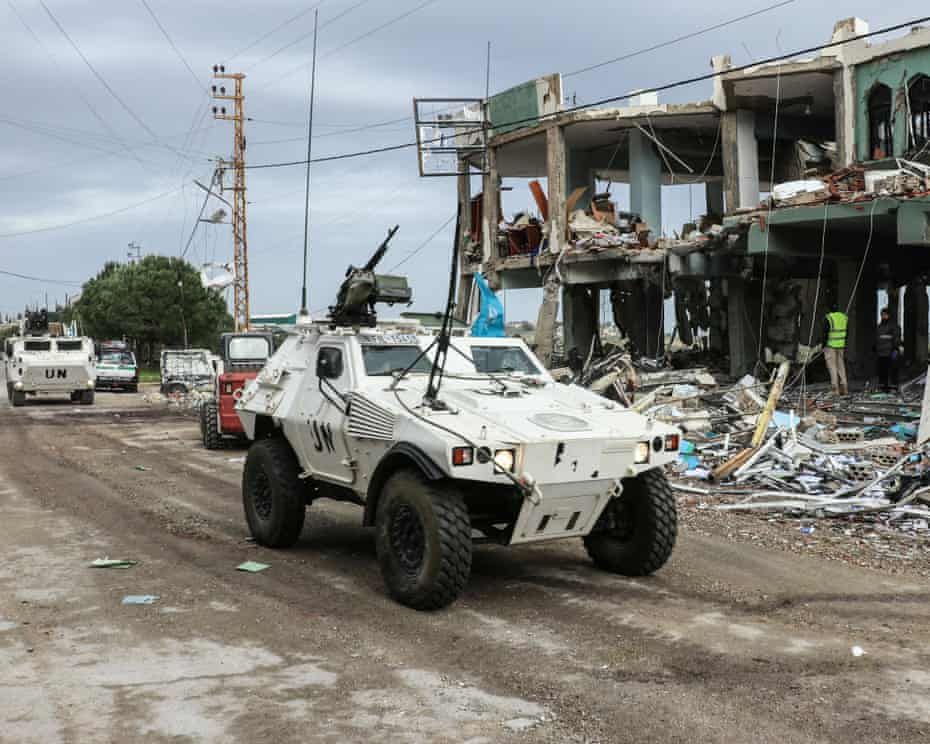
Indonesia condemns death of peacekeeper in Lebanon blast after a projectile struck a United Nations position in the south, raising tensions and prompting calls for respect of sovereignty.
The incident occurred near the village of Adchit al-Qusayr, where a peacekeeping post operated under the United Nations Interim Force in Lebanon was reportedly hit during ongoing regional hostilities.
Authorities confirmed that the victim was an Indonesian peacekeeper serving under the UN mission, marking a significant loss and drawing international concern over the safety of personnel in conflict zones.
Indonesia’s foreign ministry strongly denounced the attack, emphasizing that harm directed at United Nations peacekeepers is unacceptable under international law and must be addressed with urgency.
Officials reiterated that peacekeeping forces are deployed to maintain stability and should not be targeted, especially amid already heightened tensions across southern Lebanon and surrounding regions.
The government also expressed concern over continued military activities in the area, warning that such incidents risk escalating conflict and undermining ongoing diplomatic and peacekeeping efforts.
Indonesia further condemned Israeli attacks in southern Lebanon, calling on all parties involved to exercise restraint and avoid actions that could worsen the fragile security situation.
The statement highlighted the importance of respecting Lebanon’s sovereignty, urging both state and non-state actors to adhere to international agreements and commitments.
The United Nations Interim Force in Lebanon, known as Unifil, has long played a role in monitoring ceasefire conditions and supporting stability along the border region.
Peacekeepers operate in challenging environments, often facing risks due to proximity to active conflict zones and shifting frontlines between opposing forces.
The latest incident underscores the vulnerability of international personnel tasked with maintaining peace in volatile regions, particularly where hostilities remain unresolved.
Indonesia has been a consistent contributor to UN peacekeeping missions, with its troops serving in various global hotspots as part of international stabilization efforts.
The loss of a peacekeeper has sparked renewed calls for stronger protections and clearer rules of engagement to safeguard personnel working under the UN mandate.
Diplomatic voices are urging a thorough investigation into the incident to determine responsibility and prevent similar occurrences in the future.
Such investigations are critical not only for accountability but also for reinforcing the principles that guide international peacekeeping operations worldwide.
Regional tensions have been rising in recent weeks, with increased military exchanges contributing to instability across multiple areas in the Middle East.
Southern Lebanon has remained particularly sensitive, given its history of conflict and the presence of various armed groups operating within the region.
The presence of UN peacekeepers is intended to act as a buffer and provide oversight, though their effectiveness is often challenged by ongoing hostilities.
Indonesia’s response reflects broader international concern about the safety of peacekeepers and the need to ensure their missions can continue without undue risk.
The country has called for immediate steps to prevent further violence and to uphold the integrity of UN operations in Lebanon and elsewhere.
Analysts note that attacks on peacekeepers can have far-reaching consequences, potentially discouraging participation in future missions and weakening global peacekeeping frameworks.
There is also concern that continued incidents could erode trust in international mechanisms designed to manage and resolve conflicts peacefully.
Indonesia’s firm stance signals its commitment to protecting its personnel and upholding the principles of international cooperation and security.
The government has pledged to work with international partners to ensure accountability and improve safety measures for peacekeeping forces.
Meanwhile, the United Nations is expected to review the circumstances surrounding the attack and assess whether additional protections are necessary.
Calls for de-escalation have intensified, with multiple countries urging restraint and dialogue to prevent further deterioration of the situation.
The incident serves as a reminder of the complex challenges facing peacekeeping missions in regions where political and military tensions remain high.
Efforts to stabilize southern Lebanon continue, but progress is often hindered by recurring clashes and unresolved disputes among key actors.
Read also:Russia captures Ukrainian village amid drone attacks on ports
Indonesia has reaffirmed its support for peaceful resolution of conflicts and the role of international institutions in maintaining global stability.
The country’s leadership emphasized that protecting peacekeepers is essential for sustaining efforts to prevent violence and support affected communities.
International observers stress that ensuring the safety of UN personnel is a shared responsibility requiring cooperation from all parties involved.
Failure to protect peacekeepers not only endangers lives but also undermines the credibility and effectiveness of peacekeeping missions worldwide.
The situation in Lebanon remains fluid, with developments closely monitored by governments and organizations concerned about regional security.
Indonesia’s condemnation adds to growing international pressure on involved parties to respect humanitarian principles and avoid targeting non-combatants.
As investigations proceed, attention will focus on identifying those responsible and implementing measures to prevent similar tragedies in the future.
The broader goal remains to restore stability and ensure that peacekeeping forces can carry out their duties without fear of attack.
Indonesia condemns death of peacekeeper in Lebanon blast continues to resonate as a call for accountability and renewed commitment to peace efforts.
About The Author
