“US strikes Iran missile sites” became the dominant global headline after American forces targeted military positions and vessels near the Strait of Hormuz during fragile ceasefire negotiations with Tehran.
The military operation immediately increased fears that tensions between Washington and Tehran could erupt again despite ongoing diplomatic efforts involving Qatar and regional mediators attempting to salvage negotiations.
American officials described the attacks as defensive actions aimed at preventing threats against military assets while maintaining that the ceasefire agreement between both countries technically remains active.
Iranian authorities acknowledged explosions near Bandar Abbas while state-linked media confirmed casualties involving Revolutionary Guard personnel reportedly stationed near strategic maritime operations in southern Iranian territory.
Diplomatic discussions nevertheless continued in Qatar where Iranian negotiators reportedly engaged American representatives regarding sanctions relief, frozen assets, maritime security, and future nuclear programme negotiations involving enriched uranium stockpiles.
Why The US Launched Military Strikes
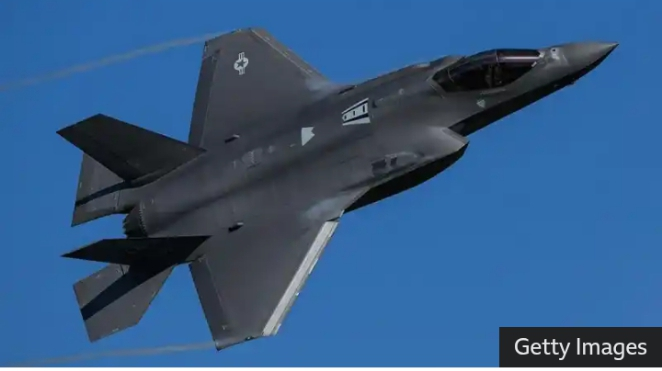
US Central Command announced that military forces targeted missile launch positions alongside vessels allegedly attempting to deploy naval mines near the Strait of Hormuz shipping corridor during heightened tensions.
Defense secretary Pete Hegseth defended the operation, insisting America “will protect freedom of navigation” while warning that military threats against commercial shipping routes would receive immediate responses from US forces.
Officials insisted the operation was necessary because American intelligence identified immediate risks threatening international maritime security routes heavily relied upon for global oil and natural gas transportation activities.
Navy captain Tim Hawkins described the strikes as “defensive” and emphasized that American forces continue exercising restraint despite increasing provocations and uncertainty surrounding the fragile seven-week ceasefire agreement.
The Pentagon avoided describing the attacks as escalation while insisting military commanders acted specifically to prevent strategic disruptions capable of affecting global energy markets and allied regional military operations.
Military analysts believe Washington wanted to demonstrate strength without completely collapsing negotiations currently taking place between Iranian diplomats and international intermediaries attempting to stabilize the increasingly volatile Middle East situation.
Several experts noted that attacks targeting naval operations instead of broader infrastructure signaled an attempt to send warnings rather than initiate another prolonged military confrontation with Tehran and allied regional forces.
Iran Responds To The Attacks
Iranian state television confirmed explosions around Bandar Abbas but later assured citizens that authorities had regained control while security forces monitored developments near the sensitive military port area.
News outlet Tabnak identified four Revolutionary Guard personnel reportedly killed during the strikes while Iranian officials accused Washington of undermining diplomatic progress through military intimidation and regional pressure tactics.
Iran’es foreign ministry condemned the attacks as “provocative aggression” and warned that continued military operations could damage ongoing diplomatic negotiations taking place through regional mediators in Qatar and Oman.
Government spokespersons insisted Iran remains committed to negotiations despite what they described as “reckless pressure tactics” designed to weaken Tehran’s bargaining position during discussions surrounding sanctions and frozen financial assets abroad.
Iranian leaders have repeatedly argued that external military pressure will not force Tehran into surrendering nuclear rights or accepting unfavorable conditions regarding uranium enrichment and regional security arrangements.
Political observers inside Iran warned that continued military strikes could strengthen hardline factions opposing diplomatic compromise while weakening moderates advocating negotiations with Washington and other Western governments.
Despite the growing tensions, Tehran maintained communication channels through Qatari mediators and emphasized that discussions concerning maritime security and financial restrictions remain important for future regional stability efforts.
Trump’s Iran Peace Deal Faces Growing Scrutiny
President Donald Trump continues facing criticism from conservative allies who fear ongoing negotiations resemble the controversial nuclear agreement established during former president Barack Obama’s administration several years earlier.
Republican lawmakers reportedly expressed concerns regarding proposals allowing billions of dollars in frozen Iranian assets to become accessible through international banking arrangements involving regional financial institutions and intermediaries.
Critics argue that economic concessions may strengthen Iran financially without securing permanent guarantees preventing future nuclear weapons development or broader military expansion across the Middle East region.
Trump nevertheless defended negotiations and insisted his administration seeks a “great deal” capable of preventing war while securing international shipping routes and stabilizing volatile global energy prices before midterm elections.
In a Truth Social post, Trump warned that negotiations “will only be a Great Deal for all, or no Deal at all,” while insisting discussions with Tehran were still progressing positively despite fresh military exchanges.
The American president also suggested Iran’s highly enriched uranium could be “destroyed” domestically under international supervision instead of being transferred abroad, representing a possible diplomatic compromise during ongoing negotiations.
Foreign policy experts interpreted the proposal as a significant concession because previous American positions reportedly demanded removal or international transfer of enriched uranium stockpiles currently maintained inside Iranian territory.
Rubio Pushes Diplomacy Despite Rising Tensions
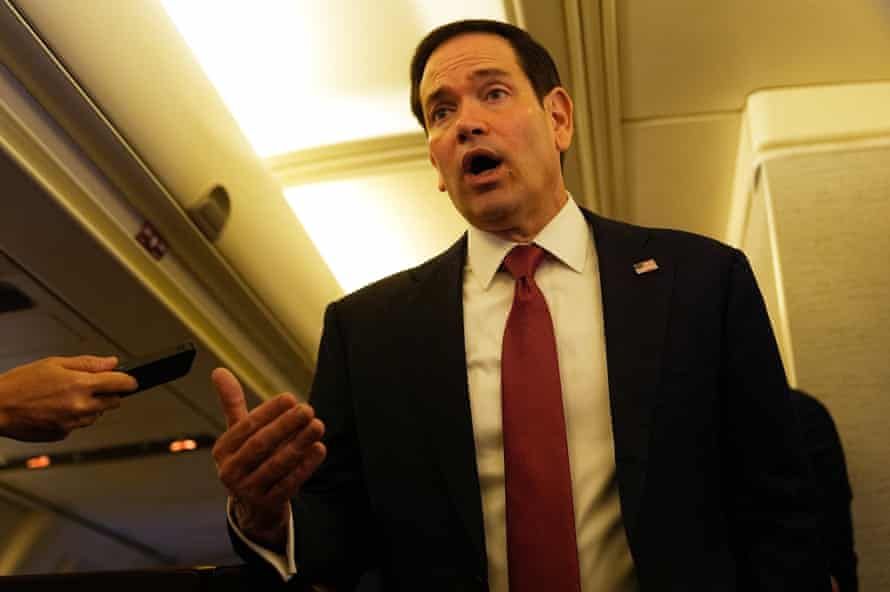
US secretary of state Marco Rubio attempted to calm fears surrounding the latest confrontation by insisting diplomatic progress remained achievable despite military strikes near the Strait of Hormuz maritime corridor.
Speaking during an official visit to India, Rubio said, “a deal was still possible,” while emphasizing that negotiations in Qatar continued involving discussions about “specific language” within the proposed memorandum agreement.
Rubio additionally warned that the Strait of Hormuz would reopen “one way or another,” reflecting Washington’s determination to secure international shipping lanes critical to global oil and liquefied natural gas transportation.
Iranian negotiators reportedly focused heavily on obtaining access to frozen financial assets held within foreign banks including accounts located in Qatar and other regional financial centers connected to sanctions disputes.
Economic pressure continues severely affecting Iran’s domestic economy as inflation, unemployment, and reduced oil revenues increase public frustration and place additional pressure upon political leadership structures inside the country.
American negotiators reportedly hope financial incentives could encourage broader cooperation regarding maritime security, nuclear transparency, and reduced military activity involving regional proxy organizations aligned with Tehran’s strategic interests.
Observers however warn that premature sanctions relief may create political backlash within Washington where many lawmakers oppose economic concessions before concrete verification regarding Iran’s nuclear programme and military commitments.
Strait Of Hormuz Crisis Raises Global Concerns
The Strait of Hormuz remains central to ongoing negotiations because approximately one-fifth of global oil and liquefied natural gas supplies pass through the strategically important maritime corridor every single day.
International markets reacted nervously following reports involving naval mines and missile activity near shipping lanes because disruptions could immediately increase transportation costs and global fuel prices across multiple continents.
Iran has suggested future management arrangements involving navigation fees and maritime coordination could emerge through agreements negotiated alongside Oman, another influential regional actor maintaining diplomatic relations with competing parties.
American officials insist reopening and protecting the shipping corridor remains essential for global economic stability especially as inflation concerns continue affecting households and businesses throughout international energy-dependent economies worldwide.
Energy analysts warned that prolonged instability within the Strait of Hormuz could trigger broader supply chain disruptions impacting manufacturing industries, transportation networks, aviation sectors, and food distribution systems internationally.
Several Gulf nations reportedly intensified maritime security coordination efforts while monitoring developments closely because escalating conflict could threaten commercial infrastructure and economic investment projects across the wider Middle East region.
Nuclear Negotiations Remain The Biggest Challenge
Iran’s nuclear programme remains the most sensitive issue despite temporary focus shifting toward maritime security and ceasefire arrangements following recent military exchanges between American and Iranian forces.
Tehran previously indicated willingness to reduce uranium enrichment purity levels but strongly opposed transferring existing stockpiles outside Iranian territory for storage or destruction under foreign supervision arrangements.
Washington meanwhile continues demanding guarantees preventing Iran from eventually producing nuclear weapons capability using highly enriched uranium accumulated during years of expanding nuclear research and technological development efforts.
Diplomatic sources believe future negotiations may require phased agreements addressing sanctions, inspections, uranium enrichment levels, and regional military tensions separately instead of forcing comprehensive settlement discussions immediately.
International nuclear watchdog agencies could eventually supervise any compromise agreement involving destruction, dilution, or monitoring of enriched uranium currently stored inside heavily protected Iranian nuclear facilities and research installations.
Security experts caution however that mistrust between Washington and Tehran remains extremely deep following decades of hostility, sanctions, proxy conflicts, and failed diplomatic attempts involving multiple previous administrations and governments.
Read also: Iran deal negotiations hit obstacles as Tehran denies agreement is imminent
“US strikes Iran missile sites” has intensified uncertainty surrounding already fragile negotiations between Washington and Tehran as military pressure collides with complicated diplomacy involving nuclear ambitions and regional security concerns.
Although both governments publicly insist diplomatic channels remain active, continued military confrontations risk undermining negotiations and strengthening hardline political factions skeptical about compromise and international cooperation within both countries.
The coming weeks will likely determine whether ongoing talks produce a breakthrough capable of stabilizing the Middle East or whether renewed conflict further destabilizes global energy markets and international diplomatic relations worldwide.
About The Author