
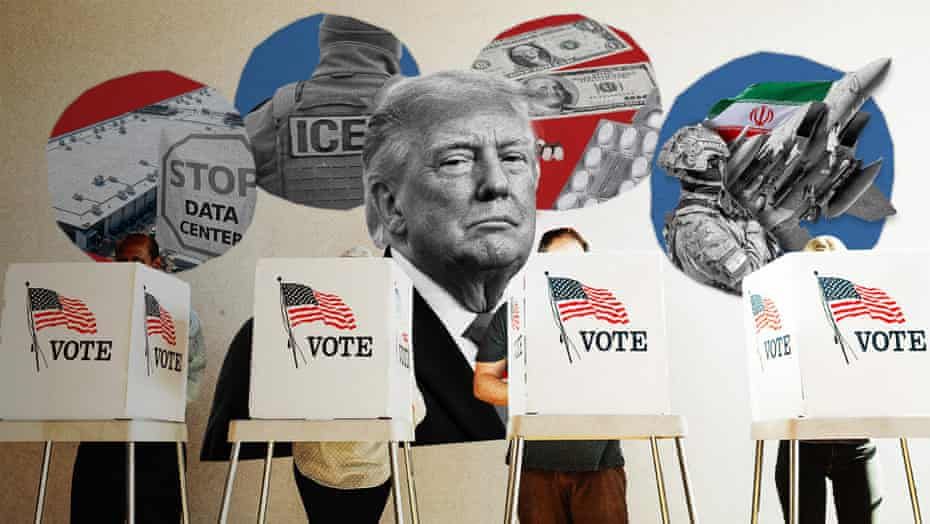
The US Justice Department has threatened legal action against California over alleged noncitizen voting, giving state officials 48 hours to review a list of individuals the federal government believes may not be American citizens ahead of next month’s midterm elections.
The demand, outlined in a letter sent to California Secretary of State Shirley Weber on Tuesday, requires officials to withhold mail-in ballots from individuals on the list until their citizenship status is confirmed.
Acting Deputy Attorney General Trent McCotter said the federal government had provided Los Angeles County officials with a “password-protected thumb drive” containing the names of people it “believes are likely noncitzens”.
According to the report, the Justice Department warned that it would seek emergency legal intervention if California officials failed to comply with its demands.
“Allowing noncitizens to vote cancels citizen votes,” McCotter wrote in the letter.
Justice Department Demands Review of Voter List
The Justice Department’s letter reportedly instructs California officials to separate ballots associated with the individuals identified in the federal list while their citizenship status is investigated.
It also demands that ballots already returned by the affected individuals should not be counted until their citizenship has been determined.
The department’s position is that allowing noncitizens to participate in elections undermines the voting rights of eligible American citizens.
However, the allegations described in the letter do not, by themselves, establish that the individuals identified by the federal government illegally registered or voted in an election.
The 48-hour deadline places California election officials under pressure to review the information and determine how to respond to the federal government’s demands.
The department has indicated that it is prepared to approach the courts if the state does not comply.
Trump Administration Faces Scrutiny Over Election Fraud Claims
The confrontation comes as President Donald Trump’s administration continues seeking evidence to support claims of voter fraud ahead of the November 2026 midterm elections.
The administration’s actions have intensified scrutiny of how federal authorities are attempting to influence election administration and how states are expected to verify voter eligibility.
The California dispute centres on whether the federal government’s list provides sufficient grounds to delay or withhold ballots while citizenship is investigated.
It also raises questions about the process election officials should follow when presented with allegations that registered voters may not be eligible to participate.
The distinction between an allegation and a confirmed violation is significant because the individuals named in the list may require further verification before any conclusion can be reached about their eligibility.
California Faces a Critical Election Administration Decision
California officials must assess the federal government’s information and determine how to handle the requested ballot restrictions within the deadline established by the Justice Department.
The letter’s demand that ballots be separated and potentially excluded from counting pending citizenship checks could affect how officials process votes linked to the people identified.
The department’s warning that it may seek emergency relief means the disagreement could move into the courts if the two sides fail to reach an agreement.
Any legal challenge could examine the federal government’s authority to make such demands, the procedures for verifying citizenship and the safeguards available to eligible voters whose ballots might be affected.
The dispute also highlights the administrative challenges that arise when election authorities must investigate eligibility concerns while ensuring that lawful ballots are not improperly excluded.
No conclusion about the citizenship or voting status of the individuals on the list can be drawn solely from the Justice Department’s description of them as people it believes are likely noncitizens.
Midterm Elections Increase Political Pressure
The confrontation comes less than three weeks before the November midterm elections, when control of Congress and several state offices will be contested.
Read also: William Chapman tiger attack video: Family condemns online sharing of fatal attack video reposted by Trump
President Trump has travelled to Arizona and Montana as he seeks to rally support for Republican candidates, while Democrats are intensifying their campaigns in competitive races across the country.
Former vice-president Kamala Harris is also preparing to campaign for Democratic candidates in several states during the final stretch before election day.
Meanwhile, the political debate has been shaped by concerns about inflation and the cost of living. US annual inflation reached 3.7% in September, according to figures reported by The Guardian, adding to the economic issues confronting voters.
The Justice Department’s action against California therefore arrives during a politically sensitive period, with election integrity, voter eligibility and the administration of mail-in ballots likely to attract further attention.
The immediate issue remains whether California officials will comply with the federal government’s 48-hour demand or challenge it through legal channels.
The Justice Department has warned that it will seek emergency relief if the state refuses to follow its instructions. The information supplied in the report does not establish the final response from California officials or the outcome of any potential court proceedings.
About The Author






