US-Iran nuclear talks: Rubio says US will find ‘another way’ if negotiations fail
The US-Iran nuclear talks have entered a critical phase as Washington signals both openness to diplomacy and readiness for escalation if negotiations collapse. US Secretary of State Marco Rubio stated that the United States will pursue “another way” if current diplomatic efforts fail to produce a deal with Tehran, underscoring growing uncertainty around one of the world’s most sensitive geopolitical disputes.
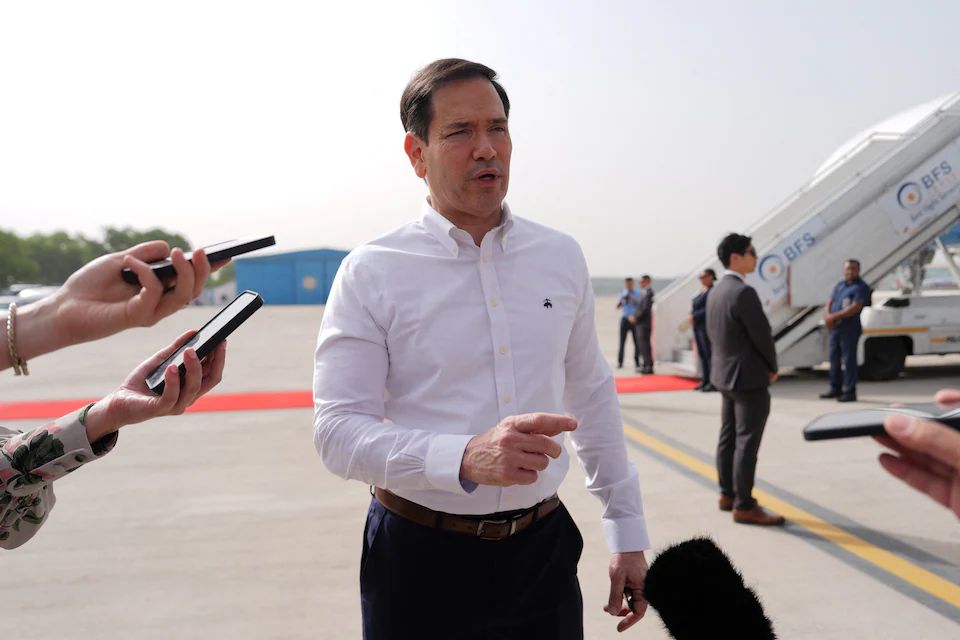
Speaking to journalists in New Delhi, Rubio emphasized that diplomacy remains the preferred route but insisted that Washington will not be constrained if talks break down. “We will give diplomacy every chance to succeed,” he said, “but if it doesn’t, there are other options.”
The remarks come as negotiations over Iran’s nuclear programme, sanctions relief, and maritime access through the Strait of Hormuz continue to stall, despite reports of limited progress behind the scenes.
Rising pressure in US-Iran nuclear talks
The US-Iran nuclear talks are currently centered on several unresolved issues, including uranium enrichment levels, sanctions relief, and regional security guarantees. US officials have suggested that Iran has shown “in principle” willingness to consider aspects of a deal, but no formal agreement has been reached.

Rubio’s comments highlight Washington’s dual-track strategy: maintaining diplomatic engagement while preparing for alternative measures.
“We are not rushing into anything,” Rubio said. “A good agreement is better than a fast agreement.”
A senior administration official added that “there is a framework on the table,” but stressed that key elements remain unsettled, particularly how Iran’s enriched uranium stockpile would be handled.
Iranian officials, meanwhile, have pushed back strongly, insisting that sanctions relief and access to frozen assets must be part of any agreement. One Iranian parliamentary spokesperson said, “Iran does not yield to pressure. If the US wants a deal, it must negotiate fairly.”
Strait of Hormuz tensions and nuclear diplomacy
Strategic chokepoint at the center of negotiations
The Strait of Hormuz remains one of the most critical flashpoints influencing the US-Iran nuclear talks. Nearly a fifth of global oil and liquefied natural gas shipments pass through the waterway, making it central to both energy security and geopolitical stability.
US officials have reportedly linked partial sanctions relief and maritime de-escalation to progress in negotiations. According to administration sources, Iran has “in principle” agreed to discussions around reopening the strait under a monitored framework.
A US official said, “The idea is to reopen the strait first, then move toward more detailed nuclear verification steps.”
However, Tehran has not confirmed any such agreement. Iranian state-linked media has accused Washington of maintaining “economic pressure tactics” while calling for diplomacy.
An Iranian source was quoted as saying, “They talk about agreement, but continue blockade measures. That is not negotiation.”
Economic impact of US-Iran nuclear talks
The US-Iran nuclear talks are already having significant ripple effects across global energy markets. Oil prices recently dropped by around 6%, reflecting investor expectations that a partial deal could ease supply risks.
Analysts note that even limited progress could stabilize energy flows through the Strait of Hormuz, easing fears of prolonged disruption in global trade routes.
One market strategist commented, “The mere possibility of de-escalation between Washington and Tehran is enough to move oil markets sharply.”
However, uncertainty remains high. Traders caution that any breakdown in talks could quickly reverse price stability and trigger renewed volatility across fuel, fertilizer, and shipping markets.
Another energy analyst said, “We are seeing a fragile optimism. It is entirely dependent on the trajectory of these negotiations.”
Nuclear programme disputes remain unresolved
At the heart of the US-Iran nuclear talks is the dispute over Iran’s uranium enrichment activities. The United States and its allies accuse Iran of advancing capabilities that could potentially be used for weapons development, while Tehran insists its programme is strictly civilian.
A senior US official stated that Iran has “agreed in principle” to dispose of highly enriched uranium under certain conditions, but added that “the question is how and under what supervision.”
Iran, however, has repeatedly rejected demands to fully dismantle its enrichment capacity.
An Iranian diplomat said, “We will not abandon our nuclear rights. Civilian enrichment is non-negotiable.”
The United Nations nuclear watchdog is expected to play a role in any future verification mechanism, but the structure of such oversight remains undefined.
Political tensions in Washington and Tehran
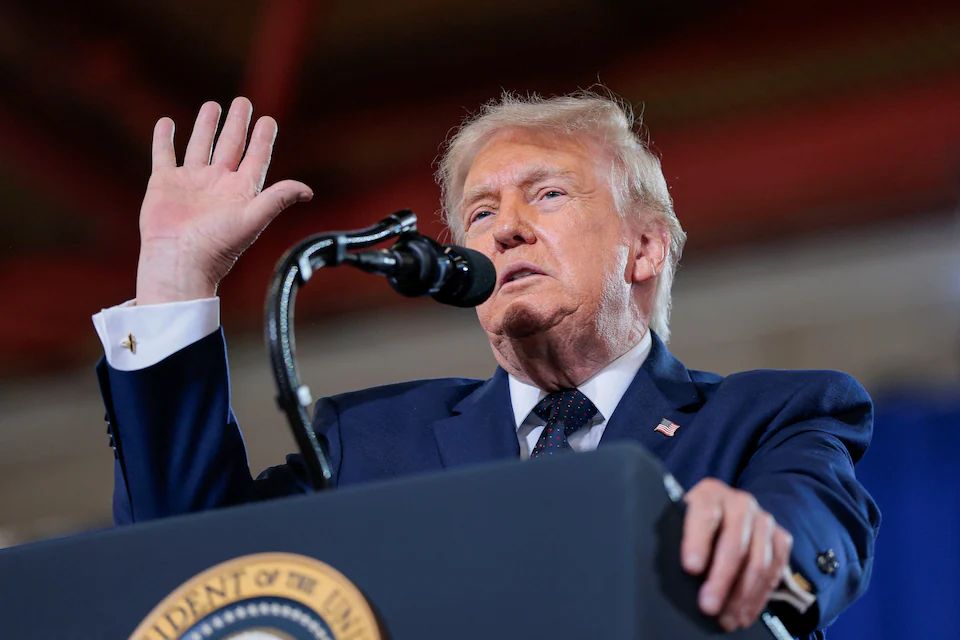
Domestic politics in both countries are shaping the trajectory of the US-Iran nuclear talks. In Washington, President Donald Trump has faced pressure from lawmakers critical of any potential concessions to Tehran, particularly regarding sanctions relief.
Read also: Rubio signals breakthrough in Iran talks as Trump-backed Hormuz plan sparks fierce US divide
Trump has defended his approach, saying, “If I make a deal with Iran, it will be a good and proper one. Don’t listen to critics who don’t understand what is at stake.”
In Iran, hardline factions continue to resist compromise, arguing that Western sanctions have already weakened trust in negotiations.
A senior Iranian political figure said, “Negotiations must be based on mutual respect, not coercion. Anything else will fail.”
Strategic uncertainty and global implications
The outcome of the US-Iran nuclear talks carries significant implications far beyond the two countries. Any agreement could reshape energy markets, reduce military tensions in the Middle East, and stabilize shipping routes through the Strait of Hormuz.
Conversely, a breakdown could escalate regional tensions involving allied states and proxy groups, potentially triggering broader instability.
Experts say the current phase represents a delicate balance between diplomacy and deterrence.
One geopolitical analyst noted, “We are in a window where both sides are signaling flexibility, but also preparing for failure. That is a dangerous combination.”
Outlook for the US-Iran nuclear talks
The future of the US-Iran nuclear talks remains uncertain, with both sides publicly emphasizing diplomacy while privately preparing for alternative scenarios.
Rubio’s statement that the US will find “another way” if negotiations fail reflects this dual approach. While Washington continues to stress its preference for a negotiated settlement, officials are also signaling readiness for increased pressure if diplomacy collapses.
A senior diplomat summarized the situation bluntly: “We are close enough to see progress, but far enough to see failure.”
For now, the world watches closely as negotiations continue under intense political, economic, and strategic pressure.
The US-Iran nuclear talks represent one of the most consequential diplomatic efforts of recent years. With global energy markets, regional security, and nuclear non-proliferation all hanging in the balance, the stakes could not be higher.
As Rubio warned, the United States remains committed to diplomacy—but “another way” remains firmly on the table if talks fail to deliver results.
About The Author