

Israeli Strikes have intensified dramatically, targeting key locations across Tehran and Lebanon as the conflict in the Middle East continues to escalate with increasing intensity and global concern.
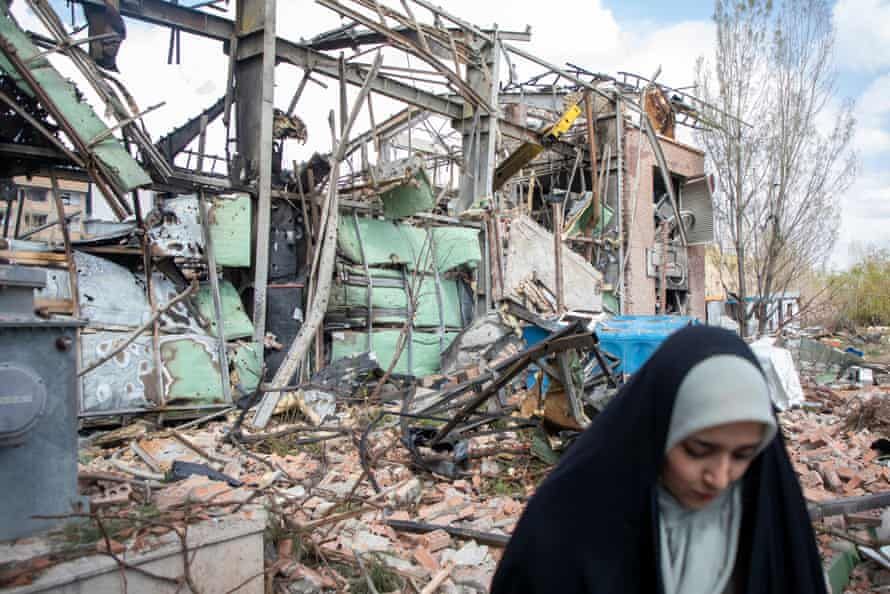
Explosions were reported across the Iranian capital, where residents described terrifying moments as air defenses were overwhelmed by coordinated waves of incoming strikes.
Israel confirmed the attacks focused on strategic military infrastructure, including missile storage facilities and air defense systems within Tehran.
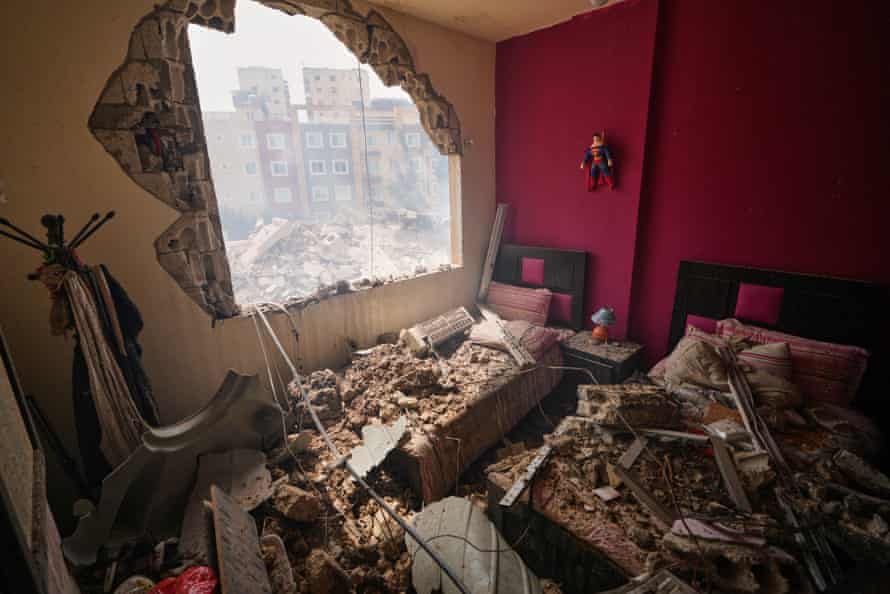
Israeli Strikes also extended beyond Iran, hitting targets in southern Lebanon, where multiple buildings were destroyed following evacuation warnings issued to civilians.
One missile strike reportedly flattened a multi-storey building, while others caused severe structural damage across residential and strategic areas in the region.
The attacks form part of a broader campaign aimed at weakening adversarial capabilities amid ongoing hostilities involving multiple regional actors.
Witnesses described scenes of chaos and fear as explosions echoed through urban centers, with emergency responders rushing to affected sites.
Israeli Strikes have increasingly targeted infrastructure believed to support military operations, including weapons development and storage facilities.
The strikes come amid rising tensions with Iran, which has faced repeated bombardments from both Israel and the United States.
Officials argue the operations are necessary to neutralize threats and prevent further escalation, though critics warn of growing humanitarian consequences.
In Lebanon, the impact has been severe, with significant displacement reported as civilians flee areas considered high-risk targets.
Israeli Strikes have reportedly killed over a thousand individuals in Lebanon, contributing to an already worsening humanitarian crisis.
The targeting of areas near civilian populations has drawn international scrutiny, raising concerns about adherence to international law.
Despite warnings, continued missile exchanges between opposing sides have heightened fears of a broader regional conflict.
Israeli Strikes are seen by analysts as part of a strategy to disrupt supply chains and degrade operational capabilities of adversaries.
The situation remains volatile, with retaliatory actions expected as tensions continue to rise across multiple fronts.
Missiles have also been launched into Israeli territory, causing injuries and damage in several cities, further escalating the cycle of violence.
Reports suggest the use of controversial munitions, adding another layer of complexity to an already contentious conflict.
Israeli Strikes highlight the evolving nature of warfare, where urban centers increasingly become battlegrounds in modern conflicts.
The destruction of infrastructure has long-term implications, affecting essential services and economic stability within affected regions.
International organizations have called for restraint, urging all parties to prioritize civilian safety and pursue diplomatic solutions.
Israeli Strikes continue to reshape the dynamics of the conflict, influencing both military strategies and political negotiations.
Observers note that sustained attacks could further destabilize the region, increasing the likelihood of wider international involvement.
The strikes have also intensified debates around proportionality and necessity within military operations conducted in densely populated areas.
Israeli Strikes demonstrate the high stakes involved, where each action carries significant political, military, and humanitarian consequences.
Efforts to mediate peace remain ongoing, though progress has been limited amid continued hostilities and mutual distrust.
The conflict has already resulted in significant casualties, with thousands affected across multiple countries involved in the crisis.
Israeli Strikes are expected to continue as long as perceived threats remain, according to military sources and defense analysts.
The broader implications extend beyond the region, impacting global security and economic stability due to strategic importance.
As the situation evolves, attention remains focused on whether diplomatic interventions can prevent further escalation.
Israeli Strikes underscore the urgency of addressing underlying tensions that have fueled prolonged instability in the Middle East.
Read also:Iran Hormuz chokehold intensifies global oil pressure
The coming days will likely determine whether the conflict intensifies further or moves toward a negotiated resolution.
Israeli Strikes remain a central element of the unfolding crisis, shaping both immediate outcomes and long-term regional dynamics.
About The Author
