

Daring Rescue became the defining moment as United States forces successfully saved the second crew member after a dramatic crash incident deep inside Iranian territory during escalating regional tensions.
The operation unfolded over two tense days, involving coordinated aerial and ground efforts as the United States military intensified search patterns across difficult terrain in southwestern Iran.
Officials confirmed the rescued airman sustained injuries but remained stable, marking a critical success for military planners who executed the high-risk extraction under constant threat of hostile engagement.
Donald Trump described the mission as one of the most daring in modern American military history, praising the bravery of personnel involved in the operation.
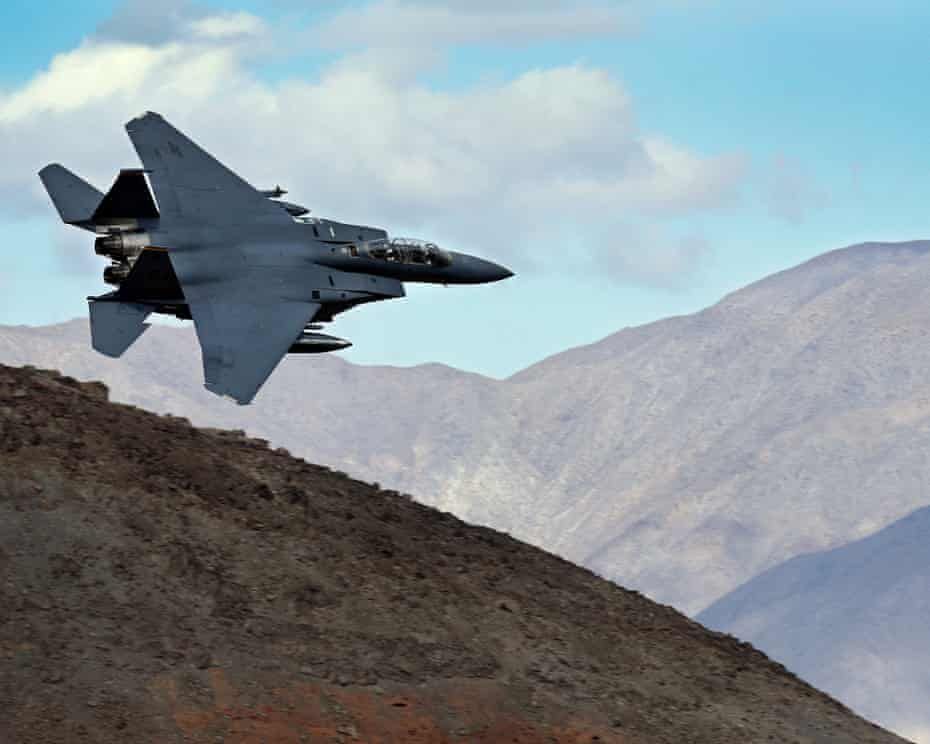
The aircraft involved, an F-15E Strike Eagle, had been downed earlier, marking the first such loss in the ongoing conflict between the United States and Iran.
Search teams deployed advanced helicopters and surveillance aircraft, ensuring constant monitoring while minimizing exposure to Iranian defensive systems and potential interception threats.
Military analysts noted that survival training likely played a vital role, as the missing crew member evaded detection while awaiting rescue deep within potentially hostile territory.
The successful recovery followed the earlier rescue of the pilot, reinforcing the effectiveness of coordinated search and rescue strategies under combat conditions and hostile surveillance.
Reports indicated that rescue helicopters operated at low altitudes to avoid radar detection, showcasing tactical expertise and precise execution under extreme operational pressure.
The mission also involved backup aircraft providing defensive coverage, ensuring the extraction team could respond swiftly to any emerging threats during the rescue process.
Daring Rescue further underscored the resilience of US military operations, particularly in contested environments where enemy capabilities remain significant and unpredictable.
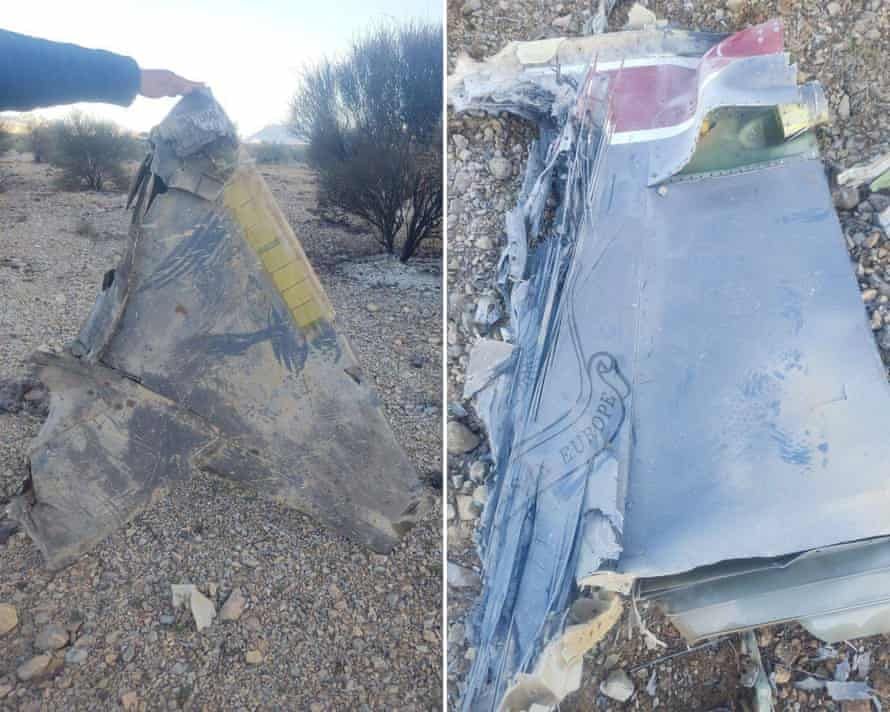
Iranian media had earlier released images of wreckage, fueling speculation and increasing urgency within US command structures to locate and recover the missing airman.
The presence of an ejector seat among debris suggested the crew member survived the initial crash, prompting intensified search efforts across multiple possible landing zones.
Military experts emphasized the importance of communication systems that allow downed personnel to transmit coordinates or signals to rescue teams operating nearby.
Daring Rescue demonstrated how advanced planning, training, and coordination converge to achieve success even in the most dangerous operational environments.
Despite the success, tensions remain high as the incident highlights vulnerabilities in aerial operations over contested territories with active air defense systems.
The United States has not publicly confirmed the exact cause of the aircraft being downed, though Iranian sources claimed responsibility for the incident.
The rescue operation also involved significant logistical coordination, including refueling support and continuous intelligence gathering throughout the mission duration.
Analysts believe the operation will influence future military planning, especially regarding risk assessment and deployment strategies in hostile airspace.
Daring Rescue serves as a reminder of the human dimension of warfare, where survival and recovery efforts carry immense emotional and strategic significance.
The incident has drawn global attention, with observers closely monitoring how it may affect ongoing diplomatic efforts between Washington and Tehran.
While the rescue is seen as a tactical success, it also underscores the broader complexities of the conflict and the risks faced by personnel on active missions.
Military officials reiterated their commitment to recovering all personnel, emphasizing a longstanding doctrine of leaving no service member behind under any circumstances.
The operation required split-second decision-making, with commanders balancing risk against urgency as time became a critical factor in ensuring survival.
Daring Rescue also highlighted the importance of technological superiority, including advanced aircraft, navigation systems, and real-time intelligence integration.
Experts suggest that such missions strengthen morale within military ranks, reinforcing confidence in leadership and operational capabilities.
The successful extraction may also serve as a deterrent, signaling the United States’ ability to conduct precise operations even within contested zones.
However, the downing of the aircraft raises questions about evolving threats and the effectiveness of existing countermeasures against modern air defense systems.
Daring Rescue will likely be studied extensively in military institutions as a case example of effective search and rescue under combat conditions.
The incident also reinforces the unpredictable nature of conflict, where rapid escalation can occur despite ongoing diplomatic negotiations.
Read also: Artemis II Astronauts capture stunning Earth views on Moon-bound journey
As tensions persist, the focus remains on balancing military objectives with broader geopolitical considerations in a volatile region.
The rescued airman is expected to receive medical care and debriefing, providing valuable insights into the circumstances surrounding the crash.
Daring Rescue stands as both a success story and a cautionary tale, reflecting the complexities and risks inherent in modern warfare operations.
About The Author
