The Iran deal negotiations faced renewed uncertainty on Monday after Tehran rejected claims that a breakthrough agreement with Washington was close, despite reports of progress on several critical issues tied to regional security, nuclear policy, and the future of the Strait of Hormuz.
Iranian officials said conflicting signals from the United States, combined with what they described as Israeli interference, were slowing efforts to finalize a diplomatic framework aimed at reducing tensions across the Middle East.
Speaking during a weekly foreign ministry briefing, Iranian foreign ministry spokesperson Esmail Baghaei insisted that while discussions had advanced on several topics, no immediate agreement should be expected.
“It is correct to say that we have reached a conclusion on a large portion of the issues under discussion,” Baghaei said. “But to say that this means the signing of an agreement is imminent – no one can make such a claim.”The Guardian reports.
Strait of Hormuz tensions complicate diplomacy
The Iran deal negotiations remain heavily centered on the future management of the Strait of Hormuz, one of the world’s most strategically vital shipping corridors.
Iranian officials confirmed that talks involving Oman and Tehran were continuing over navigation arrangements through the strait, which handles a major portion of global oil and liquefied natural gas shipments.
Baghaei rejected claims that Iran intended to impose tolls on commercial vessels, insisting that any fees would instead be linked to “navigational services” and environmental protection measures.
“The term tolls should not be used,” he said. “We do not charge tolls. We should be careful in the choice of words.”
Western governments and Gulf states remain cautious about the proposal, fearing that Iran could gain greater leverage over one of the world’s most important maritime trade routes.
One regional security expert said: “Any arrangement that increases Iran’s influence over commercial shipping lanes will immediately trigger concern among Western and Gulf governments.”
Another analyst added: “The Strait of Hormuz is not just a regional issue. It affects global energy security and international markets.”
Nuclear disagreements slow Iran deal negotiations
Iran nuclear programme remains a central dispute
Despite signs of diplomatic movement, the Iran deal negotiations continue facing major disagreements surrounding the Iran nuclear programme and Tehran’s stockpile of highly enriched uranium.
Iranian officials confirmed that nuclear technicalities would not be fully resolved within the initial memorandum currently under discussion. Instead, negotiators are reportedly considering a 60-day framework for further talks after any preliminary agreement is reached.
The United States is believed to be demanding that Iran commit to disposing of its highly enriched uranium stockpile, while Tehran insists it will not surrender what it calls its sovereign nuclear rights.
Iran has reportedly proposed down-blending the uranium rather than transferring it abroad.
An Iranian official said: “We are willing to discuss practical solutions, but we will not permit the transfer of our uranium stockpile to foreign powers.”
Another source familiar with the talks stated: “Suspending enrichment temporarily is one thing. Ending our programme entirely is another.”
The dispute remains politically sensitive in both Tehran and Washington.
Rubio and Trump maintain pressure on Tehran
US Secretary of State Marco Rubio continued expressing cautious optimism while also warning that Washington was prepared to explore alternative measures if diplomacy failed.
“Either we will have a good deal or we will deal with this issue in another way,” Rubio said. “And we prefer to have a good deal.”
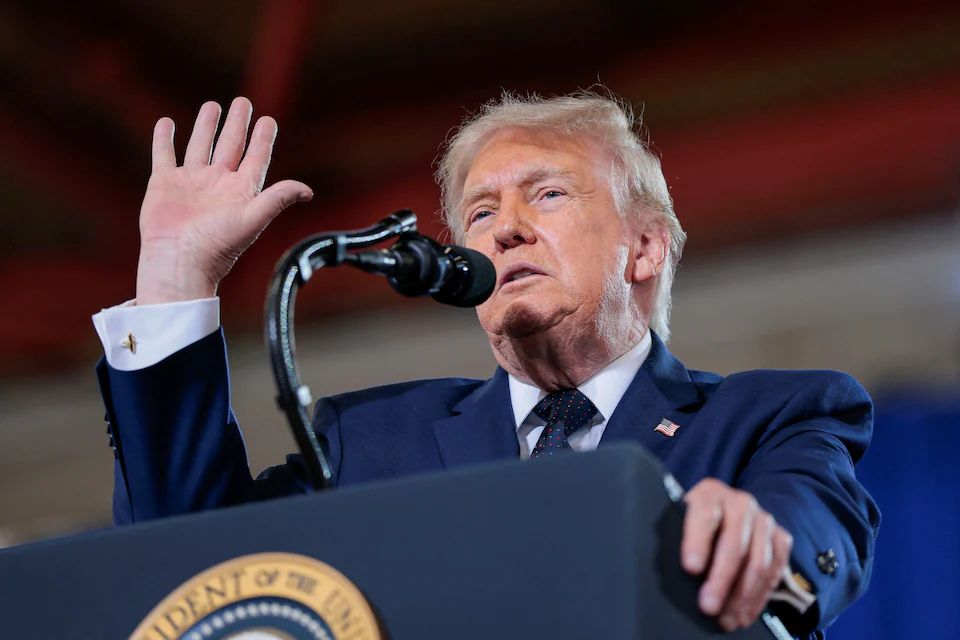
President Donald Trump also insisted that any agreement emerging from the Iran deal negotiations must meet American expectations.
“There will either be a great and meaningful deal, or there will be no deal at all,” Trump said in a Truth Social post.
Trump also called on countries including Saudi Arabia, Qatar, Turkey, Egypt, Jordan, and Pakistan to join the Abraham Accords as part of a broader regional framework connected to the negotiations.
However, the proposal faced immediate skepticism from analysts and former US officials.
Barbara Leaf, a former US assistant secretary for Near Eastern affairs, dismissed the likelihood of such a regional alignment.
“You are not going to get Turkey, Qatar and Saudi Arabia to do that,” she said. “Absolutely not.”
She added that Trump’s proposal had reportedly been met with “stunned silence” during conversations with regional leaders.
Israel raises alarm over emerging framework
The Iran deal negotiations have also intensified concern inside Israel, where political figures fear the emerging framework could leave Tehran with substantial regional and nuclear influence.
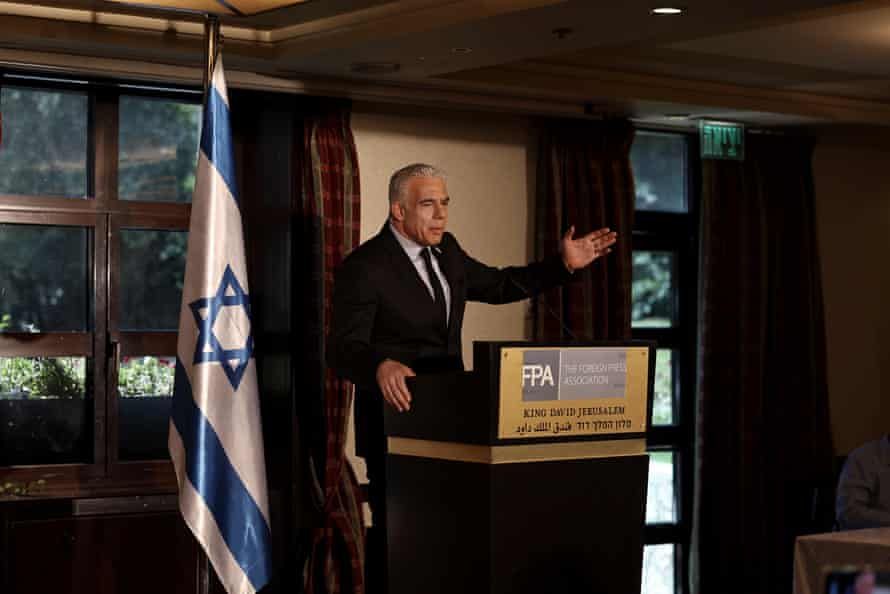
Israeli opposition leader Yair Lapid described the developing agreement as “disturbing” and warned it could damage regional stability.
Lapid argued that Israel’s influence over decision-making in Washington had weakened significantly during the negotiations.
“The Israeli government is at an all-time low in its ability to influence decisions in Washington,” he said.
Iranian officials meanwhile accused Israel of deliberately attempting to undermine the diplomatic process.
Baghaei said: “Nothing else should be expected from the Israelis.”
The exchange highlights widening regional disagreements over how tensions involving Iran should be resolved.
Domestic politics complicate Middle East negotiations
The Iran deal negotiations are increasingly being shaped by domestic political pressure in both countries.
In Washington, Trump has faced criticism from Republican lawmakers who argue the administration risks offering excessive concessions to Tehran, particularly regarding frozen Iranian assets held overseas.
Reports indicate Iran is demanding access to approximately $12 billion in frozen funds currently held in Qatar.
The issue carries political sensitivity because Trump previously criticized the Obama administration over financial arrangements connected to the 2015 nuclear agreement.
Iranian officials argue that growing political opposition inside the United States is affecting diplomatic consistency.
Baghaei pointed directly to divisions within Washington.
“You are faced with a wave of dismissals, contradictory statements, opposition from Congress and also opposition from parts of public opinion,” he said.
Trump dismissed criticism surrounding the talks, saying he would not “listen to losers who are critical of something they know nothing about.”
Economic uncertainty keeps markets on edge
Global markets continue monitoring the Iran deal negotiations closely because of fears surrounding oil supply disruptions and instability across the Middle East.
Energy analysts warn that continued uncertainty involving the Strait of Hormuz could keep affecting shipping costs, fuel prices, and inflation worldwide.
At the same time, economists believe even limited diplomatic progress could significantly calm international energy markets.
One Gulf-based analyst explained: “Markets are reacting not only to the possibility of conflict, but also to prolonged uncertainty.”
Another strategist said: “Any credible diplomatic framework would immediately reduce anxiety around global oil supply risks.”
Internet restrictions and pressure inside Iran
Reports also suggest Iranian authorities may reconnect the country to the international internet within days following approval from the supreme national security council.
Iran tightened internet restrictions during the conflict amid concerns over unrest and political instability.
Officials are reportedly worried about public anger linked to rising inflation and worsening economic conditions once internet access expands again.
Human rights organizations have meanwhile continued raising concerns over executions and crackdowns inside Iran during the conflict period.
Read also: Hastings beach medical emergency: Man dies during UK heatwave on hottest day of the year
The latest phase of the Iran deal negotiations has revealed both signs of diplomatic progress and deep unresolved tensions surrounding nuclear policy, sanctions relief, regional security, and Strait of Hormuz tensions.
While Tehran insists that no agreement is imminent, Washington continues pushing for a framework capable of reducing conflict and reopening broader diplomatic engagement.
With Israel voicing concern, Gulf states monitoring developments closely, and global markets reacting to every statement, the negotiations are becoming one of the most consequential geopolitical stories of the year.
For now, both sides remain caught between diplomacy and escalation as the Middle East waits to see whether fragile negotiations can survive mounting political pressure.
About The Author