

The Trump Iran war resignation has triggered a major political storm in Washington, as Donald Trump faces growing criticism following the sudden exit of a top counterterrorism official over the ongoing conflict with Iran.
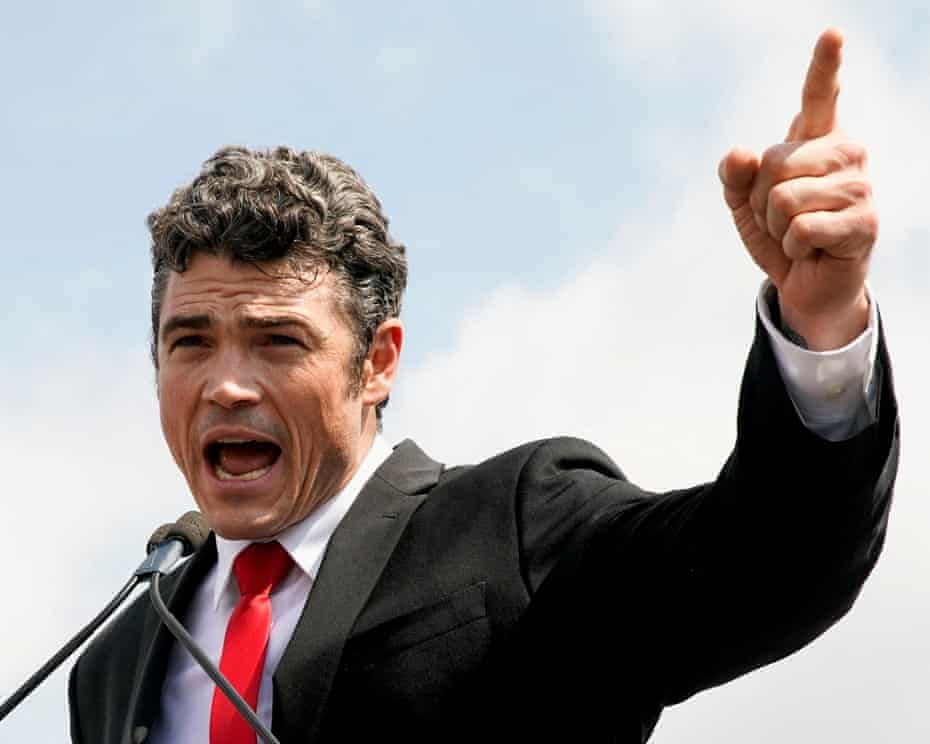
The resignation of Joe Kent, director of the National Counterterrorism Center, has intensified scrutiny of the administration’s justification for the war. Kent publicly declared he could not support military action, stating Iran posed no imminent threat to the United States.
His departure has emboldened critics within Congress, particularly Ro Khanna, who is demanding that Kent testify before lawmakers. Khanna argued that Americans deserve transparency about how and why the US entered the conflict.
The Trump Iran war resignation controversy has also drawn strong reactions from senior Democrats, including Patty Murray, who described the resignation as confirmation that the war lacked proper justification. Her remarks reflect broader concerns about intelligence assessments.
Kent’s claims that pressure from Israel influenced the decision to go to war have further complicated the geopolitical narrative. His comments suggest internal disagreements within the administration about foreign policy priorities and alliances.
The unfolding crisis highlights deep divisions within Washington over the conduct of the war. Critics argue that the administration acted prematurely, while supporters insist the action was necessary to counter perceived regional threats.
Adding to the controversy, reports indicate that diplomatic efforts may have been closer to success than previously acknowledged. Jonathan Powell reportedly believed that negotiations between the US and Iran were making meaningful progress.
According to sources, discussions in Geneva had reached a stage where a potential agreement on Iran’s nuclear programme appeared within reach. This raises questions about why military action was pursued instead of continued diplomacy.
The Trump Iran war resignation issue is therefore not only about one official’s departure but also about missed diplomatic opportunities. Critics argue that abandoning negotiations may have escalated tensions unnecessarily.
Meanwhile, the administration is facing scrutiny over intelligence used to justify certain claims during the conflict. Reports suggest early assessments linking Iran to a deadly school strike were quickly disputed within intelligence circles.
Despite this, Donald Trump publicly attributed responsibility to Iran, a move that has since drawn criticism for relying on unverified or incomplete information. This has fueled concerns about decision-making processes at the highest levels.
The credibility of intelligence has become a central issue in the broader debate. Lawmakers are now questioning whether accurate and balanced information was presented before key military decisions were made.
Beyond foreign policy, domestic political tensions are also rising. The Justice Department, led by Pam Bondi, is facing a subpoena related to its handling of documents connected to Jeffrey Epstein.
This separate controversy has added to the administration’s challenges, creating a complex political environment in which multiple investigations and policy debates are unfolding simultaneously.
In another significant development, the administration announced plans to reduce the fee for renouncing US citizenship. The cost will drop sharply, fulfilling a long-standing campaign promise but raising questions about potential financial implications.
The move is seen by some analysts as an attempt to address public dissatisfaction with government fees, while others interpret it as part of a broader effort to reshape immigration and citizenship policies.
At the legislative level, the Senate has begun debating a controversial voting bill backed by the administration. The measure, known as the Save America Act, aims to tighten voter eligibility requirements.
Supporters argue that the bill will strengthen election integrity, while opponents warn that it could restrict access to voting and disproportionately affect certain groups. The debate underscores ongoing divisions over electoral reforms.
The Trump Iran war resignation controversy is unfolding alongside these domestic policy battles, creating a highly charged political climate. Observers note that the convergence of foreign and domestic issues is intensifying pressure on the administration.
Economic factors are also playing a role in shaping public perception. Oil and gas prices have risen following attacks linked to the broader conflict, adding to concerns about the war’s global impact.
Energy markets have responded quickly to instability in the region, with disruptions affecting supply chains and increasing costs for consumers. This has made the conflict not only a security issue but also an economic one.
In California, a controversial pipeline project has resumed operations after more than a decade. The decision, supported by the administration, has drawn criticism from state officials concerned about environmental risks.
This development reflects the administration’s broader approach to energy policy, prioritizing production and infrastructure despite opposition from local authorities and environmental groups.
Meanwhile, tensions have escalated further with statements suggesting potential expansion of US influence in other regions. Remarks about taking control of Cuba have raised alarm among international observers.
Such rhetoric has contributed to fears that the current conflict could lead to broader geopolitical instability. Analysts warn that aggressive language may complicate diplomatic relations and increase global tensions.
Within the judiciary, concerns have also been raised about the tone of political discourse. John Roberts recently criticized personal attacks on judges, describing them as dangerous.
His comments come amid increasing criticism of court decisions by political figures, highlighting the strain on institutional norms and the rule of law.
The Trump Iran war resignation episode is therefore part of a wider pattern of challenges facing the administration.
From foreign policy disputes to domestic controversies, multiple issues are converging at a critical moment.
Political analysts suggest that the resignation could have lasting implications. It may influence public opinion, shape congressional oversight, and affect the administration’s ability to advance its agenda.
The demand for transparency is likely to intensify in the coming weeks. Lawmakers are expected to push for hearings and investigations to clarify the circumstances surrounding the decision to go to war.
At the same time, international partners are closely watching developments. The handling of the conflict could impact alliances and the US’s standing on the global stage.
Read also: Ukraine missile shortage warning as Middle East war strains supply
For now, the resignation of Joe Kent stands as a significant moment in the unfolding crisis. It has brought internal disagreements into the open and raised fundamental questions about strategy and accountability.
As debates continue, the administration faces the challenge of addressing both domestic and international concerns. The outcome of these discussions will shape the trajectory of US policy in the months ahead.
The Trump Iran war resignation story is far from over. With political pressure mounting and new information emerging, it is likely to remain a central issue in Washington’s evolving political landscape.
About The Author
