Iran war– In a shocking resignation letter, Joseph Kent, the Director of the National Counterterrorism Center, revealed that the United States initiated its war in Iran under the influence of Israeli pressure.
Kent stated that Iran posed no imminent threat to the US and that the conflict was largely manufactured by outside lobbying.
This unprecedented disclosure has reignited debate about the true motivations behind Washington’s military actions and the influence of foreign powers on American policy.
According to Kent, Israeli officials and allied American media campaigns created a pro-war echo chamber designed to deceive US leadership and push the country into a costly conflict that could otherwise have been avoided.
Kent, a veteran who deployed to combat zones 11 times and a Gold Star husband, detailed how personal and national experience shaped his decision to resign.
He emphasized that the United States must not repeat the mistakes of the past, citing the Iraq war as a historical example of being drawn into a war based on misinformation.
His letter outlined that the war in Iran is not only unjustified but also strategically unsound, warning that the country risks further decline and chaos if it continues down this path.
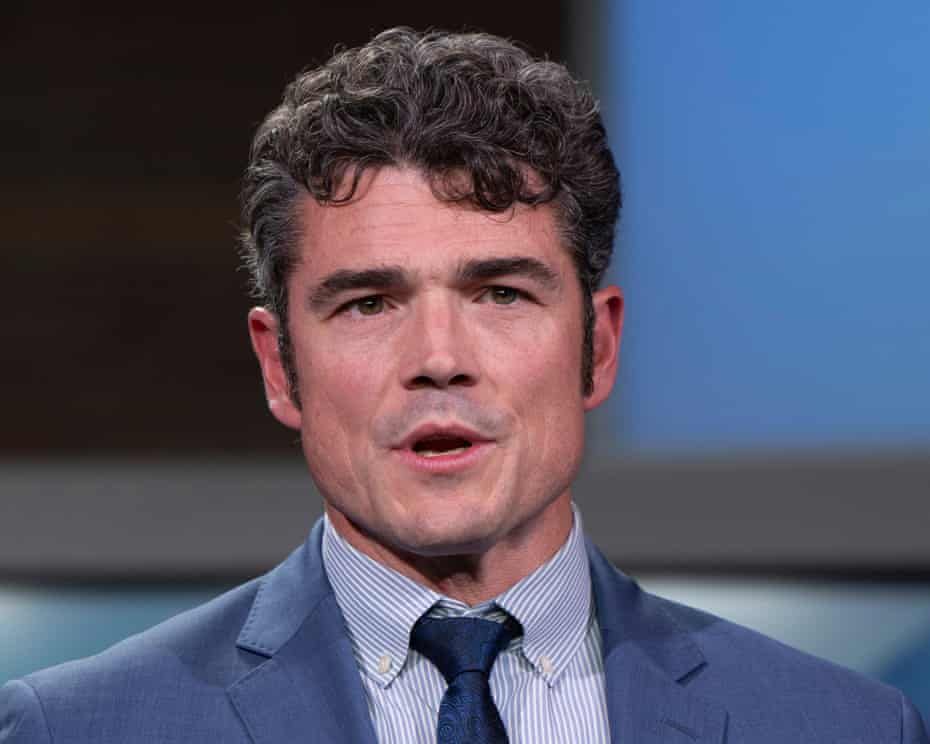
The resignation letter criticized high-ranking Israeli officials and influential American media for deploying misinformation campaigns that undermined President Donald Trump’s America First policies.
Kent described how these efforts distorted intelligence assessments and misled US decision-makers into believing Iran posed an immediate threat requiring military intervention.
This, he argued, mirrors the strategies that led the US into the disastrous Iraq war, resulting in thousands of American deaths and widespread regional instability.
According to Kent, the administration’s previous foreign policy successes, including the killing of Qasem Soleimani and the defeat of ISIS, demonstrate that the US is capable of applying decisive military power without being drawn into endless wars.
He argued that early in this administration, those lessons were ignored due to lobbying pressure, misinformation, and political manipulation. Kent’s letter called for reflection and bold action, urging a reversal of course to prevent unnecessary bloodshed and strategic decline.
This disclosure has sparked outrage among lawmakers and commentators, with many questioning whether American policy decisions are unduly influenced by foreign interests.
Analysts suggest that Kent’s resignation could embolden other officials to speak out against what they see as manipulation and misdirection within US foreign policy. It also raises concerns about the role of lobbying and media influence in shaping decisions that carry life-and-death consequences for American service members.
While some politicians have defended the administration’s actions in Iran, citing strategic interests and regional security concerns, Kent’s letter challenges the narrative that the war is necessary for US defense.
He argues that the primary beneficiaries of the conflict are foreign powers seeking to advance their agendas, while American lives and resources are being sacrificed. The resignation has thus fueled a broader discussion about the accountability of leadership and the need for transparent decision-making in matters of war.
Experts note that the implications of Kent’s resignation extend beyond US-Iran relations. The letter suggests a pattern where strategic decisions are influenced by foreign lobbying, which could undermine public trust in government institutions.
There is growing concern that repeated involvement in conflicts driven by external pressures could weaken the US’s international credibility, strain alliances, and erode domestic confidence in military and political leadership.
Veterans’ groups and military families have reacted strongly to Kent’s revelation, with many echoing his warnings about sending the next generation into avoidable conflicts. They highlight the human cost of war, emphasizing that repeated interventions without clear justification lead to long-term consequences for service members, their families, and the nation.
Kent’s personal connection as a Gold Star husband strengthens the moral weight of his resignation, showing how deeply the decision resonates on both professional and personal levels.
The resignation also calls into question the administration’s strategic planning and intelligence assessments. If foreign lobbying and media influence were able to shape the narrative that led to war, it suggests systemic vulnerabilities in the US decision-making process.
Kent’s letter urges leadership to consider alternative approaches to conflict resolution, diplomacy, and intelligence evaluation to ensure that future military engagements are grounded in factual analysis rather than political pressure.
As the war in Iran continues, the US faces mounting criticism from international observers and allies who are increasingly concerned about the legitimacy of its actions.
Kent’s resignation may serve as a turning point, forcing policymakers to reassess their approach and the underlying motivations that have driven military engagement.
His warning is clear: without a course correction, the United States risks repeating past mistakes and entangling itself in protracted conflicts that serve foreign rather than national interests.
Kent concludes his letter with a personal appeal to the President, urging a reevaluation of the US stance on Iran. He emphasizes that bold action is possible, but only if leaders are willing to confront the truth about who benefits from war. “You hold the cards,” he wrote, calling for a choice between strategic withdrawal and continued descent into unnecessary conflict.
Read also: Trump China visit delay: Iran war forces diplomatic rethink
His words resonate not only as a critique of policy but also as a moral plea for the lives of American service members and the preservation of national integrity.
The resignation of Joseph Kent is likely to be remembered as a defining moment in modern American foreign policy, highlighting the tension between national interests and external influence.
Scholars, journalists, and policymakers will dissect his claims, debating the extent to which foreign lobbying has shaped US military actions and what reforms are necessary to prevent future manipulation.
The letter stands as both a warning and a call to action, emphasizing the need for accountability, transparency, and courage in leadership decisions that carry global ramifications.
About The Author