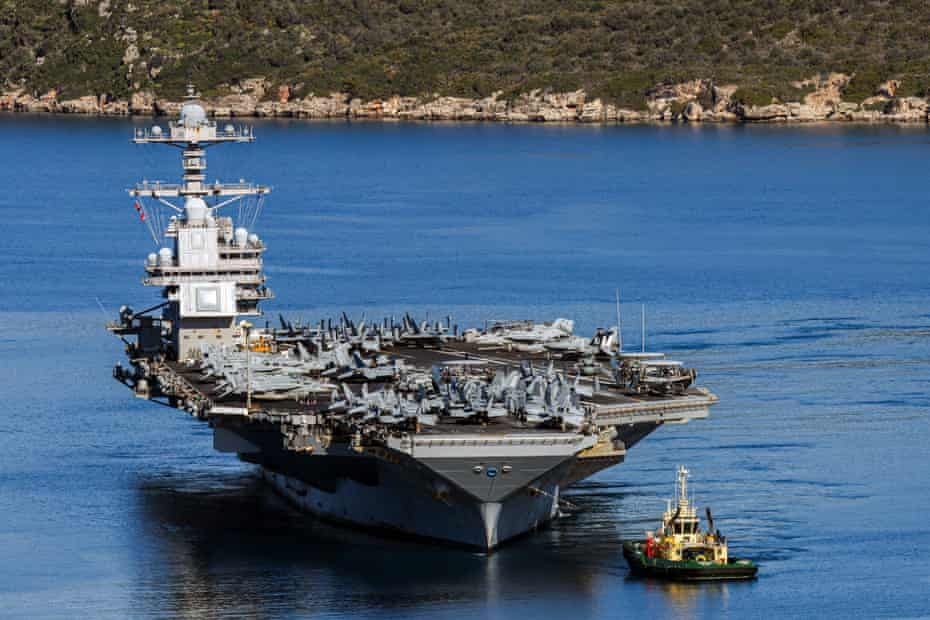
The USS Gerald R Ford fire has exposed fresh concerns about the operational strain on the USS Gerald R. Ford as the world’s largest aircraft carrier prepares to sail to Crete for repairs following a damaging onboard incident during its extended deployment supporting the war on Iran.
The fire, which broke out in the ship’s main laundry area, reportedly injured dozens of sailors and destroyed around 100 sleeping berths, adding to a growing list of technical and morale challenges facing the vessel.
The carrier, which has been at sea for nearly nine months, has been a central part of US military operations in the Red Sea and surrounding regions, conducting airstrikes and supporting broader strategic objectives.
According to officials who spoke anonymously, nearly 200 crew members were treated for smoke inhalation after the blaze, while at least one sailor had to be evacuated for further medical care.
Despite the scale of the incident, initial assessments indicated that critical systems, including propulsion, were not damaged, allowing the ship to remain operational in the immediate aftermath.
However, the USS Gerald R Ford fire is only the latest issue to affect the $13bn warship. Reports of persistent mechanical problems, particularly with the ship’s sanitation systems, have compounded the strain on its more than 4,000 crew members.
Long-standing issues with clogged toilets have reportedly led to frequent maintenance interventions, including costly acid flushes, highlighting design and operational challenges that have followed the carrier since its early years.
A 2020 report by the US Government Accountability Office had already flagged the ship’s toilet systems as prone to “unexpected and frequent clogging,” a problem that has persisted during deployment. Crew members have reportedly had to endure long queues and reduced access to facilities, further affecting daily life onboard.
The extended deployment has also raised serious concerns about crew morale. Being at sea for such a prolonged period, combined with the intensity of combat operations and repeated technical setbacks, appears to have taken a toll.
Critics argue that the situation reflects broader issues in operational planning and resource allocation.
Among the most vocal critics is Mark Warner, vice-chair of the Senate Intelligence Committee, who condemned the prolonged mission. He stated that the crew had been “pushed to the brink” and blamed the situation on decisions made under Donald Trump, whose administration has overseen the current military campaign against Iran.
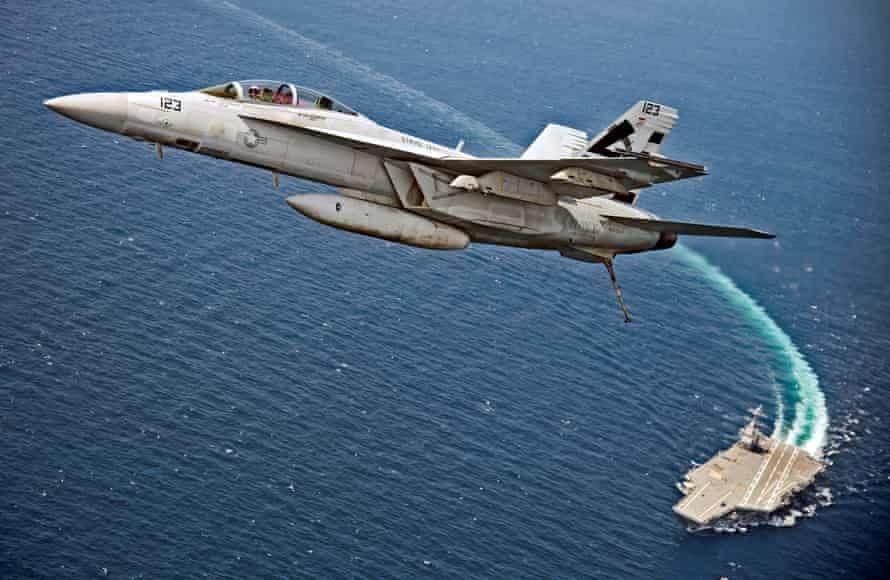
The USS Gerald R Ford fire comes at a critical time for US military operations in the region. The carrier has been a key platform for launching airstrikes, with its fleet of more than 75 aircraft, including advanced fighter jets, playing a significant role in targeting Iranian positions. Since late February, US forces have reportedly struck thousands of targets as part of the ongoing campaign.
Before its deployment to the Middle East, the USS Gerald R. Ford had already been active in operations in the Caribbean, including missions linked to counter-narcotics efforts and actions involving Nicolás Maduro.
This extensive operational history has contributed to the wear and tear now becoming evident.
The decision to send the carrier to Crete for repairs underscores the seriousness of the situation. While officials have not confirmed how long the vessel will remain out of action, its temporary withdrawal could create a gap in US naval capabilities in a strategically sensitive region.
To mitigate this, the US Navy is reportedly preparing to deploy another aircraft carrier, the USS George H.W. Bush, to replace the Ford and maintain operational continuity. This move would ensure that airstrike capacity and regional deterrence remain intact despite the disruption.
Nevertheless, the USS Gerald R Ford fire has reignited debate over the sustainability of long deployments and the readiness of even the most advanced military platforms under continuous strain.
Modern aircraft carriers are designed to project power globally, but the demands of extended missions, especially in high-intensity conflict zones, can expose vulnerabilities.
Supporters of the Navy’s handling of the situation argue that such challenges are inevitable in complex operations and emphasize the professionalism and resilience of the crew.
In official statements, the Navy has highlighted the dedication of sailors and noted that maintenance demands have decreased over time, suggesting that systems are stabilizing despite ongoing issues.
Critics, however, see the situation differently. They argue that the combination of technical failures, crew fatigue, and operational pressure points to deeper systemic problems that need addressing.
For them, the USS Gerald R Ford fire is not an isolated incident but part of a pattern that raises questions about long-term readiness and sustainability.
The incident also has symbolic significance. As the lead ship of its class and a flagship of US naval innovation, the USS Gerald R. Ford represents the cutting edge of military technology. Problems affecting such a vessel inevitably attract attention and scrutiny, both domestically and internationally.
For the sailors onboard, however, the situation is less about symbolism and more about daily realities. Living conditions, workload, and safety concerns all play a role in shaping morale.
Incidents like the fire can heighten anxiety and disrupt routines, particularly when they occur in already challenging environments.
As the carrier heads to Crete for repairs, attention will likely focus on how quickly it can return to full operational status and what measures will be taken to address the underlying issues.
The Navy may also face pressure to review deployment lengths and support systems for crews operating in prolonged conflict scenarios.
The broader geopolitical context adds another layer of complexity. With tensions in the Middle East remaining high, maintaining a strong and reliable military presence is a priority for the United States.
Any disruption to key assets like the USS Gerald R. Ford could have strategic implications, even if temporary.
Ultimately, the USS Gerald R Ford fire serves as a reminder that even the most advanced military systems are not immune to challenges.
As operations continue and repairs begin, the focus will be on ensuring that both the vessel and its crew are ready to meet the demands of an increasingly volatile global landscape.
Read also: Iran Intelligence Minister killed in escalating Israel-Iran conflict
About The Author