The “War on Iran has not delayed shipments to Taiwan,” US officials told Congress, emphasizing continuity in military commitments despite escalating Middle East operations and increasing global defense demands.
Speaking during a congressional hearing, Stanley Brown confirmed firmly, “Have we delayed moving things to Taiwan? We haven’t,” dismissing concerns about supply disruptions affecting the island’s defense readiness.
The reassurance comes as the Donald Trump administration balances simultaneous geopolitical pressures, including sustained airstrikes involving Iran and strategic commitments in the Indo-Pacific region.
Military planners had feared that the ongoing campaign could strain production lines, potentially forcing delays in fulfilling arms agreements with Taiwan amid rising threats from China.
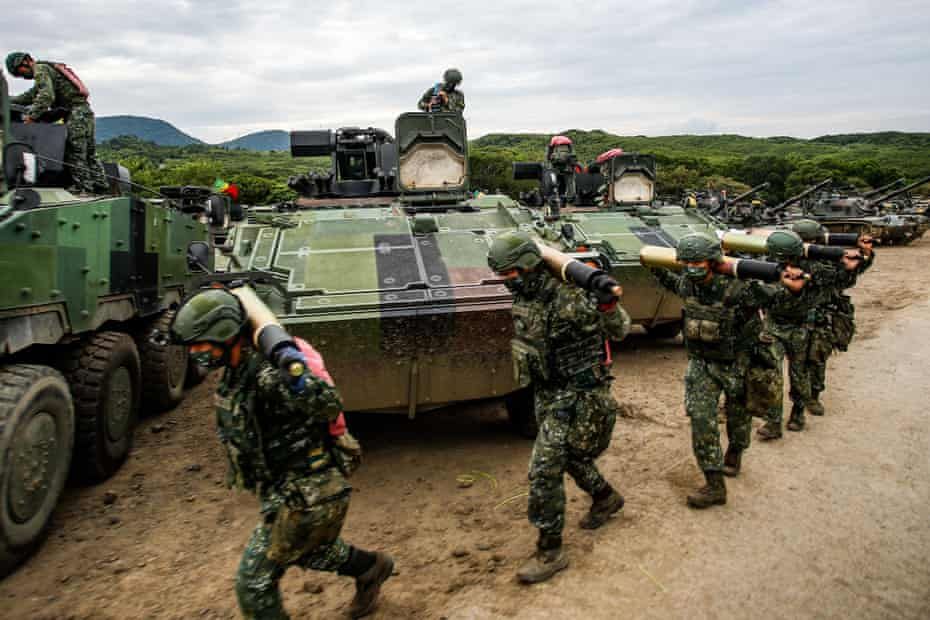
However, officials reiterated that Taiwan remains a top priority, reflecting long-standing US policy to support the island’s self-defense capabilities against mounting military pressure and regional uncertainty.
According to defense officials, pre-existing backlogs in weapons deliveries had already posed challenges, but new efforts are underway to accelerate shipments without compromising broader operational readiness or commitments elsewhere.
At the same hearing, Michael Miller highlighted a standing directive ensuring Taiwan receives priority over other buyers competing for similar military hardware.
“That remains standing guidance,” he said, underscoring that even in competitive scenarios, such as missile allocations, Taiwan would continue to receive preferential treatment under US policy frameworks.
The policy reflects Washington’s broader strategy of deterrence in the Indo-Pacific, where tensions have intensified due to increasing military maneuvers and political friction involving Beijing and Taipei.
Despite the strain of the Iran conflict, US officials insist their defense infrastructure is capable of sustaining multiple commitments simultaneously, signaling resilience in both production capacity and geopolitical strategy.
The continued prioritization of Taiwan also sends a clear message to allies and adversaries alike that US commitments in Asia remain firm, even amid complex and overlapping global conflicts.
As geopolitical tensions evolve, the assurance that the “War on Iran has not delayed shipments to Taiwan” highlights Washington’s intent to maintain strategic balance without compromising critical alliances or defense obligations.
Read also:US-Israel war on Iran triggers shock resignation of top US counter-terrorism chief
About The Author