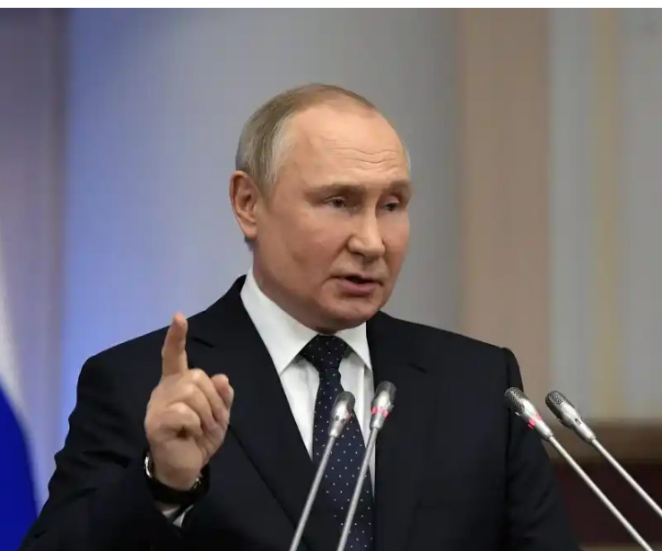
Iran won’t surrender to Israel US remains the defiant message from Tehran as President Masoud Pezeshkian vows resistance during a tense moment in the expanding Middle East war today globally.
Iran won’t surrender to Israel US became a rallying cry as Pezeshkian addressed citizens on state television promising resilience while regional tensions rise after devastating strikes killed Ayatollah Ali Khamenei.
The president declared Iran would never accept “unconditional surrender” demanded by its adversaries insisting national dignity required unity determination and patience while missiles and drones continue shaping the widening confrontation.
Speaking firmly Pezeshkian warned that enemies expecting Iranian capitulation should “take that wish to their graves” a phrase repeated widely across Iranian broadcasts and social platforms throughout the tense morning.
The remarks followed deadly military strikes launched on February twenty eight by Israel and the United States targeting strategic sites across Iran and killing long-time supreme leader Ayatollah Ali Khamenei.
Those attacks dramatically escalated the Iran Israel US war transforming a shadow confrontation into an open regional crisis involving missiles drones cyber operations and growing diplomatic pressure across the Middle.

In the days following Khamenei’s death Iran launched retaliatory strikes targeting Israeli positions and United States interests scattered across Gulf countries intensifying fears of wider escalation and prolonged instability regionally.
Missile interceptions over Saudi Arabia Jordan and drone alerts in Qatar illustrated how quickly the conflict spread beyond original battlelines drawing neighboring states into dangerous proximity with the confrontation unfolding.
Despite the retaliation Pezeshkian attempted a conciliatory tone toward regional governments acknowledging the anxiety created by Iranian strikes and stressing they were responses to aggression rather than deliberate hostility abroad.
“I must apologise on my own behalf and on behalf of Iran to neighbouring countries that were attacked by Iran” Pezeshkian said during the broadcast speech stressing regret caution ahead.
His statement reflected concern among regional leaders that miscalculation could pull multiple nations directly into the Iran Israel US war threatening shipping routes energy markets aviation corridors and civilian safety.
Energy analysts warn the confrontation could disrupt oil flows through the Gulf if missile exchanges intensify or strategic infrastructure becomes collateral damage in the widening Middle East regional conflict ahead.
Iran’s leadership structure also changed dramatically after Khamenei’s killing prompting creation of an interim leadership council responsible for guiding political decisions military responses and diplomatic messaging during the crisis period.
Pezeshkian serves as one of three figures within the interim leadership council Iran tasked with maintaining governance stability and projecting authority while the country navigates war pressure uncertainty internally and.
During the televised Masoud Pezeshkian speech he emphasized national resilience describing Iran as a nation that historically resisted foreign domination and would continue standing firm against pressure threats sanctions.
He argued that demands for surrender ignore Iran’s long political memory shaped by revolution war sanctions and strategic rivalry with Western powers which leaders say require vigilance unity patience today.
Supporters of the government repeated his words across Iranian media praising the defiant message and calling it a symbol of national determination during the dangerous phase of the conflict unfolding.
Critics however quietly questioned whether continued escalation could deepen economic hardship already affecting Iranian families through inflation sanctions limited trade and pressure on currency markets nationwide today increasingly severe.
The Iran Israel US war has already rattled financial markets with investors monitoring oil prices shipping security and political signals from Washington Tehran and Tel Aviv for signs of escalation.
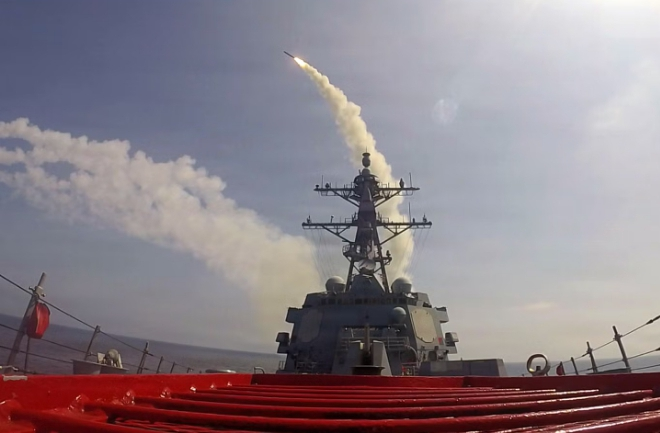
Diplomats meanwhile are attempting quiet mediation urging restraint while warning that further strikes could ignite broader confrontation involving militia groups naval forces and air power across several Middle Eastern fronts.
Regional governments worry their territory could become launch points or interception zones as missiles cross airspace forcing militaries to raise alert levels and coordinate defenses with partners urgently today.
Pezeshkian attempted to reassure neighbors by saying Iran would avoid attacking them again unless attacks on Iranian soil originated from their territories a message intended to calm tensions regionally.
“The interim leadership council agreed yesterday that no more attacks will be made on neighbouring countries” he explained while urging governments to prevent hostile operations launched from their territory again.
He added that no missiles would be fired unless an attack on Iran originated from those countries framing the policy as defensive restraint rather than strategic retreat from confrontation abroad.
Observers say the apology was unusual in tone reflecting awareness that Iran cannot afford to alienate neighboring states already nervous about airspace violations economic disruption and security threats rising daily.
Still Pezeshkian maintained that responsibility for escalation lies primarily with Israel and the United States whose February strikes he described as “reckless aggression” that shattered fragile regional stability overnight entirely.
The Masoud Pezeshkian speech also emphasized unity inside Iran urging political factions religious leaders and citizens to rally together during what he called a defining national test of resilience.
State broadcasters replayed the address repeatedly highlighting the phrase that Iran would never surrender while commentators framed the conflict as resistance against foreign pressure and strategic intimidation abroad today.
International reactions were cautious with several governments urging de-escalation and renewed diplomacy to prevent the Iran Israel US war from expanding into an uncontrollable regional security disaster for civilians everywhere.
Humanitarian organizations meanwhile warned that continued missile exchanges could threaten civilian populations infrastructure hospitals and power systems especially if strikes reach densely populated urban areas across multiple Middle Eastern cities.
For many Iranians the loss of Ayatollah Ali Khamenei created uncertainty about leadership continuity yet officials insist institutions remain strong enough to manage war pressures and political transition simultaneously today.
Analysts say the interim leadership council Iran arrangement aims to project stability until longer term decisions about authority succession and governance structure can be determined through internal political processes later.
Meanwhile military commanders continue coordinating defensive systems preparing for potential Israeli or American strikes while also overseeing retaliatory capabilities involving missiles drones and naval assets positioned across strategic areas regionally.
Security experts warn that misinterpretation of radar signals missile launches or drone flights could quickly escalate tensions demonstrating how fragile the current standoff remains between powerful adversaries armed heavily.
Despite uncertainty Pezeshkian projected confidence saying Iran would defend its sovereignty while also pursuing diplomacy wherever possible to prevent the Middle East regional conflict from spiraling beyond control globally today.
He insisted dialogue remains possible if adversaries abandon demands for surrender and respect Iran’s independence signaling Tehran still hopes political channels could reduce violence and restore stability gradually someday.
Read also: Iranian missiles intercepted over Saudi UAE as drones launched at Qatar
Whether those hopes materialize depends largely on decisions made in Washington Tel Aviv and Tehran as leaders calculate risks costs domestic politics and military outcomes within the volatile environment today.
For now the message broadcast from Tehran remains unmistakable echoing through official speeches headlines and diplomatic statements that Iran won’t surrender to Israel US despite pressure war threats abroad today.
That declaration continues shaping perceptions across the Middle East where governments businesses and civilians alike watch developments anxiously wondering whether the confrontation will cool through diplomacy or intensify further soon.
As the crisis enters another tense week Pezeshkian’s words underscore a hardened stance suggesting the Iran Israel US war may persist unless major diplomatic breakthroughs emerge to halt hostilities decisively.