The fragile Iran Israel ceasefire appeared to gain momentum on Monday after Iran announced a halt to military operations against Israel and US President Donald Trump claimed both sides were seeking an “immediate ceasefire.”
The development follows a dramatic escalation that saw Iran and Israel exchange direct attacks for the first time since the April ceasefire came into effect. Missile strikes, explosions and military warnings raised fears that the region was sliding back toward a wider conflict.
Despite the renewed violence, diplomatic efforts intensified throughout the day as international leaders called for restraint. Statements from Tehran, Jerusalem and Washington have fuelled hopes that a broader agreement could still be reached before the crisis spirals further out of control.
Iran announces halt to military operations against Israel
Iran’s armed forces announced what they described as the end of military operations against Israel while warning that any future attacks, particularly those involving Lebanon, could trigger a significantly stronger response.
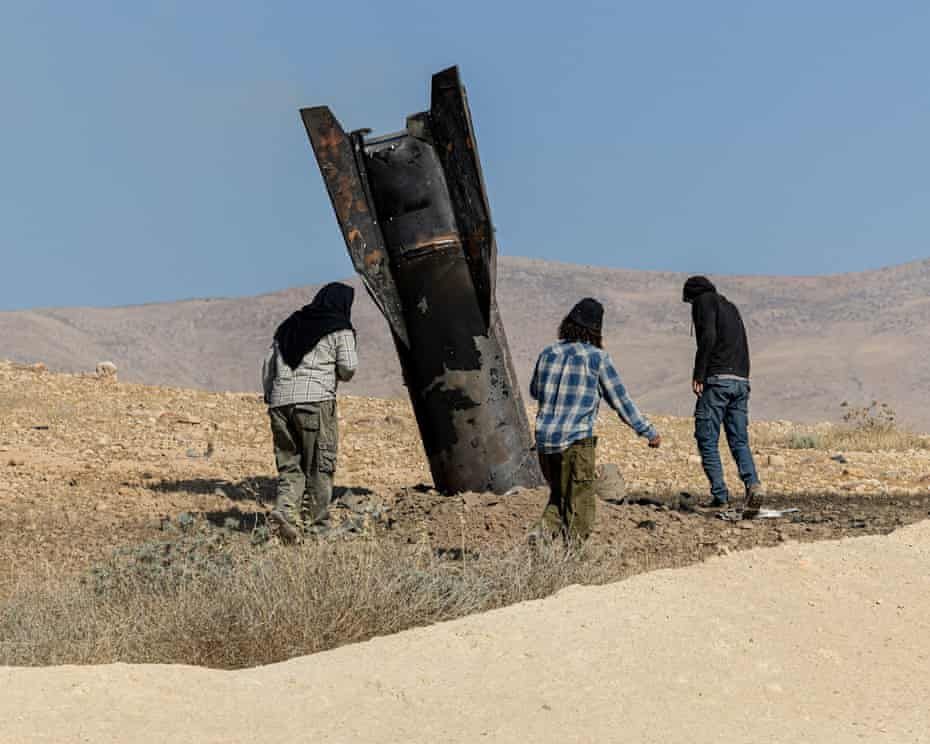
According to Iranian military officials, the operations were launched in response to Israeli strikes on Beirut’s southern suburbs, which Tehran viewed as a violation of previous ceasefire understandings.
In a statement carried by Iranian media, military leaders said:
“A halt to the operations of the armed forces is announced.”
However, the statement also warned that if attacks continue, including in southern Lebanon, “much more severe and crushing measures” would follow.
The announcement marked the clearest indication yet that Tehran may be willing to step back from direct confrontation if reciprocal restraint is shown.
Trump claims immediate ceasefire is within reach
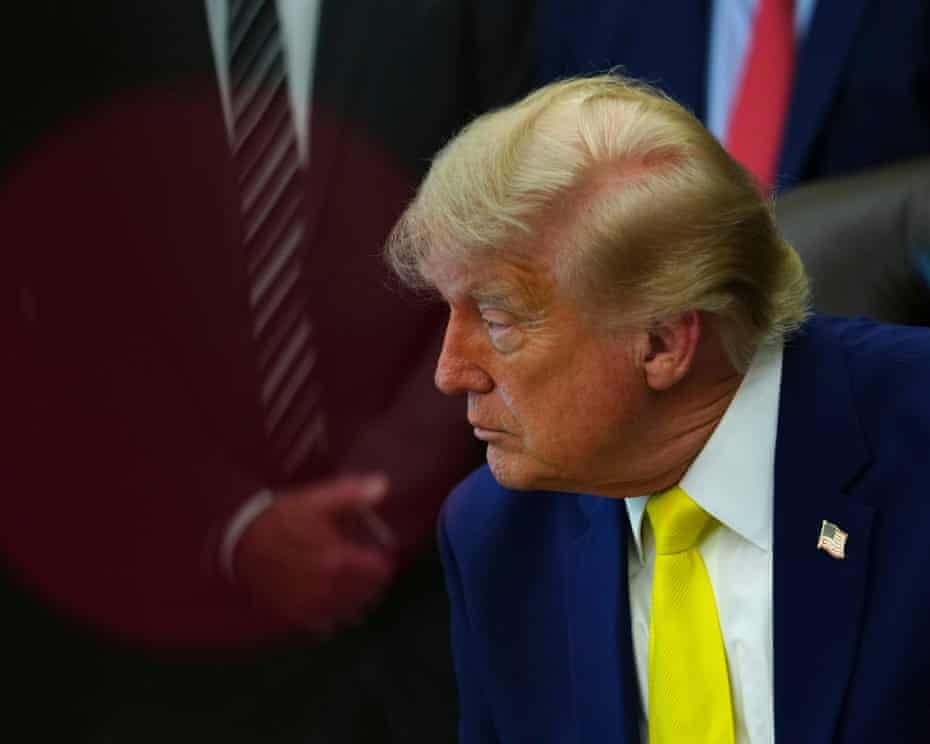
As fighting intensified, Trump publicly urged both countries to stop military action immediately.
The US president declared that Israel and Iran were:
“Looking to do an immediate ceasefire.”
Trump further claimed that “final negotiations on peace” were underway, although he did not provide details regarding the talks or the parties involved.
Earlier, he had issued a direct appeal for both sides to stop “shooting” after the latest exchange of attacks threatened to derail diplomatic efforts.
The White House has remained heavily involved in attempts to prevent the conflict from expanding across the region amid concerns over security, trade routes and global energy markets.
Israel reportedly pauses strikes after US pressure
Reports emerging during the day suggested that Israeli military operations against Iran had been paused following pressure from Washington.
Israeli media reported that Prime Minister Benjamin Netanyahu instructed the military to halt preparations for additional strikes on Iran.
Another report indicated that Israeli attacks were being suspended at Trump’s request.
The development would represent a significant shift after Israeli officials had earlier signalled that several more days of fighting could be expected.
Nevertheless, Israeli officials maintained that any attack by Hezbollah against Israeli communities could prompt renewed military action, particularly in southern Lebanon.
Fresh tensions remain despite ceasefire signals
Although both sides signalled a possible de-escalation, tensions remained extremely high throughout the day. Iran launched missile attacks targeting Israel, while Israeli forces carried out strikes in central and western Iran. Explosions were reported in Tehran, and warning sirens sounded across parts of northern Israel as residents braced for further attacks.
Military officials on both sides remained on high alert despite growing diplomatic efforts aimed at restoring calm. The exchange of attacks underscored how fragile the situation remains and highlighted the risk that even a minor incident could trigger another round of escalation.
Iran’s Islamic Revolutionary Guard Corps said it targeted a petrochemical facility in Haifa in retaliation for Israeli strikes against energy infrastructure in Iran.
Meanwhile, Yemen’s Houthi movement announced attacks against Israel and threatened Israeli-linked shipping in the Red Sea, adding another layer of complexity to the crisis.
These developments highlighted how quickly the conflict could expand beyond the immediate Israel-Iran confrontation.
Lebanon remains a major flashpoint
One of the biggest obstacles to an Iran Israel ceasefire remains the situation in Lebanon.
Iran repeatedly linked its military actions to Israeli operations in Lebanon, particularly strikes in Beirut’s southern suburbs.
Israeli officials accused Hezbollah of launching attacks against northern Israel, while Hezbollah claimed it was responding to repeated Israeli violations of ceasefire arrangements.
A senior Hezbollah official also pushed back against Trump’s claims of direct communication with the group.
Mahmud Qomati stated:
“There has been no direct contact between President Trump and Hezbollah officials.”
The disagreement highlighted the complicated diplomatic landscape surrounding the conflict.
Netanyahu faces pressure at home and abroad
Netanyahu now finds himself under competing pressures.
Domestically, political and security figures are calling for continued military action against Hezbollah and Iranian-backed groups.
Internationally, however, the United States is urging restraint, fearing that continued attacks could derail ongoing peace efforts.
The Israeli leader is expected to convene a full security cabinet meeting as officials assess the latest developments and determine whether military operations should remain suspended.
The outcome of those discussions could prove crucial in determining whether the current ceasefire momentum survives.
International leaders call for restraint
Several world leaders urged all parties to avoid further escalation.
Pakistan Prime Minister Shehbaz Sharif appealed for diplomacy, warning that the recent violence demonstrated the dangers of a fragile ceasefire.
He said:
“We sincerely urge all sides to exercise restraint and give peace a little more chance.”
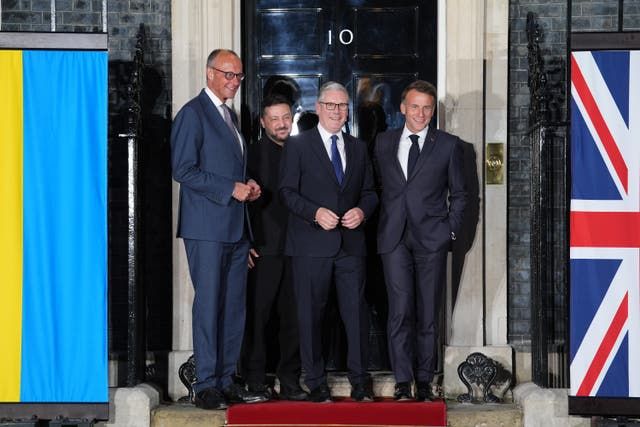
UK Prime Minister Keir Starmer also called for an immediate return to ceasefire conditions.
Starmer said:
“I am deeply concerned about the resumption of violence.”
He added:
“It is really important that all parties get back to a ceasefire.”
The statements reflected growing international concern that the conflict could destabilise the wider Middle East if left unchecked.
What happens next?
Despite encouraging signs, significant uncertainties remain.
One major question is whether Iran’s suspension of military operations will hold. Tehran has repeatedly stated that its decision depends on Israel ending attacks, particularly those involving Lebanon. Any renewed strike could quickly reverse the current momentum toward de-escalation.
Another uncertainty is whether Israel will maintain its apparent pause in military operations. Israeli leaders have not publicly committed to a long-term halt and continue to warn that attacks from Hezbollah or other groups could trigger a military response.
Diplomatic efforts also face an important test. Trump’s assertion that final peace negotiations are underway has generated optimism, but the claim has not been independently confirmed by all parties involved. As a result, observers remain cautious about predicting a lasting breakthrough.
The coming days are likely to determine whether the current pause evolves into a durable agreement or proves to be only a temporary break in hostilities.
Read also: UK under-16s social media ban: Starmer set to unveil major online safety crackdown
The latest developments have offered cautious hope for an Iran Israel ceasefire after one of the most dangerous escalations in the region in recent months. Iran’s announcement that it is ending military operations, combined with reports that Israel has paused further strikes, suggests that diplomatic pressure may be beginning to produce results.
However, ongoing tensions involving Lebanon, Hezbollah and regional allies continue to threaten the fragile calm. While Trump’s assertion that both sides are seeking an immediate ceasefire has raised expectations, the durability of any agreement will depend on actions taken on the ground in the days ahead. For now, the Middle East remains on edge, balancing between renewed conflict and a possible path toward de-escalation.
About The Author