

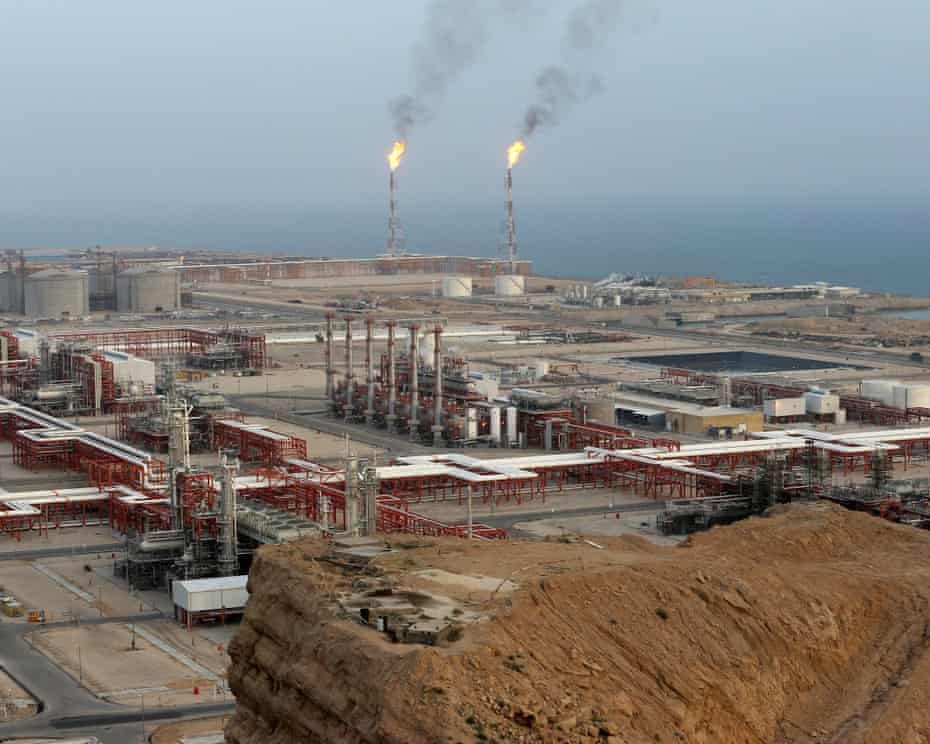
Israel strikes South Pars petrochemical plant in a major escalation of conflict with Iran, targeting critical infrastructure tied to global energy supply and regional stability concerns.
The strike was confirmed by Israel Katz, who described the operation as a powerful attack on Iran’s largest petrochemical facility, responsible for nearly half of national petrochemical production capacity.
Israeli military spokesperson Nadav Shoshani warned that no part of Iran would be immune from future strikes, signaling an aggressive shift as diplomatic negotiations continue to stall.
Reports from Fars News Agency indicated multiple explosions at the South Pars facility located in Asaluyeh, confirming the scale and precision of the Israeli military operation.
The South Pars field, shared with Qatar, is the largest natural gas reserve globally, making the attack a significant threat to international energy markets and supply chains stability.
Israel strikes South Pars petrochemical plant just weeks after a similar attack in March drew international condemnation, raising concerns about a pattern of repeated strikes targeting vital Iranian energy infrastructure.
The latest developments cast serious doubt on ongoing diplomatic efforts between the United States and Iran, aimed at reaching a ceasefire agreement to de-escalate growing hostilities in the region.
The White House has not issued an immediate response, though previous warnings from Donald Trump highlighted potential consequences of continued escalation involving regional energy facilities.
Trump had earlier cautioned that further Iranian actions against Gulf infrastructure could provoke a massive response, increasing fears that the conflict could expand beyond bilateral confrontation into wider regional instability.
Meanwhile, heavy bombardment was reported across Tehran, with explosions echoing throughout the city and low-flying aircraft intensifying the sense of crisis among residents overnight.
Thick smoke was seen rising near Azadi Square following an airstrike close to Sharif University of Technology, highlighting the proximity of military actions to civilian and academic areas.
Among those reported killed was Majid Khademi, a senior intelligence figure within Iran’s Revolutionary Guards, marking a significant loss for the country’s internal security operations.
Israeli officials also claimed responsibility for the death of Asghar Bakeri, identified as a leader within the Revolutionary Guard’s Quds Force operating covert missions abroad.
In retaliation, Iranian missiles struck Haifa, resulting in casualties after a residential building was hit, further escalating the cycle of attacks between both nations.
The exchange of strikes underscores the increasing likelihood of prolonged confrontation, with both sides demonstrating willingness to target critical infrastructure and urban centers in pursuit of strategic objectives.
Across the Gulf region, Kuwait, the United Arab Emirates, and Saudi Arabia activated air defense systems in response to incoming threats from Iranian missiles and drones.
These defensive measures reflect growing fears that the conflict could spill over into neighboring countries, disrupting regional security and placing vital economic assets at significant risk.
Iran’s continued pressure on the Strait of Hormuz, a critical global shipping route, has heightened concerns about disruptions to oil supply, affecting economies far beyond the Middle East region.
The strait handles a significant portion of the world’s oil shipments, meaning any sustained disruption could trigger sharp increases in global energy prices and economic uncertainty worldwide.
Israel strikes South Pars petrochemical plant at a time when mediators are scrambling to revive ceasefire negotiations, complicating efforts to stabilize the already volatile geopolitical environment.
Diplomatic channels remain strained as both sides trade accusations, with Iran condemning the attack while Israel maintains its position of targeting strategic threats linked to national security concerns.
Analysts warn that repeated attacks on energy infrastructure could redefine modern warfare in the region, where economic disruption becomes as significant as direct military confrontation itself.
The broader international community continues to monitor developments closely, with concerns that miscalculations could lead to unintended escalation involving multiple state and non-state actors.
Energy markets reacted quickly to the news, with prices surging amid fears of prolonged instability and potential supply shortages stemming from disruptions at key production facilities.
Investors remain cautious as uncertainty grows, particularly regarding the security of infrastructure linked to the global oil and gas supply chain in the Persian Gulf region.
Israel strikes South Pars petrochemical plant, reinforcing its strategic doctrine of preemptive action, while Iran signals readiness to respond, raising stakes in an already fragile regional balance.
Read also:UK police arrest seven protesters near RAF base used by US
The coming days are expected to be critical as world powers assess the situation and consider possible interventions aimed at preventing a broader and more destructive conflict.
Observers note that the combination of military escalation and economic pressure could push the region toward a tipping point with far-reaching consequences for global stability.
As tensions continue to rise, the central question remains whether diplomatic efforts can succeed or if the region is heading toward a prolonged and deeply destabilizing conflict.