

The Israel-Lebanon ceasefire has been revived in a major diplomatic breakthrough that could reshape the future of conflict and diplomacy across the Middle East. After months of escalating violence, repeated ceasefire failures, and mounting international concern, officials from the United States, Israel, and Lebanon announced a renewed commitment to halt hostilities along one of the region’s most volatile frontiers.
The development comes at a crucial moment for regional stability. While the immediate goal is to stop fighting between Israel and Hezbollah, the agreement is also closely tied to broader efforts by Washington to secure a wider peace arrangement involving Iran.
The renewed Israel-Lebanon ceasefire is therefore more than a border security agreement; it has become a critical test of whether diplomacy can succeed where military pressure has repeatedly failed.
Yet significant challenges remain. Israeli strikes were reported in southern Lebanon shortly after the agreement was announced, while Hezbollah has signaled concerns about a deal negotiated without its direct involvement. These realities underscore the fragile nature of the latest peace effort.
US Brokers New Israel-Lebanon Ceasefire
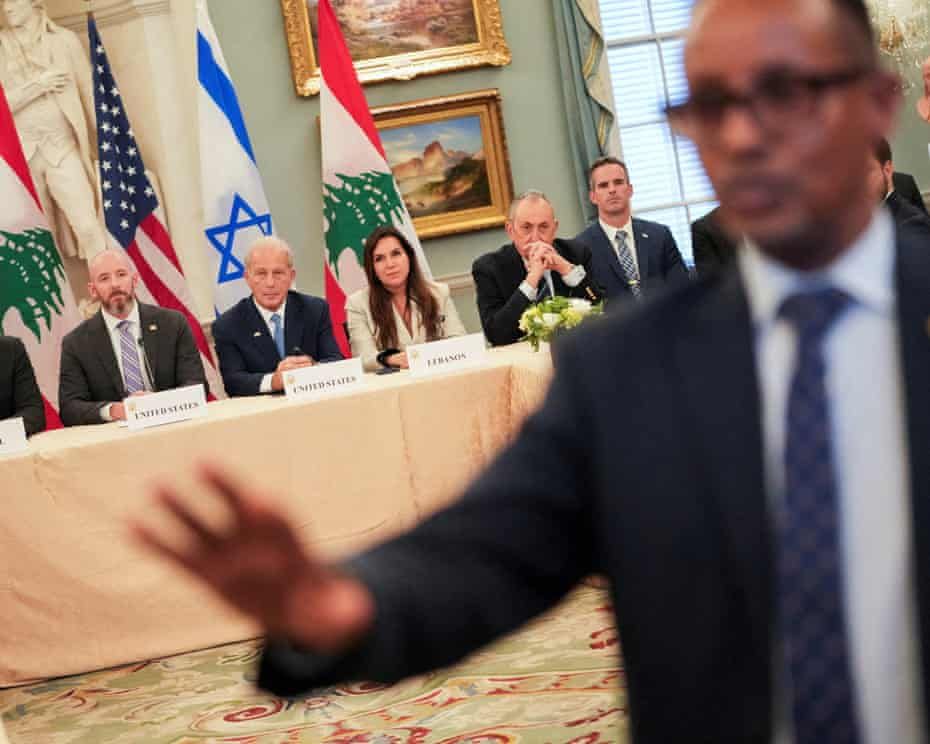
The renewed ceasefire emerged from talks involving American, Israeli, and Lebanese officials in Washington.
According to a joint statement released after the negotiations, the agreement depends on a complete cessation of hostilities and the withdrawal of Hezbollah fighters from areas south of the Litani River.

The parties also agreed to establish “pilot zones” in which the Lebanese Armed Forces would exercise exclusive authority, preventing armed non-state groups from operating within those areas.
US officials presented the arrangement as a practical step toward reducing violence while strengthening Lebanon’s state institutions.
The agreement represents the fourth round of direct diplomatic engagement between Lebanese and Israeli representatives since hostilities intensified earlier this year.
Why This Ceasefire Matters Beyond Lebanon
The importance of the agreement extends far beyond southern Lebanon.
For the Trump administration, reducing tensions on the Israel-Lebanon front is viewed as essential to broader efforts aimed at ending the regional crisis involving Iran.
President Donald Trump has publicly sought to separate negotiations concerning Lebanon from talks focused on Iran. However, events on the ground suggest that the two issues remain deeply interconnected.
Iran has consistently argued that regional conflicts involving its allies cannot be isolated from broader diplomatic negotiations with Washington.
As a result, progress in Lebanon could potentially influence the prospects for wider regional diplomacy.
Trump’s Diplomatic Gamble
Trump has increasingly positioned himself as a key figure in efforts to reduce tensions across the Middle East.
Earlier this week, he claimed he had intervened to prevent an imminent Israeli strike on Beirut.
Trump also revealed that he had spoken directly with Israeli Prime Minister Benjamin Netanyahu and other stakeholders regarding efforts to stop the fighting.
Reflecting on recent developments, Trump acknowledged frustration with ongoing military actions that threatened to derail diplomatic progress.
He said he had become “a little bit perturbed” by developments that complicated American-led peace efforts.
The remarks highlighted growing concerns in Washington that continued violence could undermine negotiations and create further instability in global energy markets.
Hezbollah Remains a Major Obstacle
Despite the diplomatic breakthrough, Hezbollah’s position remains one of the most significant uncertainties surrounding the agreement.
The Iran-backed movement was not directly involved in the Washington negotiations.
A Hezbollah official previously told AFP that the group would “not accept a partial ceasefire,” indicating that it expects any arrangement to address broader political and security concerns.
This stance raises important questions about implementation.
Many previous ceasefire efforts in the region have collapsed because armed groups and governments interpreted obligations differently or accused each other of violations.

Without Hezbollah’s clear endorsement, analysts warn that sustaining the agreement could prove difficult.
Lessons From Previous Agreements
The latest arrangement closely resembles a ceasefire reached in 2024.
Under that agreement, Hezbollah committed to withdrawing fighters north of the Litani River while Lebanese security forces expanded their deployment in southern areas.
However, implementation quickly became problematic.
Efforts to fully disarm Hezbollah stalled, while both sides repeatedly accused each other of violating ceasefire terms.
The result was a gradual return to violence that eventually undermined confidence in the agreement.
Those experiences serve as a warning that signing a ceasefire is often easier than enforcing one.
Continued Military Operations Raise Concerns
Hours after the renewed agreement was announced, reports emerged of Israeli drone strikes in the Nabatieh region of southern Lebanon.
The strikes highlighted the difficult reality facing diplomats attempting to secure peace.
Lebanese authorities also reported attacks affecting multiple locations across southern regions, including areas near healthcare facilities and emergency services.
Such incidents reinforce concerns that military actions could continue despite political commitments.
Regional observers note that successful ceasefires require not only agreements among leaders but also discipline and restraint from military actors on both sides.
As one analyst observed, “A ceasefire only gains credibility when violence actually stops.”
Strengthening Lebanon’s Security Institutions
A central component of the agreement involves expanding the role of Lebanon’s national security institutions.
The Lebanese Armed Forces are expected to assume greater responsibility for maintaining order and preventing unauthorized military activity in designated zones.
Supporters of the plan argue that empowering state institutions represents the most sustainable path toward long-term stability.
For years, Lebanon has struggled with the challenge of balancing state authority against the influence of powerful non-state actors.
The success of the pilot zones could therefore become a significant indicator of whether Lebanon can strengthen national control over sensitive border regions.
Critics, however, question whether the Lebanese military possesses sufficient resources and political backing to fully implement the agreement.
Economic Pressures Driving Diplomatic Efforts
The ceasefire is unfolding amid growing economic concerns throughout the region.
Recent attacks involving Iran, Kuwait, and the Strait of Hormuz have raised fears about energy security and international trade routes.
Oil prices have experienced renewed volatility as investors assess the risk of further escalation.
For Washington, reducing tensions is not only a diplomatic objective but also an economic necessity.
A prolonged regional conflict could place additional pressure on global markets and create political challenges at home.
These factors help explain why the Trump administration has invested considerable effort in securing progress on multiple diplomatic fronts.
Can the Israel-Lebanon Ceasefire Hold?
The renewed Israel-Lebanon ceasefire offers an opportunity to reduce violence and create space for broader diplomatic engagement.
However, the agreement’s success will depend on more than political declarations.
Compliance by armed groups, effective monitoring mechanisms, military restraint, and continued diplomatic engagement will all be essential if the ceasefire is to survive.
The coming weeks are likely to determine whether this agreement becomes a foundation for lasting peace or another temporary pause in a conflict that has repeatedly defied diplomatic solutions.
Read also:Iran strikes Kuwait International airport, killing one after US missile attack in Strait of Hormuz
What makes this ceasefire particularly significant is its connection to wider regional negotiations involving Iran and the United States. If successful, it could become an important building block for broader Middle East peace talks.
If it fails, it may reinforce doubts about the ability of diplomacy alone to resolve one of the region’s most enduring and dangerous security challenges.
About The Author


