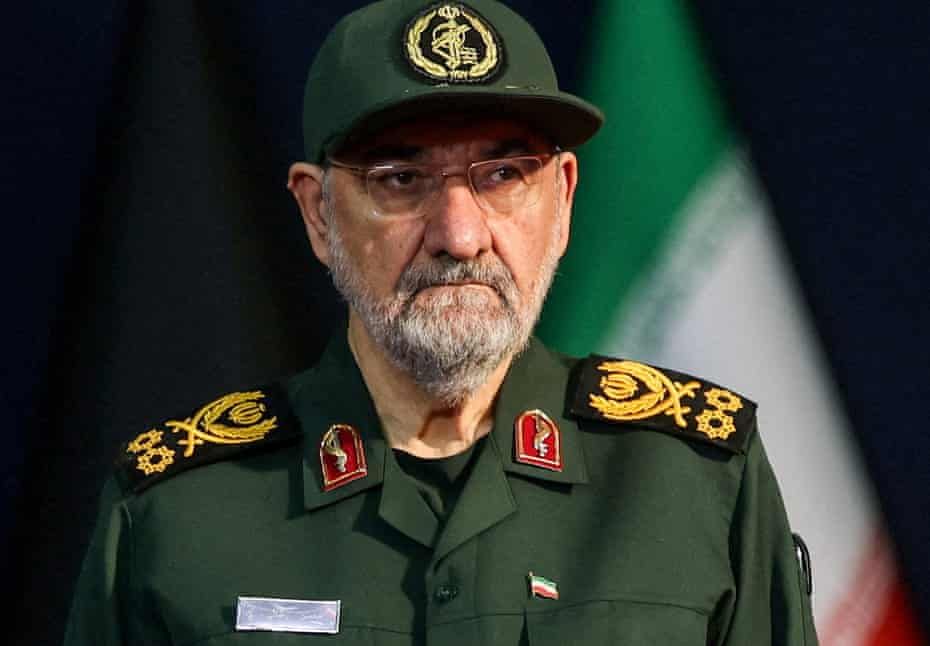
Iran new security chief Mohsen Rezaei has warned countries in the region that joining Washington’s economic campaign against Tehran could make them targets, escalating tensions surrounding the ongoing conflict.
The hardline Iranian official issued the warning during his first major television interview since being appointed to lead the country’s Supreme National Security Council.
According to The Guardian, Rezaei said Iran would respond against neighbouring countries that participate in efforts to weaken its economy, particularly if those countries assist the United States in imposing economic pressure on Tehran. The Guardian report
Mohsen Rezaei Delivers Strong Warning
Iran Threatens Regional Economic Interests
Rezaei, a former commander-in-chief of Iran’s Islamic Revolutionary Guard Corps, said Tehran still had several options available as the confrontation with the United States continues.
He specifically warned that countries supporting Washington’s economic campaign could face retaliation.
“Those neighbours would be considered an enemy and we will target their interests,” Rezaei said, according to the report.
The statement represents a significant escalation because it expands Iran’s warnings beyond direct military confrontation with the United States and towards regional countries that could cooperate with Washington.
Rezaei also threatened American commercial interests, suggesting that Tehran could widen its response if Washington intensifies economic sanctions.
“We have not yet attacked any American economic interests,” he said, adding that Iran had so far focused on military targets.
US Economic War Raises Stakes
The remarks came after US President Donald Trump intensified his campaign to isolate the Iranian economy.
Washington has threatened severe economic consequences against countries that continue to conduct business with Tehran, putting pressure on some of Iran’s major trading partners.
Rezaei argued that Iran could retaliate against American oil and economic companies operating in the region if the United States proceeds with further economic measures.
“If they want to impose economic sanctions on us, the United States has oil and economic companies around Iran and elsewhere, and we will strike them,” he said.
The warning could further complicate international efforts to prevent the conflict from spreading across the Middle East.
Strait of Hormuz Remains Major Flashpoint
Iran Warns Over Alternative Oil Routes
The Strait of Hormuz remains central to the confrontation because of its importance to global energy supplies.
Before the conflict disrupted shipping through the waterway, the strait served as a major route for a substantial share of the world’s oil shipments.
Rezaei warned that Iran could target alternative oil-shipping routes outside the strait if neighbouring countries joined the US economic campaign.
His comments add another layer to an already complicated dispute involving shipping, energy security, sanctions and regional military pressure.
Iran has also been discussing management of the waterway with neighbouring Oman, according to the report, with Rezaei saying fees could be imposed.
Meanwhile, countries concerned about disruptions are exploring alternative routes that could reduce dependence on the Strait of Hormuz.
Trump Maintains Pressure On Iran
US Pushes Economic Isolation
Trump has continued to threaten Iran with tougher economic measures as the conflict approaches its six-month mark.
The US campaign is aimed at restricting Tehran’s access to international trade and cutting off sources of revenue that could support its economy.
The confrontation follows the collapse of a ceasefire agreement reached in June, leaving the conflict unresolved and increasing fears of another escalation.
China, one of Iran’s important strategic partners, has criticised Washington’s approach, arguing that sanctions would not resolve the wider Middle East conflict.
The United Arab Emirates, another major Iranian trading partner, has also suspended trade and financial transactions with Tehran, according to the report.
Regional Powers Seek Alternative Routes
As tensions surrounding the Iran economic sanctions campaign increase, regional governments are examining ways to protect energy and commercial routes.
French President Emmanuel Macron and Saudi Crown Prince Mohammed bin Salman are expected to discuss alternative routes around the Strait of Hormuz during the Saudi leader’s visit to Paris.
Proposals reportedly include greater use of Omani ports outside the Gulf, expanded pipelines across Saudi Arabia and other locations, and new rail connections.
France and Saudi Arabia have also established a taskforce focused on energy and logistics links between the Middle East and Europe.
Read also: ⚖️ Prince Harry £9.5m Daily Mail court defeat rocks celebrity legal battle
These plans highlight the growing concern among regional and international powers that prolonged disruption around the Strait of Hormuz could have consequences far beyond Iran and the United States.
Iran Signals Wider Response
Economic Pressure Could Trigger Retaliation
The latest warning from Mohsen Rezaei suggests Tehran intends to treat economic pressure as part of the broader conflict rather than as a separate diplomatic dispute.
By threatening commercial interests and countries that cooperate with Washington, Iran is signalling that economic sanctions could produce consequences beyond traditional financial restrictions.
The threat also places regional governments in a difficult position as they attempt to balance relationships with Iran, the United States and other major international powers.
For Washington, the challenge will be preventing its economic campaign from triggering a wider regional confrontation.
For Iran, meanwhile, the threats indicate that Tehran may be prepared to expand its response if sanctions increasingly restrict its ability to trade and generate revenue.
The latest developments therefore leave the region facing another potentially dangerous phase, with economic pressure, military confrontation and control of vital energy routes increasingly becoming intertwined.
Key Takeaway
The warning from Iran’s new security chief marks a sharp escalation in Tehran’s rhetoric against countries supporting Washington’s economic campaign.
With the Strait of Hormuz remaining a critical strategic flashpoint, threats against regional interests could further complicate diplomatic efforts to contain the conflict.
About The Author