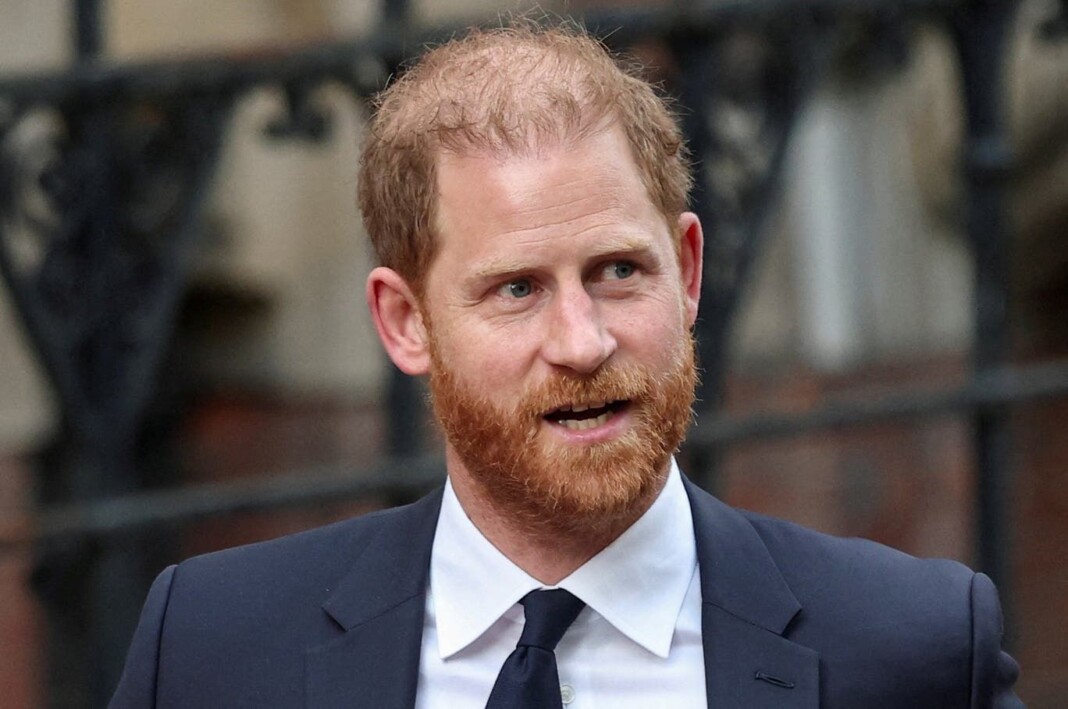

Prince Harry £9.5m Daily Mail court defeat has delivered a major financial blow to the Duke of Sussex and six other high-profile claimants after a High Court judge ordered them to make an initial £9.5 million payment to the publisher.
Prince Harry Faces £9.5m Initial Payment
The order follows the dismissal of claims brought against Associated Newspapers Ltd (ANL), publisher of the Daily Mail and Mail on Sunday, over allegations of unlawful information gathering.
The seven claimants had accused ANL of using illegal methods to obtain private information, including alleged phone tapping, the use of private investigators and attempts to obtain confidential records through deceptive means.
ANL strongly denied the allegations and spent more than £34 million defending itself during a 45-day High Court trial that attracted enormous public attention.
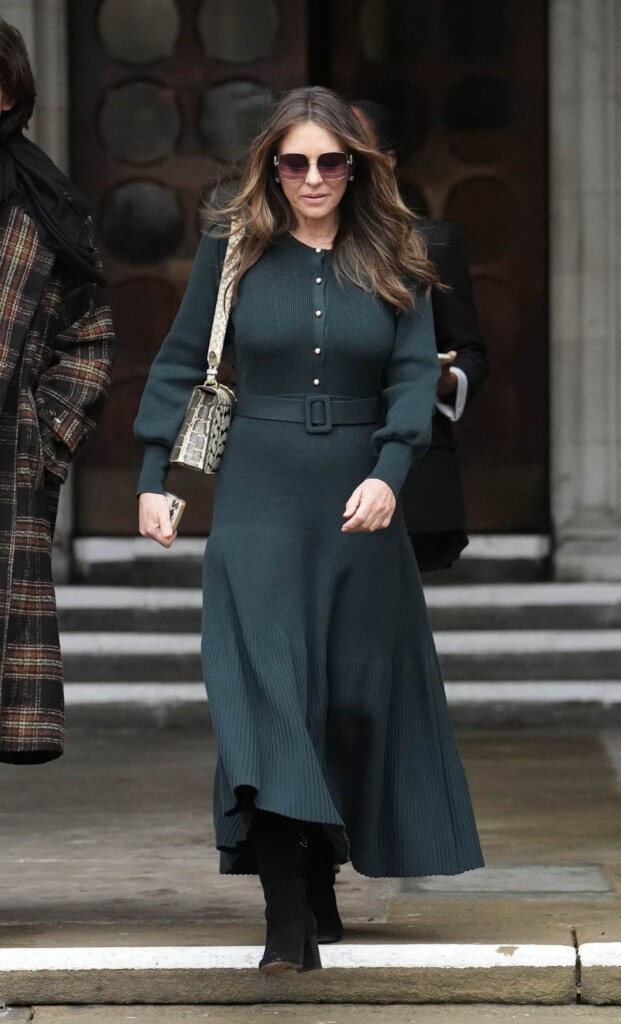
The group included Prince Harry, Sir Elton John, Baroness Doreen Lawrence, David Furnish, Sadie Frost, Liz Hurley and former Liberal Democrat MP Sir Simon Hughes.
Mr Justice Nicklin ordered the claimants to pay £9,544,355 by 4pm on August 28, representing an initial payment towards ANL’s legal costs.
The final amount remains to be determined at a later hearing, meaning the seven claimants could ultimately face a substantially larger bill.
High Court Rejects Unlawful Information Claims
The financial ruling follows a major judgment delivered in July, when Mr Justice Nicklin dismissed all the claims against ANL.
The case concerned 57 newspaper stories, most of which were published between 1997 and 2015. The judge concluded that the claimants had failed to prove that ANL had unlawfully gathered information about them.
That judgment represented a decisive victory for the publisher after years of legal proceedings.
The latest hearing focused specifically on costs, with ANL arguing that its substantial legal expenditure should be recovered from the unsuccessful claimants.
The publisher’s total costs had climbed beyond £34.5 million, while the seven claimants had insurance cover understood to be worth approximately £16 million.
Lawyers for the claimants had argued that the immediate payment should be slightly above £7.9 million rather than the more than £9.9 million sought by ANL.
Mr Justice Nicklin ultimately ordered the £9.544 million payment while refusing to restrict the eventual recovery of costs through a broad cap.
Judge Criticises Strategy Used by Claimants
The judge’s assessment of the litigation was particularly damaging for the group.
He described their approach as a “high-risk strategy” and said the allegations were “speculative and substantially inferential”.
Mr Justice Nicklin also criticised what he called the “exceptional breadth” of the case and the continued pursuit of serious allegations despite what he considered an inadequate evidential foundation.
Read also: 🇨🇦 Canada vows to match Trump’s 50% tariffs after trade talks collapse
“The cumulative effect of these matters takes the case well outside the norm. The conduct was unreasonable to a high degree,” the judge said.
His comments could become central if the claimants decide to challenge the costs decision or the underlying judgment.
The judge also highlighted the group’s reliance on evidence from private investigator Gavin Burrows, whose statement had been retracted and which he had insisted was fake.
Serious Allegations Remained in Dispute
According to the ruling, allegations of serious wrongdoing were pursued even when the evidential basis for some of them had weakened considerably.
Mr Justice Nicklin said it was “striking that not a single allegation of serious wrongdoing was voluntarily withdrawn” by the claimants, including allegations that had become unsupported or were no longer realistically maintainable.
The judge said the litigation had been pleaded broadly to obtain disclosure and potentially establish individual claims.
However, he emphasised that an indemnity costs order did not amount to a “blank cheque”.
Despite that qualification, he declined to impose a cost cap, saying such an approach could be unfair and vulnerable to being considered arbitrary.
The decision means the financial consequences of the failed case could extend well beyond the initial £9.5 million payment.
Daily Mail Publisher Celebrates Court Victory
Associated Newspapers welcomed the decision and presented it as further confirmation of its position throughout the legal battle.
A spokesperson for ANL described the ruling as “another overwhelming victory for the Mail and its journalism”.
The publisher also accused the claimants of pursuing allegations that should never have reached trial, particularly after questions emerged over evidence from their main witness.
ANL said the claims had placed a significant burden on the newspaper and its journalists, who were required to defend themselves against allegations of serious wrongdoing.
The publisher further argued that the continued pursuit of the allegations raised wider questions about the conduct of parts of the legal profession.
The strong response demonstrates how consequential the case has become for both sides.
For the claimants, the judgment represents not only the rejection of their allegations but also the prospect of a major financial liability.
For ANL, it provides an important legal vindication after being forced to defend itself against claims that attracted international attention.
Sir Simon Hughes Considers Possible Appeal
Despite the ruling, there remains a possibility that the dispute could continue through an appeal.
Sir Simon Hughes said he was “disappointed” and “surprised” that the judge had declined to limit the publisher’s recoverable costs.
“I am now taking the time necessary to consider both the substantive and the costs judgment and whether to pursue appeals against decisions in either judgment or both,” Hughes said.
His comments indicate that at least some of the claimants are carefully considering their next legal options.
Any appeal could prolong a dispute that has already consumed years and generated enormous legal costs.
The immediate order, however, requires the seven claimants to make the £9.544 million payment before the August 28 deadline.
Prince Harry’s UK Return Adds Fresh Attention
The Prince Harry Daily Mail court defeat comes at a particularly significant time for the Duke of Sussex.
Harry and his wife, Meghan, Duchess of Sussex, have recently been linked with plans to return to the United Kingdom after several years living in California.
That development has already generated intense public interest because Harry has maintained a highly contentious relationship with sections of the British media.
His legal battles have been a major part of that relationship, with the Duke repeatedly challenging newspapers over alleged breaches of privacy and unlawful conduct.
The latest judgment therefore has significance beyond the immediate financial dispute.
It places renewed attention on Harry’s long-running confrontation with British newspapers while raising questions about the costs associated with high-profile litigation.
What Happens Next?
The £9.5 million payment is only an interim award, meaning the ultimate bill could rise after the court completes its assessment of ANL’s costs.
The judge’s decision to use an indemnity basis could potentially increase the amount recoverable by the publisher compared with a standard costs assessment.
At the same time, any appeal could alter the legal position if the claimants successfully challenge aspects of the judgment.
For now, however, ANL has secured a substantial financial order following its courtroom victory.
The case also illustrates the enormous financial risks associated with complex civil litigation involving allegations of serious wrongdoing.
With ANL’s legal costs exceeding £34 million, the eventual financial consequences could be far greater than the first payment now ordered.
For Prince Harry and the other claimants, the immediate priority will be deciding whether to accept the court’s findings, pursue an appeal or continue challenging the financial consequences of the failed case.
The Prince Harry £9.5m Daily Mail court defeat has therefore become more than a headline-making legal setback. It is now a major financial battle, with millions of pounds already at stake and the possibility of further costs ahead.
About The Author