

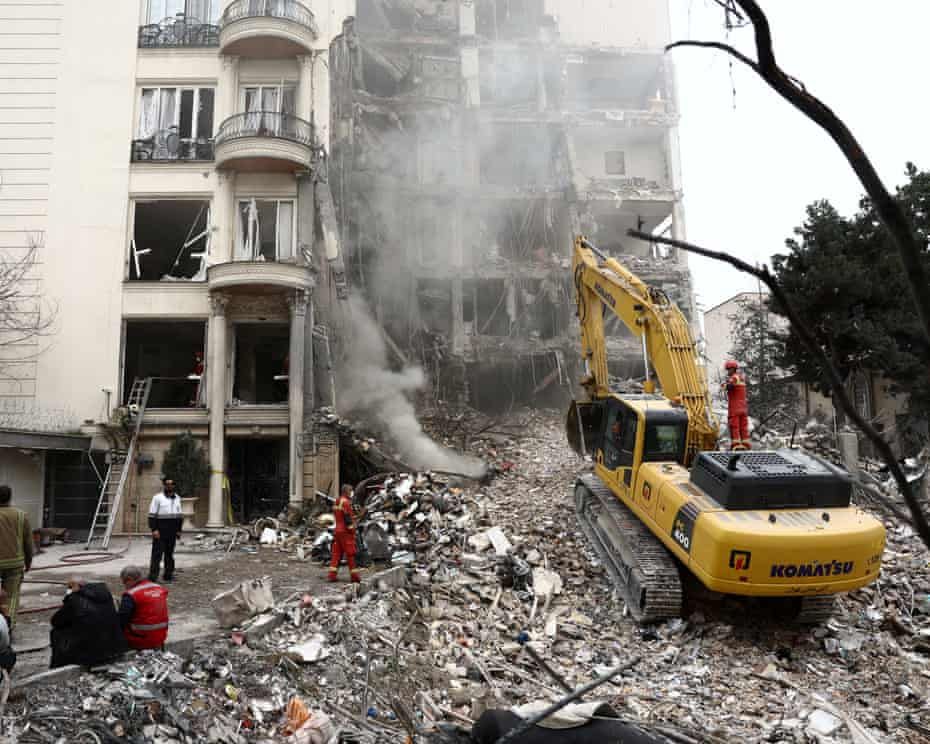
Tehran strikes dominated headlines as fresh Israeli operations targeted key infrastructure in Iran’s capital, signaling escalation despite diplomatic signals from Donald Trump suggesting a temporary pause in energy related attacks.
The latest Tehran strikes were confirmed by the Israeli Defense Forces, which stated operations would continue under government directives until further notice, emphasizing strategic persistence across multiple military targets.
Explosions echoed across Tehran as reports described unprecedented intensity, with regional observers noting the scale suggested a coordinated effort targeting command centers, weapons production facilities, and intelligence hubs.
Officials clarified that energy infrastructure might be spared temporarily, aligning with Washington’s evolving approach, even as broader Tehran strikes continued to degrade Iran’s military capacity and disrupt operational networks nationwide.
According to statements, Israeli forces struck Revolutionary Guard installations, including air defense systems and logistical bases, indicating a focused attempt to weaken Iran’s strategic military backbone through sustained Tehran strikes.
The escalation followed remarks from Donald Trump, who described recent engagements with Iranian representatives as “productive,” prompting a five day delay in planned US attacks on energy facilities.
Despite this diplomatic pause, Israeli leadership maintained operational independence, highlighting that Tehran strikes were proceeding based on national security calculations rather than external political developments or ongoing negotiations involving Washington.
Analysts suggest this dual track approach reflects diverging priorities, with Israel pursuing immediate military objectives while the United States explores diplomatic avenues aimed at de-escalation and regional stability.
Reports from local correspondents indicated widespread panic among civilians, as repeated Tehran strikes disrupted daily life and caused significant damage to residential and industrial areas across the capital.
Human rights organizations reported casualties, including civilians, raising concerns about humanitarian impacts, particularly as the intensity and frequency of Tehran strikes continue to rise amid the ongoing conflict.
Data from monitoring groups indicated hundreds of attacks across multiple provinces, suggesting that Tehran strikes are part of a broader campaign affecting diverse regions beyond the capital.
Estimates of casualties remain contested, but figures suggest significant losses, including a notable proportion of minors, underscoring the human cost associated with the escalating Tehran strikes.
Meanwhile, Iranian officials confirmed retaliatory measures, launching attacks targeting Israeli positions, signaling that Tehran strikes are part of a wider cycle of escalation between both nations.
Military analysts note that Israel has significantly reduced Iran’s missile launching capabilities, destroying a large portion of its infrastructure since the conflict intensified earlier in the month.
The reduction in missile fire toward Israel has been cited as evidence of operational success, though officials caution that remaining capabilities still pose a credible threat requiring continued vigilance.
Strategic objectives appear centered on dismantling Iran’s offensive capabilities while avoiding actions that could trigger broader regional involvement or disrupt global energy markets significantly.
The temporary pause on energy infrastructure attacks reflects concerns about economic consequences, particularly oil supply disruptions that could impact international markets and global economic stability.
Observers highlight that Tehran strikes, while tactical, carry strategic implications, influencing diplomatic negotiations and shaping the broader geopolitical landscape across the Middle East.
In parallel developments, Israeli operations extended beyond Iran, with strikes reported in Beirut targeting infrastructure linked to Hezbollah, an Iran backed militant organization.
The expansion of military actions into Lebanon suggests a coordinated effort to counter allied groups, reinforcing Israel’s broader strategy against what it perceives as interconnected regional threats.
Lebanese authorities reported casualties following strikes, adding another layer of complexity to the conflict and raising fears of further regional destabilization.
Statements from Israeli officials indicated intentions to reshape security dynamics along northern borders, reflecting long term strategic considerations beyond immediate Tehran strikes.
Political rhetoric intensified as figures like Bezalel Smotrich advocated for territorial changes, signaling potential policy shifts that could further inflame tensions.
Such proposals have drawn criticism internationally, with concerns that expansionist ambitions may undermine diplomatic efforts and escalate existing conflicts across multiple fronts.
Within Israel, public opinion remains divided, balancing support for security measures with concerns about prolonged conflict and its economic and social consequences.
In Iran, authorities have sought to project resilience, emphasizing national unity while condemning Tehran strikes as violations of sovereignty and international law.
State media highlighted civilian suffering, aiming to galvanize domestic and international support against continued military operations targeting Iranian territory.
Diplomatic channels remain active, though progress appears uncertain, with both sides maintaining firm positions while signaling conditional openness to negotiations.
The role of international actors continues to be critical, as global powers monitor developments and assess potential interventions aimed at preventing further escalation.
European leaders have expressed concern over the humanitarian situation, urging restraint and renewed dialogue to address underlying tensions driving Tehran strikes.
Energy markets have responded cautiously, with fluctuations reflecting uncertainty about supply disruptions and the potential for broader conflict affecting key production regions.
Experts warn that prolonged instability could have lasting effects on global economies, particularly if infrastructure damage extends beyond current limitations.
The information landscape remains complex, with conflicting reports and limited independent verification complicating efforts to fully assess the impact of ongoing Tehran strikes.
Journalists and analysts emphasize the importance of reliable data, noting that accurate reporting is essential for informed decision making at both national and international levels.
As the situation evolves, attention remains focused on whether diplomatic efforts can gain traction amid continued military operations and rising humanitarian concerns.
The interplay between negotiation and conflict highlights the delicate balance facing leaders, as decisions carry significant consequences for regional and global stability.
Read also: Iran false flag attack denial intensifies tensions over Diego Garcia claims
Ultimately, Tehran strikes represent more than isolated military actions, reflecting deeper geopolitical tensions and long standing rivalries shaping the Middle East’s future trajectory.
The coming days are expected to be critical, with developments likely to influence not only the immediate conflict but also broader diplomatic relations and security dynamics worldwide.
About The Author
