Israeli Special Forces raid in Nabi Chit has resulted in heavy casualties after airborne troops and ground units from the Israel Defense Forces launched a large-scale overnight operation in eastern Lebanon, intensifying the already volatile conflict with Hezbollah.
Lebanese health authorities reported that at least 41 people were killed and around 40 others injured during the assault on Nabi Chit, a town in the Bekaa Valley known to be a stronghold of Hezbollah influence. Among the dead were civilians, including children, as well as three Lebanese soldiers.
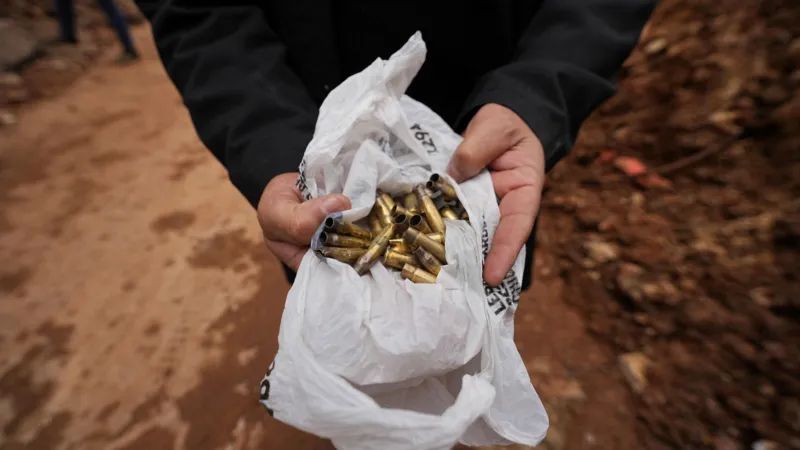
According to Lebanese military officials, Israeli aircraft were first detected near the Lebanon–Syria border late at night. Two aircraft reportedly landed and deployed special forces units while what officials described as a “large-scale aerial bombardment” began across surrounding neighbourhoods.
The Lebanese Armed Forces stated that it initiated defensive alert measures but sought to avoid direct confrontation, as it has consistently attempted to distance itself from direct involvement in the war between Israel and Hezbollah.
Residents described chaotic scenes as heavy explosions shook residential areas. Several buildings were destroyed, vehicles were damaged, and streets were left covered with debris. Families reported being caught off guard despite evacuation warnings issued shortly before the operation began.
The main objective of the mission, according to Israeli statements, was to recover the remains of missing Israeli airman Ron Arad, who disappeared during a 1980s mission over Lebanon. Witnesses said Israeli forces dug up a grave at a local cemetery believed to contain relevant remains, but locals reported that the grave was empty.
Clashes reportedly erupted after Israeli commandos encountered resistance from Hezbollah fighters and armed residents. Exchanges of fire continued in parts of the town while airstrikes intensified, allegedly to provide cover for the withdrawal of Israeli forces.
Hezbollah sources claimed that approximately 40 airstrikes were conducted within a concentrated area to shield retreating troops. Large craters and extensive structural damage were visible across multiple neighbourhoods by morning.
Witnesses also alleged that Israeli personnel entered the town wearing uniforms resembling those of Lebanese forces and travelled in vehicles marked as medical transports linked to Hezbollah’s Islamic Health Organization.
These claims were later echoed by Lebanese security officials, though Israeli authorities did not respond to requests for comment.
Local residents expressed anger over what they described as indiscriminate destruction. Many families insisted they had no direct involvement with Hezbollah activities and believed their homes would not be targeted.
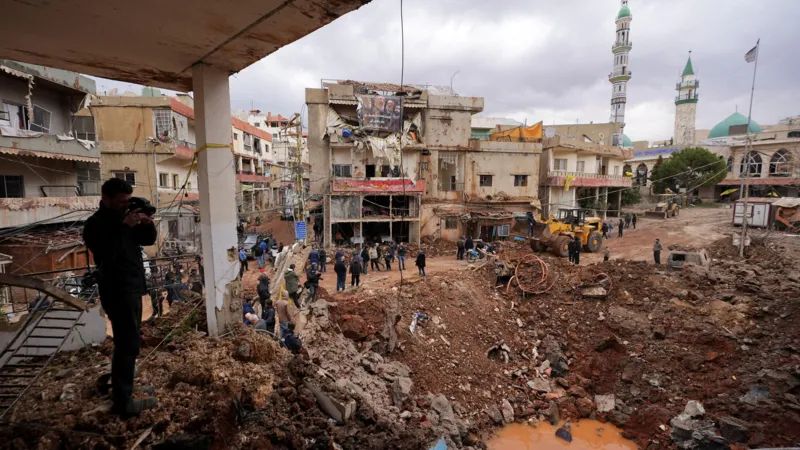
Some survivors described the bombardment as far more intense than previous exchanges during the conflict. While earlier incidents had involved limited targeted strikes, residents said this operation appeared broader and more forceful, affecting entire residential blocks.
Despite the devastation, gatherings formed near impact sites as residents searched for survivors and assessed damage to property. Emotions ranged from grief and shock to defiance, with some locals declaring support for Hezbollah’s continued resistance.
Israel’s military stated that no Israeli personnel were injured during the operation and reaffirmed its commitment to locating and returning missing service members. The statement emphasised that recovery missions would continue despite operational risks.
However, Tami Arad publicly urged Israeli leaders to reconsider operations that could endanger soldiers. In a social media statement, she stressed that the protection of living personnel should take precedence over the recovery of remains.
Separate Israeli announcements said additional airstrikes targeted Hezbollah weapons depots and military facilities across southern Lebanon and other parts of the Bekaa Valley. Lebanese officials reported that nationwide casualties from recent Israeli operations have risen sharply during the past week.
Security analysts note that the raid represents one of the most ambitious Israeli ground-linked missions inside Lebanese territory in recent months. The combination of airborne deployment, special forces manoeuvres, and sustained air cover signals a significant escalation in operational intensity.
The incident adds to mounting regional instability as cross-border hostilities between Israel and Hezbollah grow more frequent and more destructive. International observers have warned that continued escalation risks drawing neighbouring states further into confrontation.
Diplomatic efforts to calm tensions have so far struggled to produce meaningful de-escalation, with both sides maintaining hardened positions. Civilian communities near conflict zones remain especially vulnerable as military operations expand in scope and frequency.
The Bekaa Valley, due to its strategic location and entrenched armed presence, is increasingly viewed as a flashpoint where future confrontations could intensify. Residents fear that further raids could produce even higher humanitarian costs.
As recovery teams continue searching damaged areas, uncertainty remains over whether the mission achieved its primary objective. The absence of confirmation regarding recovered remains has left both Lebanese residents and Israeli families awaiting clarity.
The raid underscores how unresolved cases from past conflicts continue to shape present military decisions, while civilians bear the heaviest consequences of renewed hostilities.

Regional tensions remain high as military operations persist, with both Israel and Hezbollah indicating readiness for further action if strategic objectives are not met.
Read also: Trump attends Dover ceremony for US troops killed in Kuwait drone strike