

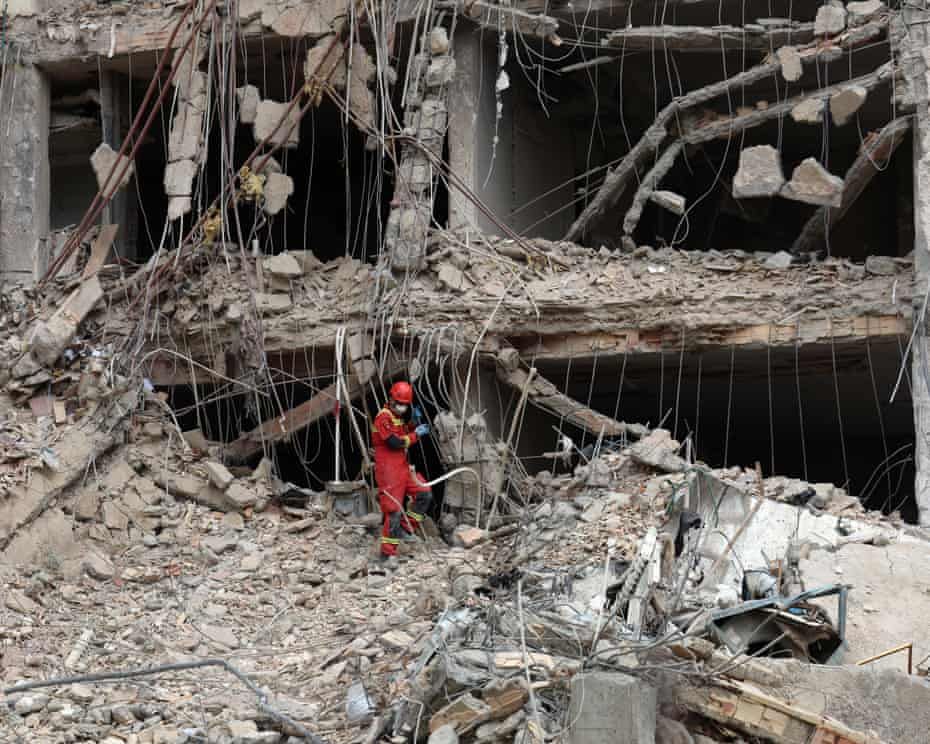
Trump attack pause brought temporary relief across Iran as civilians reacted to the decision by Donald Trump to delay planned strikes targeting critical energy infrastructure after claims of productive diplomatic engagement.
The announcement by Donald Trump triggered mixed emotions, with many Iranians expressing cautious optimism while questioning whether the Trump attack pause represented genuine diplomacy or merely a delay before more severe military action.
In cities such as Tehran, residents described a brief sense of calm, though uncertainty persisted as people feared the Trump attack pause might only postpone what one observer called “an unimaginable disaster.”
Diplomatic channels appeared active behind the scenes, with mediation efforts reportedly led by regional actors seeking to maintain dialogue despite Iran denying direct negotiations with the United States.
Officials in Iran emphasized that while the Trump attack pause reduced immediate risk, it did not eliminate the broader threat posed by potential attacks on national infrastructure and civilian systems.
Many citizens feared that targeting energy facilities could trigger widespread blackouts, disrupting water supply, transportation, healthcare services, and communication networks across the country.
An Iranian commentator warned that such a scenario would plunge millions into darkness, describing it as “a collapse of basic life systems” with devastating humanitarian consequences.
Writers and analysts compared the potential aftermath to dystopian scenarios, suggesting that a sustained blackout could lead to social breakdown and severe shortages of essential resources.
Public discourse in Iran reflected anger and defiance, with some voices calling for international intervention to prevent escalation and urging global leaders to restrain further military threats.
Despite the Trump attack pause, many Iranians remained skeptical of US intentions, viewing the delay as part of a broader strategic calculation rather than a commitment to peace.
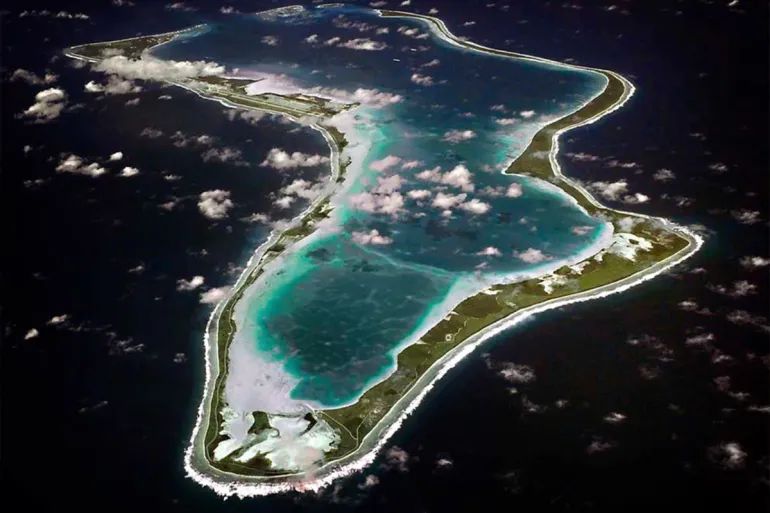
Regional diplomacy intensified, with countries like Oman and Turkey reportedly engaging in quiet efforts to reduce tensions and encourage continued communication between opposing sides.
Observers noted that these diplomatic initiatives, while important, faced significant challenges given the deep mistrust and conflicting strategic objectives shaping the conflict.
Iranian officials warned that any attack on infrastructure would provoke retaliation, potentially targeting energy facilities and desalination plants across the Gulf region.
Such retaliatory threats raised concerns about a wider regional crisis, with the possibility of economic disruption and environmental damage affecting multiple countries.
Energy experts highlighted the resilience of Iran’s power grid, noting its distributed structure could make it difficult to disable completely through limited airstrikes.
However, they also acknowledged that sustained attacks could still cause significant disruption, particularly if key facilities were repeatedly targeted over an extended period.
The Trump attack pause coincided with reduced energy consumption due to seasonal factors, providing temporary stability within the grid and easing immediate pressure on supply systems.
Large numbers of residents reportedly left major cities, contributing to lower demand and reflecting growing anxiety about the potential for renewed military escalation.
Estimates suggested millions had been displaced internally, underscoring the broader social impact of the conflict beyond direct military engagements.
Prominent Iranian figures criticized the idea of targeting civilian infrastructure, arguing it would constitute a serious violation of international norms and humanitarian principles.
One former diplomat stated that attacking power plants would bring “no honour or credibility,” emphasizing the moral implications of such actions on the global stage.
Legal experts argued that premeditated strikes on civilian systems could raise significant legal questions, particularly if conducted outside immediate battlefield conditions.
Meanwhile, rhetoric within Iran continued to harden, with officials stressing the country’s readiness to respond decisively to any form of aggression.
The strategic importance of the Strait of Hormuz remained central to discussions, with speculation that military actions could extend to attempts to control key maritime routes.
Some analysts suggested that threats to energy infrastructure might serve as a diversion from broader geopolitical objectives involving territorial or strategic positioning.
Iranian defense authorities warned that any attack on coastal areas could result in the mining of critical waterways, potentially disrupting global shipping routes.
Such actions would have far reaching consequences, affecting international trade and energy supplies while increasing risks for civilian and commercial vessels.
Global markets responded cautiously to the Trump attack pause, with fluctuations reflecting uncertainty about the duration and outcome of the temporary reprieve.
European and regional leaders called for restraint, emphasizing the need for diplomacy to prevent further escalation and avoid a deepening humanitarian crisis.
Despite these calls, skepticism persisted among Iranian citizens, many of whom viewed the situation as unpredictable and potentially volatile in the coming days.
Media narratives within Iran highlighted both relief and fear, capturing a population caught between hope for peace and concern about imminent conflict.
The Trump attack pause has therefore become a focal point of both diplomatic efforts and public anxiety, symbolizing a fragile moment in an otherwise escalating confrontation.
As developments continue, the international community remains watchful, aware that decisions made during this period could shape the trajectory of the conflict significantly.
Ultimately, the situation reflects a delicate balance between negotiation and confrontation, with the Trump attack pause offering a narrow window for potential de escalation.
Read also: Benjamin Netanyahu hopes destroying Iranian ‘Axis of Evil’ will rehabilitate his image
Whether this pause leads to meaningful progress or simply delays further conflict remains uncertain, as both sides continue to weigh their strategic options carefully.
For many Iranians, the immediate sense of relief is overshadowed by lingering fear, with the future hinging on decisions yet to be made by global and regional leaders.
About The Author
