

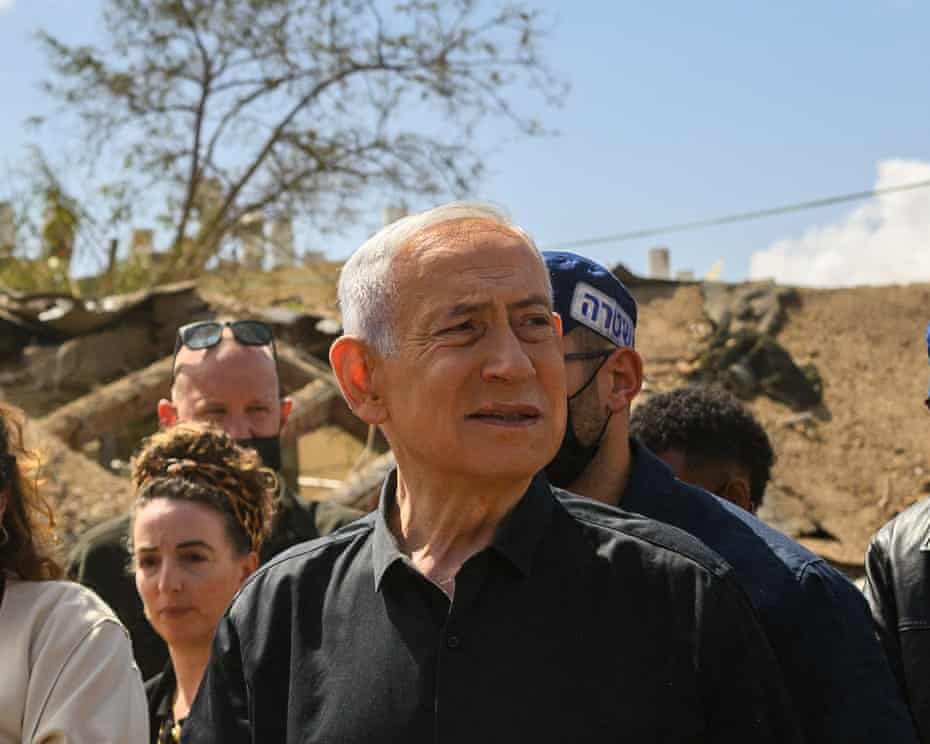
Israeli Prime Minister Benjamin Netanyahu is pursuing a high-stakes military campaign against Iran, aiming to dismantle what he describes as the Iranian “axis of evil” while also attempting to restore his political standing. The ongoing war has become deeply intertwined with his legacy, electoral prospects, and legal troubles, making the conflict a defining moment in his leadership.
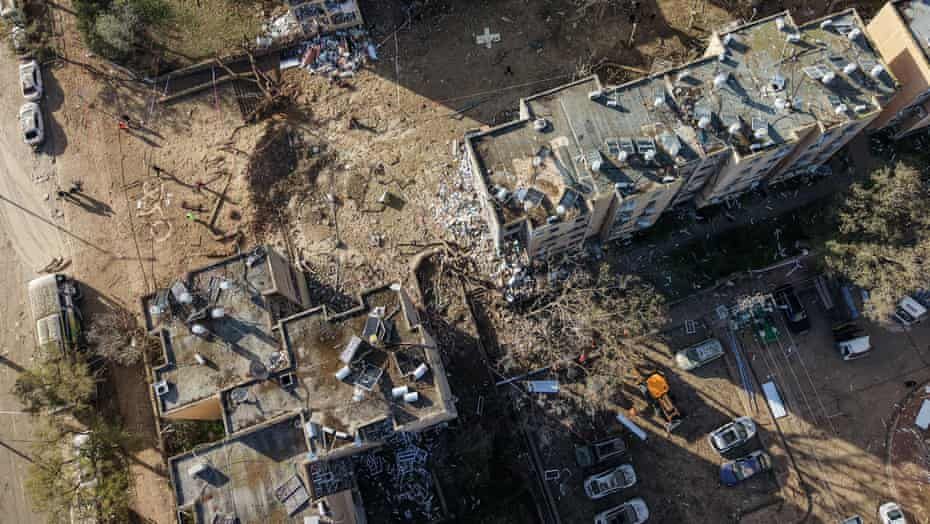
Over the past three weeks, Iranian missile attacks have struck inside Israel, causing casualties and widespread disruption. Despite this, public support within Israel remains strongly behind the war effort. Polling indicates that more than 90% of Jewish Israelis back the decision to engage Iran militarily, showing a rare level of national unity even amid sustained attacks and disruptions to daily life.
The conflict has not weakened public backing for Netanyahu, as many citizens view the war as a necessary response to what they perceive as an existential threat. Even as air raid sirens continue and schools remain closed, a majority of Israelis support continued strikes against Iran, with many believing that regime change should be pursued. This reflects a broader sense of determination rather than hesitation.
Opposition voices have largely aligned with the government’s stance, temporarily setting aside political rivalry to support the war effort. This rare consensus highlights how national security concerns can override internal political divisions. Analysts suggest that this unity could strengthen Netanyahu’s position in the short term, particularly if he decides to call early elections to capitalize on wartime momentum.
Netanyahu’s political future is closely tied to the outcome of the war. With a national election expected in the coming months, the prime minister faces pressure to demonstrate decisive leadership. His handling of the conflict may influence voter sentiment, especially as Israelis prepare to evaluate leadership decisions following the events of 7 October 2023.
Since the Hamas-led attack so, Netanyahu has faced criticism for failing to take responsibility for security lapses. Despite this, he has managed to hold together a fragile coalition government. However, polling data over the past two years has consistently shown that his popularity remains below the level needed to secure re-election without a significant shift in public perception.
Many observers believe that Netanyahu views the war with Iran as a pathway to political redemption. By portraying the campaign as a necessary step to eliminate a long-standing threat, he may hope to reshape public opinion and reposition himself as a strong wartime leader. However, previous conflicts have shown that military action does not always translate into sustained political gains.
Public opinion experts note that Israelis are generally convinced by Netanyahu’s justification that the war is driven by security needs rather than political motives. This perception is crucial, as it helps sustain support even in the face of prolonged conflict and uncertainty. However, skepticism remains in some quarters about whether the war serves broader strategic goals or domestic political interests.
Internal criticism of the war has been limited, with most dissent coming from minority groups or independent political figures. Some activists and candidates have questioned the lack of clear objectives and the absence of an opposition voice challenging the direction of the conflict. These voices remain on the margins, however, as the dominant political environment continues to favor unity.
The war is also reshaping Israel’s international standing, particularly its relationship with the United States. While the conflict has strengthened ties with certain allies, it has also sparked criticism abroad. Concerns about rising energy prices, regional instability, and humanitarian consequences have contributed to growing unease in the global community.
In the United States, support for the war is mixed. Public opinion polls indicate that many Americans, including members of both major political parties, oppose prolonged military engagement with Iran. This presents a potential challenge for US leadership, as domestic political pressures may influence future decisions regarding the conflict.
Critics within political circles have also raised concerns about the motivations behind the war. Some argue that external pressure and strategic alliances have played a role in the decision to escalate military action. These claims, while controversial, reflect the broader debate over the intersection of foreign policy and domestic politics.
Netanyahu’s relationship with US leadership remains a key factor in the war’s trajectory. The support of international allies has long been central to Israel’s security strategy, but prolonged conflict could strain these relationships. Any decline in US backing would represent a significant strategic challenge for Israel moving forward.
The humanitarian impact of the conflict has also drawn global attention. Airstrikes and missile attacks have resulted in significant civilian casualties in both Iran and Israel, raising concerns about the long-term consequences of continued escalation. Images of destruction and loss have fueled international debate over the conduct and justification of the war.
Within Israel, the war has overshadowed other ongoing issues, including the situation in Gaza and tensions in the West Bank. As military operations continue, attention has shifted away from these regions, though analysts warn that renewed focus could return if political conditions change after upcoming elections.
Netanyahu’s legal troubles add another layer of complexity to the situation. Facing charges related to corruption, bribery, and breach of trust, the prime minister’s future could be significantly affected by the outcome of both the war and the elections. A loss of power would force him to confront these charges as a private citizen.
Supporters argue that Netanyahu’s leadership during wartime demonstrates his ability to guide the country through crises. However, critics contend that his decisions may be influenced by personal survival rather than national interest. This debate continues to shape public discourse within Israel.
Some political analysts believe that the war may not deliver the political boost Netanyahu hopes for. Previous conflicts have shown that public opinion can be volatile, and initial support often fades if the expected outcomes are not achieved. If the war fails to produce decisive results, it could undermine his position instead.
The broader regional implications of the war are also significant. Analysts warn that continued escalation could destabilize neighboring countries and disrupt global markets. Energy security, in particular, remains a major concern, as disruptions in the region could lead to rising prices and economic uncertainty worldwide.
As the conflict unfolds, Netanyahu faces a complex balancing act between military objectives, political survival, and international diplomacy. The outcome of the war will likely play a decisive role in shaping not only his legacy but also the future direction of Israel’s leadership.
With elections approaching and tensions remaining high, the coming months will be critical in determining whether Netanyahu’s strategy succeeds or backfires. His attempt to leverage the war for political gain represents one of the most consequential risks of his long political career.
Read also: Lebanon bridge strikes escalation signals possible ground invasion