

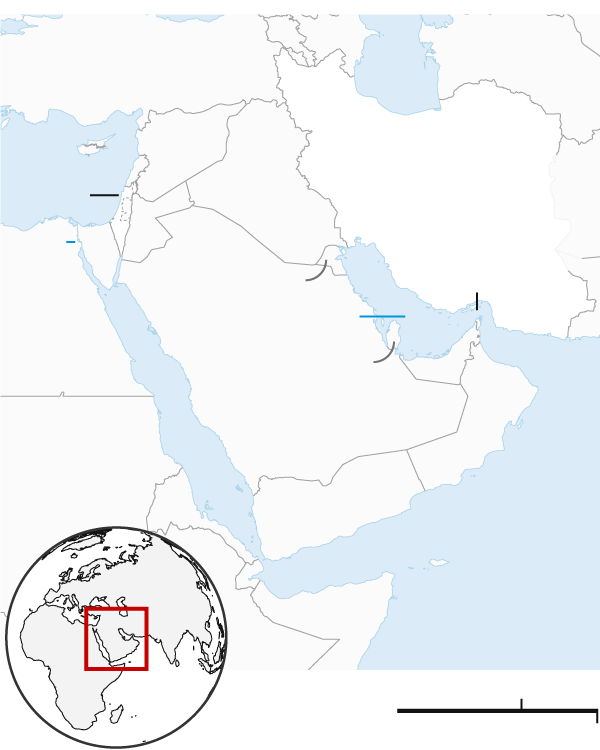
Gulf Tension– Iran has warned that any attack on its coastline will trigger a sweeping Gulf shutdown, escalating regional tensions and raising fears of prolonged disruption across vital global shipping routes.
Iran’s defence authorities declared that hostile actions against its coasts or islands would lead to extensive mining operations across the Persian Gulf, disrupting maritime movement significantly.
Officials stated that such measures would mirror conditions seen in the Strait of Hormuz, effectively turning the entire Gulf into a restricted and dangerous navigation zone for an extended period.
According to statements reported by national media, floating and stationary naval mines could be deployed rapidly, forming a layered maritime barrier designed to deter or halt enemy naval operations entirely.
The announcement reflects heightened tensions amid ongoing regional instability, with military planners increasingly preparing for scenarios involving prolonged maritime disruption and restricted access to strategic waterways.
Iran emphasised that its actions would follow “common military practice,” framing the move as defensive while warning that responsibility for escalation would rest with opposing forces initiating attacks.
The Persian Gulf remains one of the world’s most critical energy corridors, with a significant portion of global oil exports passing through its waters on a daily basis.
Disruption in this region would not only affect energy markets but also global trade, insurance costs, and shipping logistics, potentially creating cascading economic consequences worldwide.
Officials further noted that floating mines could be deployed quickly from coastal areas, allowing Iran to respond rapidly to perceived threats without requiring extensive naval mobilisation.
Analysts believe such tactics could complicate demining efforts, prolonging any blockade and increasing risks for commercial vessels navigating the affected zones.
Iran also indicated selective passage allowances, noting that allied nations such as China, India, and Pakistan may receive controlled access through secured maritime corridors.
This selective access highlights the geopolitical dimensions of the crisis, as Iran seeks to maintain strategic relationships while exerting pressure on rival nations and their allies.
However, other nations face restrictions, as recent incidents involving ship attacks and suspected mine deployments have already disrupted shipping lanes, intensifying uncertainty within global energy and trade markets.
Reports of vessels being targeted have heightened concerns among international shipping companies, many of which are reassessing routes or increasing security measures in response to the evolving threat environment.
Energy analysts warn that prolonged instability in the Gulf could trigger sharp oil price increases, compounding existing economic pressures and affecting supply chains far beyond the immediate conflict region.
Higher fuel costs would likely translate into increased transportation expenses, ultimately impacting consumer prices and economic stability in both developed and developing nations.
The Strait of Hormuz, already a focal point of geopolitical tension, plays a central role in this unfolding crisis due to its narrow passage and strategic importance.
Any disruption to traffic through the strait could have immediate and severe implications for global oil supply, making it a critical pressure point in international relations.
Meanwhile, the United States is reportedly evaluating strategic responses, including potential actions targeting key Iranian infrastructure such as Kharg Island, a critical hub for the country’s oil exports.
Such a move would represent a significant escalation, potentially drawing additional regional and global actors into the conflict and increasing the risk of a broader confrontation.
US President Donald Trump has issued a stern warning, stating that failure to reopen vital shipping routes could result in severe military retaliation against Iranian energy facilities.
The warning comes amid rising domestic pressure in the United States, where increasing oil prices have become a major political and economic concern.
Diplomatic efforts to de-escalate tensions appear limited, with both sides maintaining firm positions and signalling readiness for further confrontation if necessary.
International observers have called for restraint, emphasising the need for dialogue to prevent a full-scale disruption of one of the world’s most vital maritime regions.
The potential closure of the Gulf would have far-reaching consequences for global markets, particularly in energy-dependent economies that rely heavily on stable oil supplies.
Countries across Europe and Asia could face immediate supply shortages, prompting governments to tap into strategic reserves or seek alternative energy sources.
Shipping insurers are also likely to increase premiums significantly, reflecting the heightened risks associated with navigating mined or contested waters.
This could further discourage commercial traffic, exacerbating supply chain disruptions and contributing to broader economic instability.
Military analysts suggest that mine-laying operations, while effective in restricting access, also carry risks of unintended escalation, particularly if neutral vessels are affected.
Such incidents could draw additional countries into the conflict, complicating efforts to contain the situation and increasing the likelihood of a wider regional war.
Iran’s strategy appears to combine military deterrence with economic leverage, aiming to pressure adversaries while maintaining influence over critical trade routes.
This approach underscores the interconnected nature of modern conflicts, where economic and military considerations are deeply intertwined.
The evolving situation continues to attract global attention, with governments, corporations, and international organisations closely monitoring developments in the region.
Read also:Emmanuel Gregoire wins Paris mayoral race in landmark election
As tensions persist, the possibility of miscalculation remains high, raising concerns about how quickly the situation could spiral into a larger and more destructive conflict.
For now, the Persian Gulf stands at the centre of a fragile and volatile standoff, with its future stability carrying significant implications for the global economy and international security.