

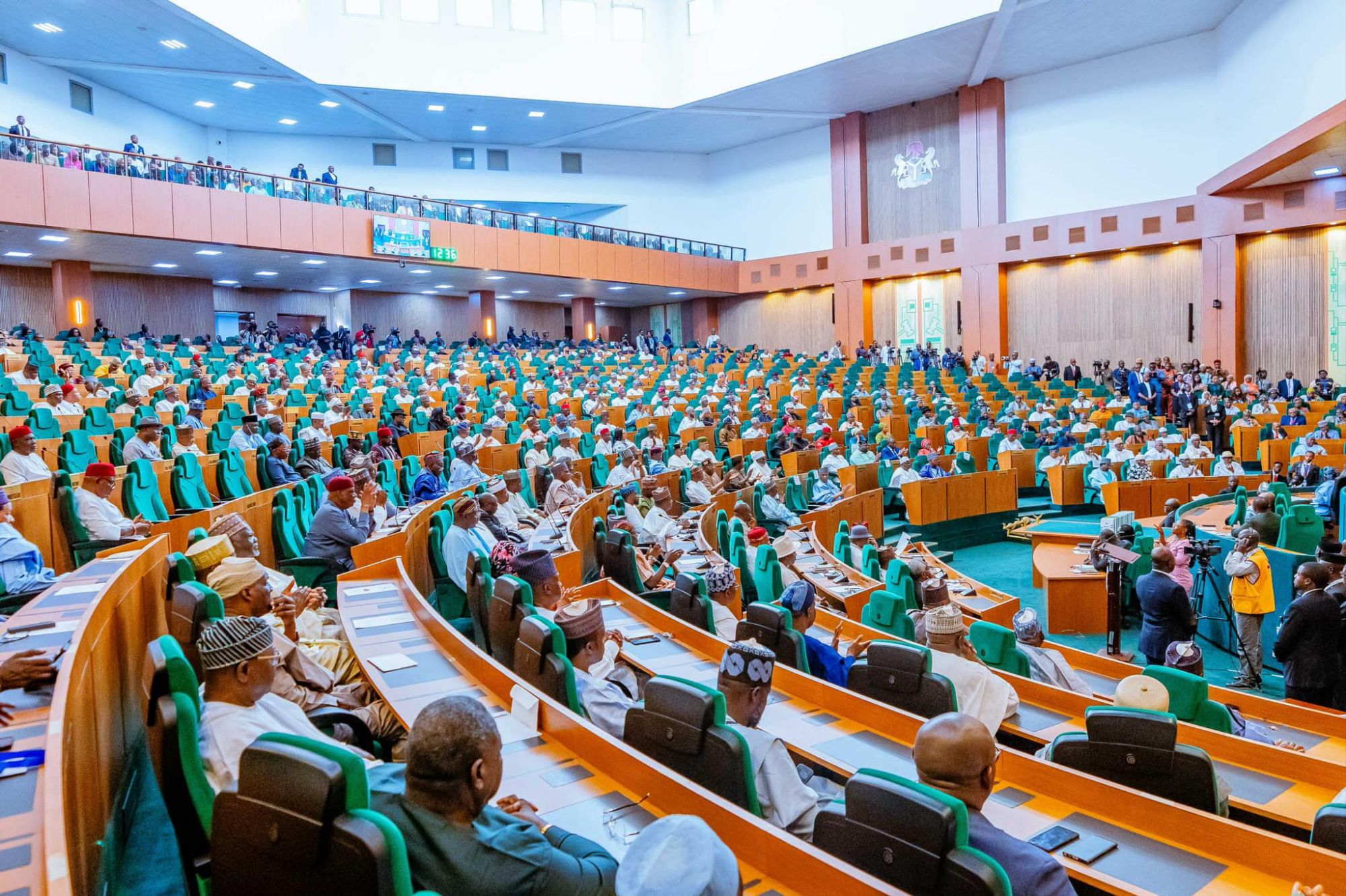
The House of Representatives has initiated moves to investigate growing concerns over politically motivated attacks, intimidation and violent disruptions of political gatherings across Nigeria as preparations for the 2027 general elections gather momentum.
The decision followed mounting concerns among lawmakers that recurring incidents of violence at political events could threaten democratic participation, endanger lives and create an atmosphere of insecurity ahead of the next electoral cycle.
At its sitting on Thursday, the House mandated an ad hoc committee to examine the circumstances surrounding reported attacks on political gatherings, identify the factors responsible and recommend appropriate measures to prevent further occurrences.
The committee, which will be chaired by the House Leader, Julius Ihonvbere, has been given three weeks to complete its assignment and submit its findings to the House.
Its membership will include the Minority Leader, Fred Agbedi, alongside the chairmen and deputy chairmen of the House Committees on Police Affairs and National Security and Intelligence. Two additional lawmakers will also be selected from the respective committees.
The resolution was reached after lawmakers considered a motion sponsored by Agbedi and 16 other members, drawing attention to incidents in which political meetings, rallies, processions and other legitimate party activities were allegedly disrupted through violence.
While presenting the motion on behalf of the sponsors, Agbedi maintained that political disagreements should never provide justification for assaulting individuals, destroying property or preventing citizens from exercising their democratic rights.
He stressed that the protection of political activities should not depend on the identity or affiliation of those involved, insisting that violence against supporters of any political party must be condemned without discrimination.
The lawmaker further argued that allowing such incidents to continue unchecked could discourage citizens from attending political programmes, participating in party activities or openly expressing their political preferences.
To support the motion, Agbedi referred to Section 40 of the 1999 Constitution, as amended, which guarantees Nigerians the freedom to assemble and associate with other individuals. The provision also protects citizens’ rights to establish or belong to political parties and organisations.
He noted that these constitutional guarantees would have little practical meaning if individuals continued to face threats, attacks and intimidation whenever they gathered to participate in lawful political activities.
Agbedi also invoked the constitutional responsibility of government to protect the lives and welfare of citizens, describing the safety of Nigerians as a fundamental obligation that must extend to individuals participating in political engagements.
He consequently urged the House to exercise its investigative powers under Section 88(1) of the Constitution, which authorises the National Assembly to conduct inquiries into matters within its legislative jurisdiction and examine the activities of public institutions responsible for implementing existing laws.
The Minority Leader identified several incidents across the country that informed the lawmakers’ concerns.
Among them was the disruption of political meetings in Enugu State on September 12, 2026. According to the account presented to the House, the police reported that two people sustained injuries during the incident, while another individual was allegedly killed.
He also referenced an attack involving APC supporters travelling to a political rally in Katsina State on October 28, 2026. Fourteen suspects were reportedly arrested by security operatives in connection with the incident.
Another case highlighted was the reported assault on an APC rally in Lafia, Nasarawa State, on November 4, 2026, where several participants were said to have sustained injuries following the disruption of the gathering.
Agbedi further drew attention to violence during a political procession in Asaba, Delta State, on November 7, 2026. The police reportedly confirmed that one person lost their life, while five others sustained injuries.
According to the lawmaker, these developments point to the need for urgent intervention before political disagreements escalate into more serious security challenges as the country approaches another election year.
He warned that attacks on political gatherings could have consequences beyond the immediate victims, particularly if fear and intimidation begin to influence citizens’ willingness to participate in democratic activities.
The Minority Leader maintained that political violence, destruction of property and threats against party supporters could weaken public confidence in Nigeria’s democratic institutions if those responsible were not identified and held accountable.
He, however, cautioned against reaching conclusions about individuals or political groups allegedly connected to the incidents without first establishing the facts.
Agbedi insisted that every allegation must be subjected to an independent, comprehensive and evidence-based investigation to determine the circumstances of each incident and establish responsibility.
He also appealed to political parties, candidates and their supporters to exercise restraint throughout their campaigns, avoid provocative statements and discourage actions capable of triggering confrontations.
He urged political actors to work with security agencies to maintain peace, protect lives and ensure that Nigerians can freely attend political meetings, rallies and other lawful engagements without fear of intimidation or attack.
With the three-week deadline given to the ad hoc committee, the House is expected to examine the reported incidents, determine possible security and institutional failures, and identify measures that could help prevent politically motivated violence before, during and after the 2027 general elections.
About The Author
