The US strikes Iran on Friday, June 26, 2026, in a retaliatory operation after an Iranian drone targeted a commercial cargo ship near Oman’s coast. Both Washington and Tehran say the other broke the ceasefire agreed just one week earlier.
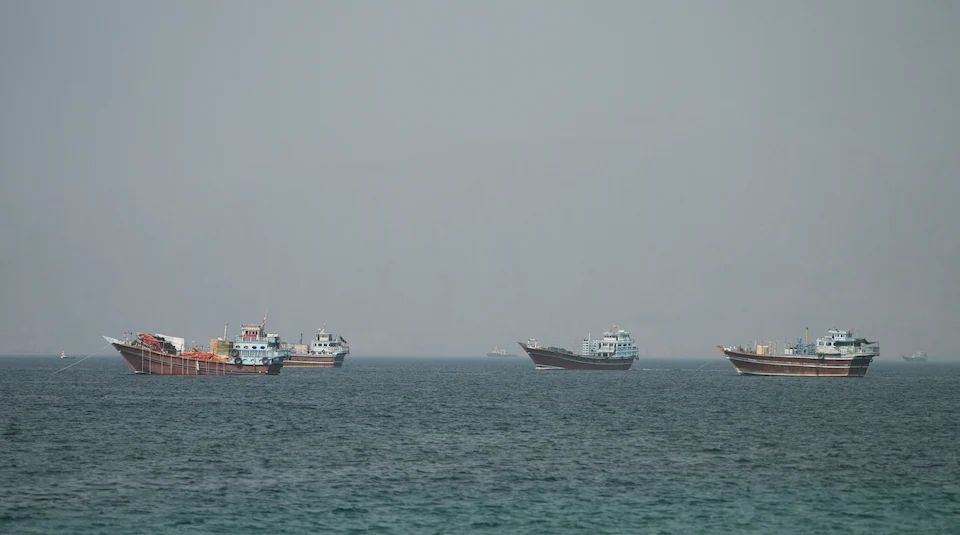
The exchange of fire centered on the Strait of Hormuz, a choke point that moves about 20% of the world’s oil and LNG, and has now pushed markets, militaries, and diplomats back into crisis mode.
According to U.S. officials, the operation was limited, precise, and already complete, while Tehran said it hit back the same day. With statements flying from the White House, Tehran, and Gulf capitals, the Strait of Hormuz conflict is again the main flashpoint for global energy security.
The Timeline: How the Strikes Unfolded
US Military Strikes on Missile and Radar Sites
U.S. Central Command said American aircraft struck multiple targets inside Iran on Friday morning, focusing on missile storage, drone depots, and coastal radar sites along Iran’s southern coast. CENTCOM published a grainy black-and-white video it labeled “unclassified” showing a large explosion at one of the sites, and a U.S. official told reporters the mission was over within hours.
CENTCOM’s statement was direct, saying “The unwarranted aggression against commercial shipping by Iranian forces clearly violated the ceasefire,” and it called the strikes “a powerful response to yesterday’s attack on a commercial ship that was transiting the Strait of Hormuz.”
Vice President JD Vance, now a lead administration voice on the conflict, posted on X that “Iran signed a ceasefire agreement. We have honored it. If they have disagreements about how the MOU is being applied, they can pick up the phone. But violence will be met with violence.”
Vance had previously been seen as a skeptic of U.S. intervention in Iran, but he has become the administration’s point person as tensions rise. The U.S. Navy also said it will continue “safe passage coordination and support” for commercial vessels moving through the strait, signaling that American forces intend to stay active in the area despite the risk.
Iran’s Response: The Sirik Port Attack Claims
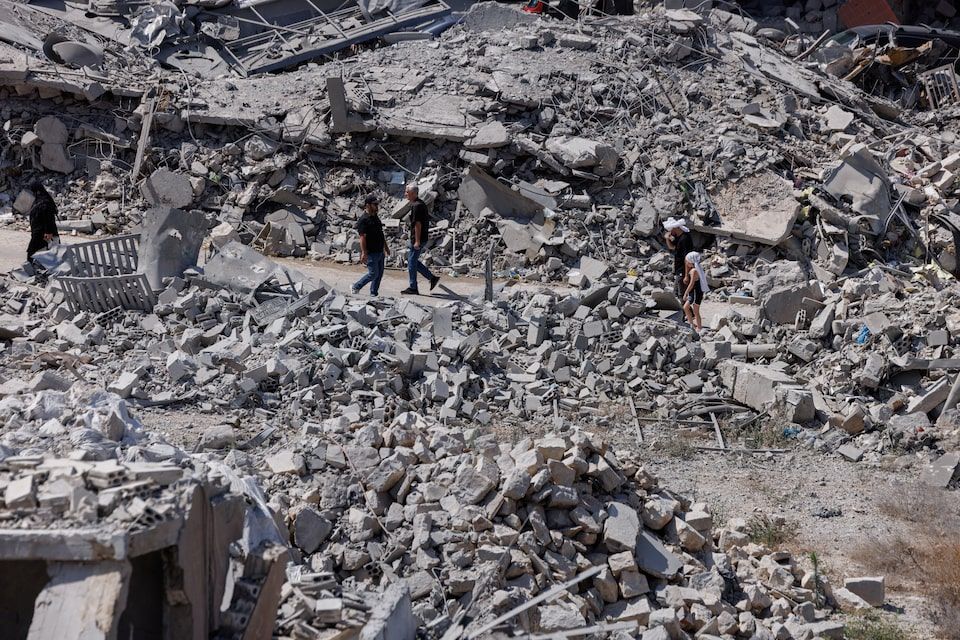
Iranian state media reported that a projectile hit the area around a pier in Sirik, a port city in southern Iran, with an unnamed military source saying the blast was heard across the city. The source claimed Iranian naval forces had earlier fired warning shots and two missiles toward vessels that violated Strait of Hormuz regulations near the Karpan area.
Hours after the U.S. strikes, Iran’s Revolutionary Guards issued a statement carried on state TV saying the navy “struck the locations where the terrorist U.S. military is stationed in the region.” The Guards added, “However, the United States, by provoking various fronts, sought to violate this commitment, and the necessary response was given and will continue to be given. If the aggression is repeated, our response will be broader than this.”
Tehran did not release details of what U.S. targets may have been hit. On Saturday, Iran’s Mehr news agency cited the head of ports in eastern Hormozgan province saying there was “no damage to the port of Sirik” and that operations were normal with “no damage reported to facilities and equipment.”
The conflicting accounts from both sides have made it difficult to verify the scale of damage from the Sirik port attack, but the rhetoric alone has already shifted market and military calculations.
The Political Fallout: Ceasefire, Accusations, and Diplomacy
Iran US Ceasefire Violation: Who Broke It First?
The core dispute is the interim memorandum of understanding signed last week. President Donald Trump blamed Iran for the cargo ship attack and said it violated the deal, while CENTCOM repeated that “The unwarranted aggression against commercial shipping by Iranian forces clearly violated the ceasefire.”
Tehran sees it differently. Iranian officials said the ceasefire gave Iran control over ship traffic in the strait, and they argued the U.S. “provoked various fronts” and therefore forced Iran’s hand. Ebrahim Azizi, head of the Iranian parliament’s national security committee, wrote on X that “This reckless violation of the ceasefire will, as always, lead to retreat and regret on their part.”
The back-and-forth shows how fragile the truce was. Both sides accuse the other of testing limits, both say they are acting in self-defense, and both are now using military force to make that case. This Iran US ceasefire violation narrative is now driving headlines and policy briefings across the region, with each capital trying to frame the other as the aggressor.
Regional Diplomacy: Israel-Lebanon Deal and Gulf Messaging
Away from the Gulf, there were signs of parallel diplomacy. Israel and Lebanon signed an initial agreement to end four months of fighting between Israel and Iran-backed Hezbollah. The deal calls for Hezbollah to disarm and for Israel to withdraw troops from Lebanon. Both sides framed it as a first step, but enforcement remains unclear, and Hezbollah publicly said it would not cooperate.
In the Gulf, U.S. Secretary of State Marco Rubio wrapped up a tour to reassure allies about the interim pact. He issued a joint statement with the Gulf Cooperation Council calling for “free, unconditional, and unrestricted navigation” in the strait, with no tolls or “attempts to assert control.” Iran pushed back quickly.
The Foreign Ministry said the strait should be governed by Iran and Oman, while Ali Akbar Velayati, a top adviser to Iran’s supreme leader, warned Washington’s Gulf partners that their survival depended on “Tehran’s tolerance.” The competing messages highlight how the Strait of Hormuz conflict is now being fought as much in diplomatic statements as on the water.
Energy and Trade: Why the Strait Matters Now
Gulf Oil Prices React to the Sirik Port Attack
Markets moved before the latest strikes. Oil prices fell about 3% on Friday as tankers exited the Strait of Hormuz, with traders citing fear of disruption in the narrow waterway that handles roughly one-fifth of global crude and LNG flows.
Saudi Aramco resumed crude loadings at Ras Tanura, the world’s largest oil terminal, after a nearly four-month halt, and shipping data showed activity picking up there. Fertilizer shipments through the strait also increased, which analysts said could ease pressure on global food prices.
The Gulf oil prices drop reflected relief that trade was still moving, but the new strikes complicate that picture. If insurance rates rise or more tankers avoid the area, costs could climb again quickly. Energy analysts are now watching vessel tracking data day by day to see whether the Sirik port attack leads to a sustained diversion of traffic or remains a one-off escalation.
Commercial Shipping and Navigation Risks
The initial trigger was the drone strike on a cargo ship traveling near Oman’s coast on Thursday. Trump linked that attack to Iran, and CENTCOM said the ship was “transiting the Strait of Hormuz” under normal commercial rules. Iran’s military source claimed some vessels had violated local regulations five hours before the Sirik incident, though that claim has not been independently verified. What is clear is that crews, insurers, and shippers are now recalculating risk in real time, and many are requesting additional security escorts for transits.
Military Messaging: Deterrence vs. Escalation
“Violence Will Be Met With Violence”
Vance’s line has become the administration’s public stance, signaling deterrence to Tehran and reassurance to U.S. partners. It also sets a low threshold for further action if another commercial ship is hit. Iran’s Guards used similar language in their own statement, warning of a “broader” response if U.S. attacks repeat, which is meant to raise the cost of escalation. The result is a classic deterrence loop where each side tries to show it will not back down, while also saying it prefers the other side to de-escalate first.
The Role of the Revolutionary Guards
The Revolutionary Guards are central to Iran’s maritime posture. They operate fast boats, coastal missiles, and the warning systems Tehran cites in Strait incidents.
Their statement that Iran has control over ship traffic is a claim of authority over the waterway, which Washington and GCC states reject. Military observers note that the Guards’ ability to coordinate rapid responses near Sirik gives Tehran leverage, but it also increases the chance of miscalculation if warning shots are misread at sea.
What Comes Next: Three Scenarios to Watch
1. De-escalation Through Back Channels
The Israel-Lebanon deal shows talks are still possible even during active conflict. Rubio’s Gulf tour and the GCC statement suggest diplomacy is running alongside military signaling. If both sides use the MOU’s phone-line option Vance mentioned when he said they can “pick up the phone,” a pause is possible. Regional mediators have reportedly offered to host technical talks on shipping safety rules to reduce friction in the strait.
2. Limited tit-for-tat Strikes
The current pattern looks like calibrated responses: a ship is hit, then a site is hit, then a statement is issued. The risk is miscalculation. A strike that hits personnel, or a missile that misses its intended target, could push both sides past limited action. U.S. officials have emphasized that Friday’s strikes were precise, but Iranian officials have said any repeat will trigger a larger response, which keeps the threshold for escalation low.
3. Wider Strait of Hormuz Conflict
If tankers are targeted repeatedly, insurers may pull coverage. If that happens, fewer ships will transit, and Gulf oil prices will likely spike. That scenario would force outside powers, including China and India, to engage more directly because of energy dependence. Shipping associations have already warned members to review contingency plans, and some carriers are considering longer routes around the Arabian Peninsula to avoid the narrowest parts of the strait.
Read also; Russia Baltic provocation threat grows as Nato allies sound alarm on eastern flank
Why This Matters for Global Readers
The Strait of Hormuz is not a regional issue only. It is a global economic artery. A disruption there affects fuel prices, shipping costs, food imports, and inflation from Lagos to London. The Sirik port attack and the U.S. response show how quickly a single incident at sea can become a wider crisis, especially when both sides are already accusing each other of breaking agreements.
At the same time, the Israel-Lebanon agreement and Rubio’s GCC meetings show that diplomacy has not stopped. The next 72 hours will likely determine whether the Iran US ceasefire violation accusations lead to more strikes, or to a renewed attempt at guardrails. For now, the world is watching the strait, the statements, and the oil tickers, because in this corridor, a single decision can move markets, militaries, and millions of people at once.
About The Author