Tehran accuses US of trying to seize Iran’s oil as tensions rise across the region, with Iranian officials claiming that the United States is deliberately targeting the country’s energy infrastructure to weaken its economy and gain control over its oil resources.
The strikes, carried out alongside Israel, have sparked explosions in major cities and heightened fears of further escalation.
Iran’s political and military leadership has pledged loyalty to newly named supreme leader Mojtaba Khamenei following the killing of his father, Ali Khamenei, framing the appointment as essential for maintaining national stability amid the conflict. Officials say this move ensures continuity of authority and a united front against foreign attacks.
Explosions have been reported across Tehran and the religious hub of Qom, with residents describing loud blasts, building tremors, and emergency crews rushing to affected areas.
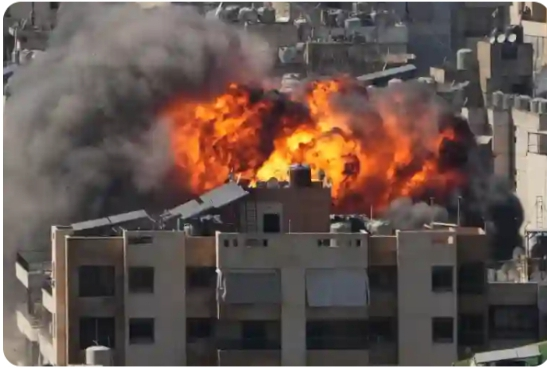
Smoke from damaged fuel depots and other facilities has spread across urban districts, creating hazardous air conditions and raising concerns about environmental and public health risks.
Foreign Ministry spokesman Esmaeil Baghaei said the attacks were aimed at “weakening our sovereignty and taking illegal possession of our oil riches,” highlighting what Tehran describes as a clear economic motive behind the strikes.
Officials insist that, despite the ongoing bombardment, national unity remains strong and the population is prepared to resist foreign attempts to undermine the country.
The impact on global oil markets has been immediate. Prices have surged more than 25 percent to levels not seen since mid-2022, driven by fears of supply disruptions and uncertainty about the security of tanker routes in the Gulf region.
Analysts warn that continued attacks on infrastructure could cause long-term volatility in international energy markets.
Military sources have confirmed further casualties among foreign forces operating in the region, prompting renewed debates about the human cost of the conflict.
US President Donald Trump attended a memorial ceremony for fallen troops, stating that the United States remains committed to defending its interests despite rising battlefield losses.
Travel and commerce across the region have also been affected. Airlines have cancelled flights and disrupted airspace management due to safety concerns, while humanitarian organisations warn that damaged roads and infrastructure are hindering delivery of food, medical supplies, and emergency aid to civilians caught in conflict zones.
International observers have called for restraint, emphasising that further escalation could destabilise the wider Middle East and have ripple effects on the global economy.
Analysts note that control over energy resources is a central strategic factor in the conflict and that disputes over oil facilities will continue to drive rhetoric and military action.
Despite the destruction and economic pressures, Iranian officials insist the country’s energy network and strategic infrastructure will remain resilient. Civil defence coordination and military surveillance have been strengthened, and leaders emphasise that protecting national resources is a top priority.
The conflict has also intensified digital and media narratives, with citizens reporting shortages, disrupted services, and heightened anxiety. Officials caution against misinformation, encouraging reliance on verified statements from government sources.
As tensions continue, Tehran Accuses US of Trying to Seize Iran’s Oil remains the central claim framing both the domestic response and international discussion.
Global attention is focused on whether diplomatic efforts can mitigate the human, economic, and environmental fallout of the strikes while ensuring regional stability.
Regional security analysts warn that the ongoing airstrikes could trigger wider instability across neighbouring countries.
Border nations are reviewing military readiness and emergency response plans, while maritime authorities continue monitoring key shipping lanes for potential threats to international trade and oil transport.
Any miscalculation could escalate the conflict beyond Iran’s borders, affecting both civilian populations and global supply chains.
Read also:Ukrainian drone experts sent to Middle East for Patriot Missiles
Economic experts also caution that prolonged attacks on Iran’s energy facilities may prompt long-term shifts in global energy markets.
Companies and investors are likely to reassess supply routes, diversify sources, and accelerate investment in alternative energy infrastructure to reduce dependence on conflict-prone regions. Analysts say that even temporary disruptions could increase costs for businesses and consumers worldwide.