The spokesperson of the Nigeria Police Force, Force Headquarters Annex Lagos, Nkeiruka Nwode, has publicly addressed claims made by activist and Sahara Reporters publisher, Omoyele Sowore.
The allegations, which have been widely circulated on social media, describe Nwode as allegedly involved in criminal activities linked to organ harvesting and judicial misconduct.
Nwode has firmly rejected the claims, calling them false and reiterating that similar allegations were previously investigated by the Nigeria Police Force in 2023.
Sowore had earlier appealed to the newly appointed Inspector-General of Police, Tunji Disu, to investigate Nwode, a Chief Superint
endent of Police. According to his statement, Nwode was allegedly involved in a police-linked organ-harvesting network and had purportedly collaborated with judicial officials to wrongfully imprison whistleblower Nnamdi Emeh.
Sowore claimed that Emeh, who allegedly exposed the operation, remains detained in Awka under conditions he described as unjust.
He further implicated former Inspector-General Kayode Egbetokun and certain police officers as complicit in what he called a miscarriage of justice.
In response, Nwode stressed that she normally refrains from engaging with online allegations or speculative reports.
However, she said she felt compelled to speak out because her name had repeatedly been tied to serious and unverified claims.
She highlighted that the Nigeria Police Force had conducted a full investigation into similar accusations in 2023 and found no evidence of organ harvesting, misconduct, or any wrongdoing on her part.
“For clarity, the NPF carried out a comprehensive and thorough investigation in 2023 regarding these claims,” Nwode said.
“The outcome confirmed that there was no verified evidence of organ harvesting and no link between me and any alleged criminal activity.”
She added that the results of this investigation remain on official record and have not been disputed by any credible authority.
Nwode also noted that Sahara Reporters, the media platform run by Sowore, had previously reported on the investigation and acknowledged that no evidence was found against her.
She expressed surprise that she first learned about the official police report clearing her name through the same media outlet on February 24, 2026, alongside the general public.
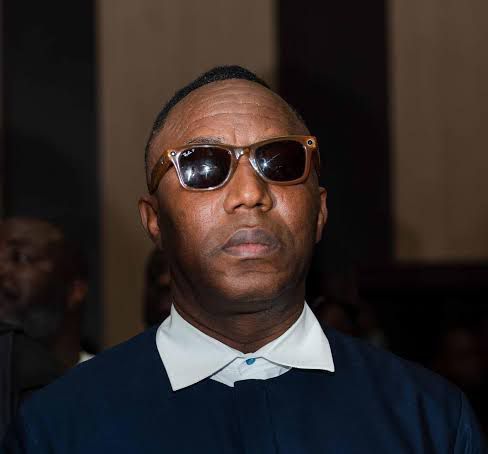
The police spokesperson criticized the depiction of her photograph alongside that of Sowore, describing it as “unfair and absurd.”
She stated that the repeated association of her image with unverified allegations has caused significant distress and reputational harm to both her and her family.
Nwode emphasized that she remains focused on her professional responsibilities and will not be distracted by attempts to revive previously addressed claims.
“The truth has been fully documented, and anyone interested in fairness and due process can verify the facts,” Nwode said.
“In every circumstance, the rule of law must prevail, and institutional processes must be respected.”
Sowore’s allegations, according to Nwode, fail to acknowledge the outcome of the 2023 investigation, which found no wrongdoing on her part.
She reiterated that the Nigeria Police Force remains committed to transparency, accountability, and the protection of whistleblowers, while maintaining that false claims can harm both individual reputations and public trust in law enforcement.
Despite the controversy, Nwode stated that she bears no personal grudge against Sowore and continues to regard him with respect.
“I trust that fairness, truth, and due process will always prevail,” she added.
Legal analysts note that the situation underscores the importance of verified evidence and due process when dealing with serious allegations in public discourse.
While Sowore’s activism and media presence have brought attention to alleged misconduct in law enforcement, experts emphasize that investigations must follow procedural fairness and judicial oversight to maintain credibility.
The episode also raises questions about the responsibility of media platforms to report accurately, particularly when allegations can affect individual reputations.
By reporting the previous investigation clearing Nwode, Sahara Reporters itself acknowledged that there was no substantiated link between the spokesperson and the alleged crimes.
Observers suggest that the public should carefully distinguish between allegations and verified findings.
While Sowore continues to raise concerns about police misconduct, the Nigeria Police Force maintains that the matter concerning Nwode has already undergone formal scrutiny and has been resolved according to institutional procedures.
In conclusion, the dispute highlights the tension between activism, media reporting, and law enforcement accountability.
While Sowore remains vocal about issues of justice, Nwode’s official statements clarify that the claims against her have been investigated, and the official records exonerate her of any wrongdoing.
The case serves as a reminder that serious allegations require careful verification, and public discourse should respect evidence-based outcomes to avoid unnecessary harm to individuals and institutions.