

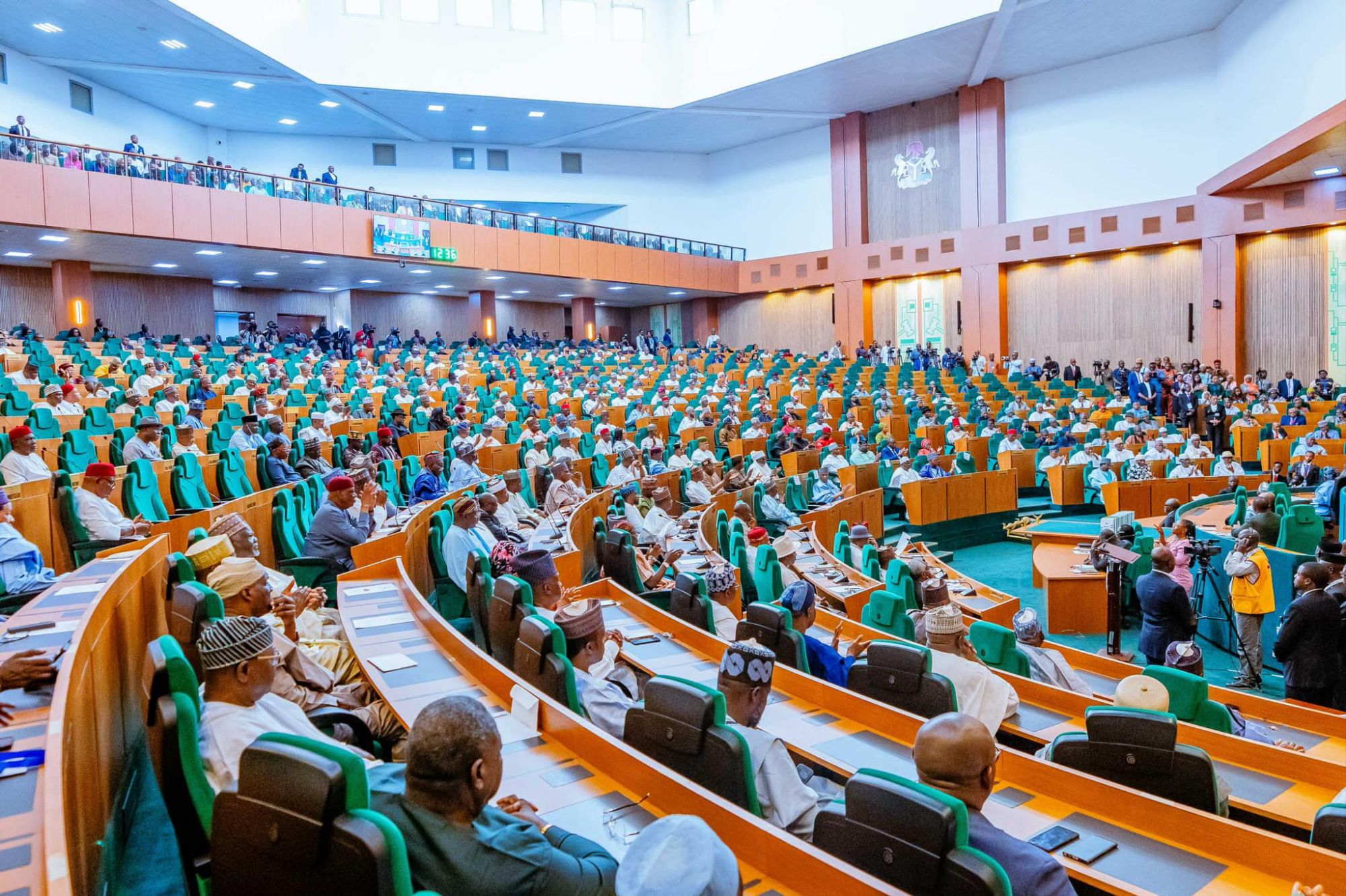
The House of Representatives has initiated moves to investigate the growing incidence of human trafficking across Nigeria, calling for stronger government intervention to dismantle trafficking networks and protect individuals exposed to exploitation.
As part of its resolutions, the House directed attention to the need for more effective implementation of existing anti-trafficking laws, intelligence-driven operations and the prosecution of individuals and groups involved in the illegal trade.
Lawmakers also stressed that efforts to tackle the menace must go beyond arresting perpetrators, insisting that rescued victims should receive adequate medical attention, psychological counselling, legal support, rehabilitation and assistance to rebuild their lives.
The Green Chamber further called for targeted interventions to address the conditions that make people susceptible to traffickers, identifying poverty, unemployment, limited educational opportunities and the exploitation of displaced persons as some of the factors contributing to the problem.
The resolutions followed the adoption of a motion sponsored by Hon. Dominic Okafor, who represents Aguata Federal Constituency of Anambra State, during Wednesday’s plenary session.
Presenting the motion, Okafor drew attention to the widespread nature of human trafficking, describing it as a serious violation of fundamental human rights that strips victims of their freedom, dignity and personal security.
He explained that the crime involves the recruitment, movement, transfer, concealment or receipt of individuals through threats, force, deception, coercion and abuse of vulnerable circumstances for exploitative purposes.
According to the lawmaker, trafficking in persons has evolved into a major national and international security and humanitarian challenge, with women, children and economically disadvantaged individuals bearing a disproportionate share of its consequences.
He identified commercial sexual exploitation, forced labour, domestic servitude, compulsory begging, organ harvesting and other forms of degrading treatment as some of the abuses suffered by victims.
Okafor further observed that worsening economic conditions, insecurity, unemployment, displacement, irregular migration and the activities of organised criminal groups have created opportunities for traffickers to prey on Nigerians facing difficult social and financial circumstances.
He expressed concern that many victims are lured into trafficking arrangements through attractive but fraudulent offers of employment, educational opportunities, marriage proposals and promises of better living conditions abroad.
Rather than receiving the opportunities promised to them, such individuals often end up in situations involving forced labour, sexual exploitation, physical violence, psychological suffering and, in extreme circumstances, loss of life.
The lawmaker also warned that trafficking syndicates have established networks that operate across state boundaries and international borders, making it difficult for law-enforcement authorities to track their activities and bring those responsible to justice.
He attributed some of the challenges to poorly secured borders, inadequate public sensitisation, limited cooperation among relevant institutions and difficulties associated with identifying victims and gathering sufficient evidence to prosecute suspected traffickers.
While acknowledging the contributions of the National Agency for the Prohibition of Trafficking in Persons (NAPTIP), the Nigeria Police Force, the Nigeria Immigration Service and other government institutions, Okafor maintained that more resources and institutional support were required to achieve meaningful results.
He specifically highlighted the importance of improved funding, operational equipment, intelligence exchange and stronger mechanisms for identifying and assisting victims.
Okafor also referenced the Trafficking in Persons (Prohibition) Enforcement and Administration Act, 2015, noting that the legislation provides a legal framework for preventing human trafficking, prosecuting offenders and safeguarding those affected by the crime.
Following the adoption of the motion, the House called on NAPTIP and other security and law-enforcement institutions to improve surveillance operations and strengthen cooperation in tracking and dismantling trafficking networks, particularly criminal groups operating across state and international boundaries.
Lawmakers equally urged the Federal Ministry of Education, relevant state ministries, local government authorities, civil society organisations and community leaders to expand public awareness programmes on the tactics employed by traffickers.
The proposed sensitisation campaigns are expected to educate Nigerians about deceptive recruitment arrangements, suspicious employment offers and the dangers associated with irregular migration.
The House also emphasised the importance of reaching communities where poverty, limited access to information and other social challenges expose residents to exploitation.
As part of its legislative response, the Green Chamber mandated its relevant committees to conduct an investigation into the present scale and changing patterns of human trafficking in Nigeria.
The committees are expected to examine the operations of trafficking syndicates, assess the effectiveness of existing enforcement strategies and identify the institutional and operational difficulties confronting agencies responsible for combating the crime.
They are to submit their findings and recommendations to the House within four weeks to guide further legislative action.
The investigation is expected to provide lawmakers with a clearer understanding of the challenges surrounding human trafficking and identify additional measures required to strengthen prevention, prosecution and victim protection across the country.
About The Author
