US President Donald Trump has waived key Russia sanctions and tariffs days before they were due to take effect under a law he signed in September, citing US national interests in a decision that could reshape Washington’s economic pressure on Moscow over the war in Ukraine.
The executive order, released by the White House on Friday, October 16, suspends the implementation of additional economic penalties targeting Russia and countries that continue purchasing Russian oil and gas. The decision comes amid concerns about rising energy prices and the potential consequences of imposing further restrictions on international trade.
The legislation, known as the Lindsey O. Graham Sanctioning Russia and Iran Act of 2026, was designed to increase pressure on Moscow following its full-scale invasion of Ukraine in 2022. However, Trump’s decision to suspend the measures has raised questions about his administration’s approach to Russia and its continuing war against Ukraine.
According to the executive order, the waiver will remain in effect until Trump or senior officials determine that further action is appropriate. The president said he had informed Congress that granting the waiver at this time served the national interests of the United States.
Why Trump Waived Russia Sanctions
The decision represents a significant development in Washington’s efforts to use economic restrictions to pressure Moscow into changing its conduct in Ukraine.
Trump signed the Lindsey O. Graham Sanctioning Russia and Iran Act of 2026 in mid-September. The legislation sought to increase the economic consequences for Russia while introducing potential penalties for countries that continued buying Russian energy products.
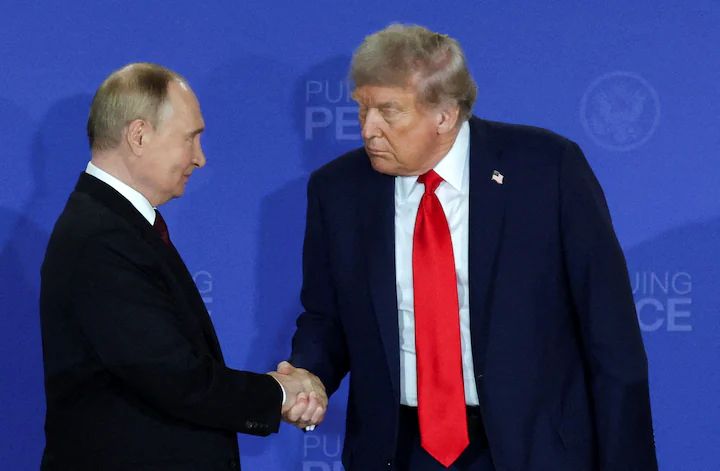
However, the president’s decision to delay implementation comes as his administration faces domestic economic concerns, particularly over the cost of fuel and the wider impact of international conflicts on energy markets.
With the US midterm elections approaching, Republicans are fighting to maintain their narrow control of both chambers of Congress. Higher fuel prices could become a political concern for the administration as households continue to face increased living costs.
The proposed measures risked pushing oil prices higher by introducing additional trade barriers affecting some of the world’s largest purchasers of Russian energy.
The decision therefore places the administration at the centre of a debate over how to balance economic pressure on Russia with the potential consequences for American consumers and international trade.
How the Law Would Have Increased Economic Pressure
The legislation provided for tariffs of up to 100 per cent on goods imported into the United States from countries meeting specified criteria linked to Russian oil and gas purchases.
Under its provisions, the tariffs could apply to goods from the five largest importers of Russian crude oil or gas. The measures could also target countries knowingly purchasing Russian oil or gas 30 days after the law’s enactment, as well as countries among the five largest contributors to efforts to help Russia evade sanctions.
The proposed penalties were intended to make continued purchases of Russian energy more costly and discourage countries from maintaining commercial relationships that could help Moscow sustain its war effort.
The legislation also provided the president with discretion to waive the measures by informing Congress that he had determined their implementation would not be in the national interest.
Trump relied on that provision to suspend the additional measures before their implementation deadline.
The waiver does not necessarily rule out future action. Instead, it allows the administration to reconsider whether and when the additional penalties should be introduced.
China and India Raise Concerns About Russia Sanctions
China and India, two of the largest buyers of Russian oil, have expressed concerns about the potential consequences of the legislation.
Both countries maintain significant economic relationships with Moscow and have continued purchasing Russian energy despite sanctions imposed by Western governments following the invasion of Ukraine.
China has consistently opposed sanctions and trade restrictions that it considers to lack a sufficient basis in international law, particularly measures that extend one country’s domestic laws into the economic activities of other countries.
Beijing said it “consistently opposed long-arm jurisdiction that lacks a basis in international law”.
The statement reflects China’s objections to what it regards as the extraterritorial application of American laws and restrictions. The proposed tariffs could have increased uncertainty for Chinese businesses involved in purchasing Russian energy or exporting goods to the US market.
India has also warned Washington that the proposed tariffs could affect bilateral relations. New Delhi has continued purchasing Russian oil while maintaining diplomatic and commercial ties with the United States.
The proposed penalties could have forced both countries to weigh the economic advantages of Russian energy supplies against the potential costs of additional American tariffs on their exports.
By suspending the measures, Trump has avoided their immediate implementation. Nevertheless, the possibility of future penalties leaves uncertainty over the administration’s approach to countries maintaining energy trade with Moscow.
Democrats Criticise Trump’s Decision
Trump’s decision has attracted criticism from Democratic lawmakers who argue that delaying the measures undermines congressional efforts to increase economic pressure on Russia.
US Representative Don Beyer, a Democrat from Virginia, accused the president of weakening support for Ukraine and disregarding the intention behind the legislation.
“Trump’s latest surrender to Putin again betrays our Ukrainian partners and defies clear congressional intent of legislation designed to punish Russia for its illegal war of aggression,” Beyer said.
His criticism reflects concerns among supporters of a tougher approach towards Moscow that suspending the measures could reduce the economic pressure intended to influence Russia’s conduct in Ukraine.
The legislation had sought to extend the consequences beyond Russia itself by targeting countries that continued purchasing Russian oil and gas under specified conditions.
Supporters of the law argue that restricting Russia’s energy revenues and access to international markets could limit the resources available to sustain its military operations.
However, the waiver demonstrates the administration’s willingness to retain flexibility over the application of economic restrictions, even after Congress approved legislation designed to strengthen the sanctions framework.
The disagreement highlights continuing tensions over the appropriate balance between presidential discretion, congressional authority and Washington’s broader foreign policy objectives.
Previous Diesel Deal Also Draws Criticism
The latest decision follows criticism of a separate agreement involving Russian exports and global fuel supplies.
Trump recently agreed to lift sanctions on Russian exports as part of an arrangement under which Russia would supply diesel to international markets in an effort to lower fuel prices.
The agreement attracted criticism from several US senators, including some Republicans, who questioned whether easing restrictions on Russian exports could provide Moscow with additional revenue.
Read also:Katie Zacharia fired after five days as Trump’s Press Secretary amid credentials controversy
Critics argued that the money generated through Russian energy sales could help finance Russia’s continuing military operations in Ukraine.
The disagreement highlights the competing considerations confronting American policymakers: reducing energy costs for consumers while maintaining economic pressure on the Russian government.
Supporters of easing certain restrictions may argue that increasing fuel supplies could help stabilise international markets. Opponents, however, warn that relaxing sanctions could weaken efforts to restrict the resources available to Moscow.
The diesel agreement and the latest waiver have therefore intensified debate over whether the administration can pursue lower energy prices while maintaining pressure on Russia over the war.
Russia Welcomes the Waiver
Russia has welcomed the suspension of the additional measures.
Kirill Dmitriev, Russian President Vladimir Putin’s investment envoy, described the development as “a truly historic moment” in a post on X.
Dmitriev argued that the legislation could have effectively brought all economic cooperation between Russia and the United States to a halt.
His response indicates that Moscow views the decision as an important development for future economic relations between the two countries, particularly as disagreements over the war in Ukraine continue.
However, the waiver does not mean that all existing American sanctions against Russia have been removed. It concerns the additional measures covered by the new legislation and the proposed penalties targeting countries purchasing Russian energy.
The decision could nevertheless provide Russian energy exporters and their international customers with additional time before facing the consequences envisaged under the law.
It also raises questions about how Washington will coordinate its sanctions policy with allies and other countries seeking to reduce Russia’s ability to sustain its war effort.
What Happens Next?
The immediate effect of Trump’s executive order is to suspend the additional measures while the waiver remains in force.
The legislation allows the administration to reconsider its position if officials determine that implementing the penalties would serve US national interests.
Countries that purchase Russian oil may therefore continue facing uncertainty over future American trade policy, particularly if Washington later decides to activate the proposed tariffs.
China and India will be watching developments closely because renewed implementation could affect their energy purchases and exports to the United States.
Ukraine’s international partners will also be assessing what the decision means for efforts to increase the economic costs of Russia’s invasion.
Read also: Katie Zacharia fired after five days as Trump’s Press Secretary amid credentials controversy
For now, the waiver prevents the new measures from taking effect as originally envisaged. It does not, however, resolve the broader disagreement over how Washington should use economic restrictions to influence Moscow.
The decision places competing priorities at the centre of US policy: maintaining pressure on Russia, limiting energy costs for American consumers and managing relationships with major international trading partners.
Whether the administration eventually implements the additional measures will depend on its assessment of US national interests and the changing diplomatic and economic circumstances surrounding the war in Ukraine.
About The Author