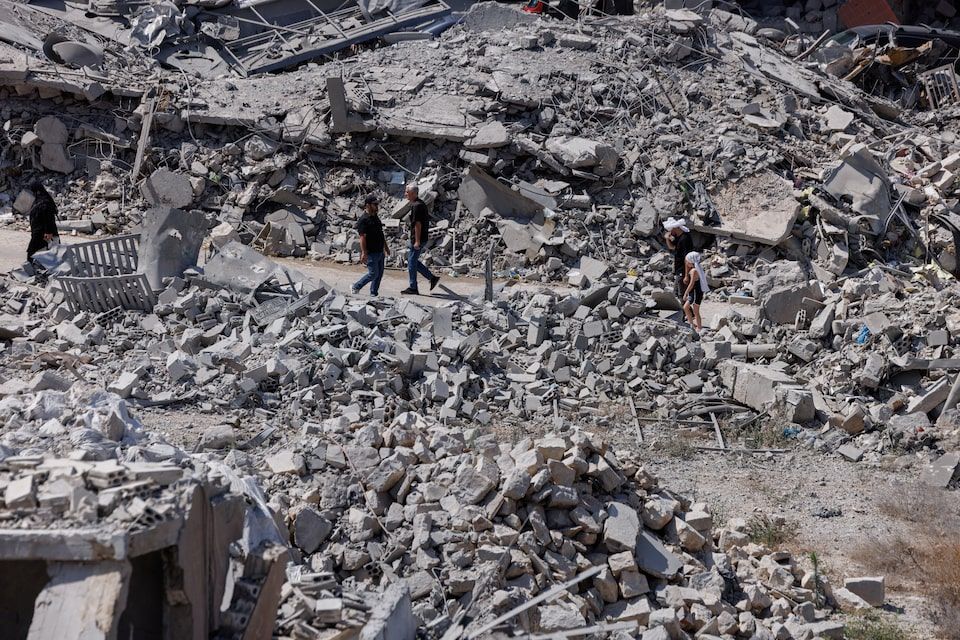
The Europe heatwave 2026 has become the most severe and widespread on record, with scientists saying nearly half of the region’s 850 largest cities are facing unprecedented heat stress. The toll is already human and stark: four toddlers have died in France, more than 55 people have drowned across the country, and the UK has broken its hottest June day record for the third day running.
As temperatures climb past 40°C in multiple countries, health systems, schools, and transport networks are buckling under a heatwave that meteorologists say has been made possible by the climate crisis driven by fossil fuel burning.
Officials across the continent are warning that the crisis is not peaking yet. Forecasts show the extreme heat shifting east, with 150 million people set to face 35C, or 95F, temperatures in central and eastern Europe in the coming days.
France Bears the Brunt: Deaths, Drownings, and Hospital Pressure
France Heatwave Deaths Rise Among Children
France has recorded the most visible fatalities so far. On Friday, a hospital in Marseille confirmed an 18-month-old child had died in emergency care earlier in the week after he was found in a car in a state of hyperthermia. A police source told Le Figaro it was believed the father may have forgotten his son in the car when he was supposed to drop him off at daycare.

Earlier this week, a three-year-old boy in a Paris suburb was found dead after climbing into a car and becoming trapped when the child lock activated. Separately, the bodies of two children aged two and four were found in their family’s car in a residential car park. The string of France heatwave deaths has prompted urgent public warnings about vehicles in extreme temperatures.
The human cost extends beyond children. France’s sports minister, Marina Ferrari, said on Friday that at least 55 people across the country had drowned, up from 40 earlier in the week. She told Franceinfo, “By yesterday night we were at 55, but we fear that the situation may worsen.”
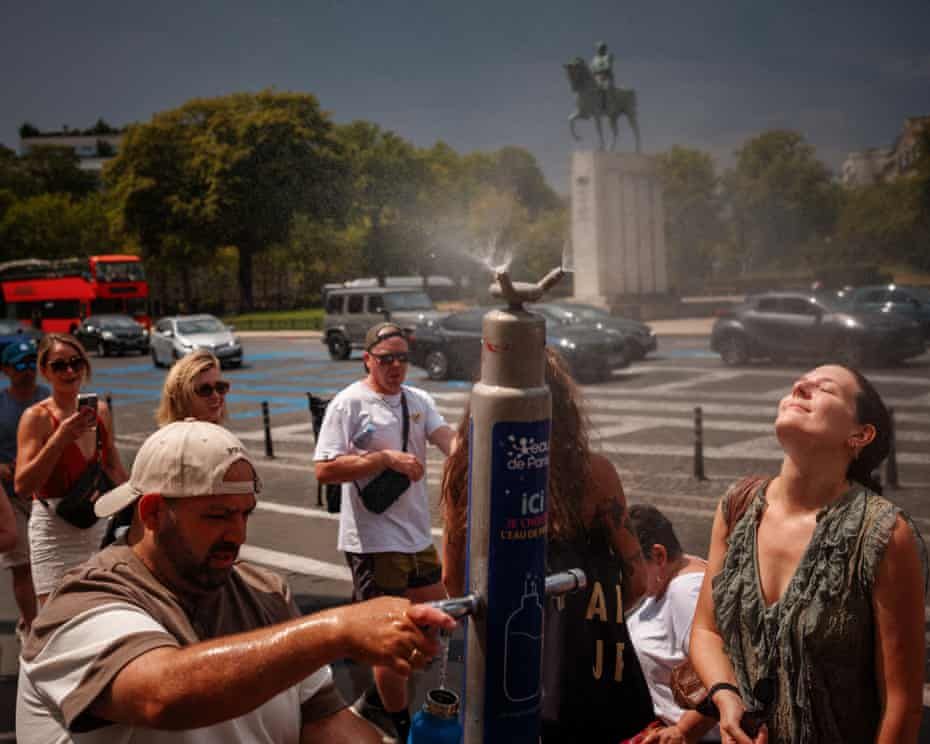
In Paris, where temperatures hit a June record of 40.9C on Wednesday, officials said the health system is nearing capacity. Paris police chief Patrice Faure told BFM TV, “We are reaching a saturation point in hospital facilities,” as he announced a ban on drinking takeaway alcohol in the street.
Patrick Pelloux, head of the Association of French Emergency Doctors, told Reuters, “Fifty-five is enormous. Normally it’s three or four over 24 hours.” He was referring to emergency service deaths in Paris in a single day. France’s health minister, Stéphanie Rist, visited emergency shelters in Paris as the government tried to manage demand.
European Heatwave Health Alerts and Public Restrictions
The response has been rapid and disruptive. Organisers of Paris Pride said they would postpone the event, probably until September, after police warned that thousands of people gathering could increase pressure on emergency services. The Pride march in Lyon and the Solidays music festival were also called off.
In the wider population, heat stress is overwhelming care. France’s red and amber alerts are triggering shelter openings, cooling centers, and new restrictions on public activity. The pattern shows how European heatwave health alerts are now dictating daily life, not just medical protocols.
UK Breaks Records as Infrastructure Fails
UK Hottest June Record Shattered Three Days in a Row
The UK is experiencing its own historic spike. The Met Office said the record for the hottest June day was broken for the third day running. Provisional figures showed 37.3C in Santon Downham, Suffolk, on Friday, beating the 36.7C set on Thursday. The forecaster added, “And temperatures are still rising.”
A Met Office red alert for heat remained in place for an unprecedented third day running for London and south-east England, while an amber alert covered most of central and eastern England. The UK Health Security Agency’s red heat-health alert was extended until 11pm on Friday and covered all of southern and central England, with an amber alert in place for all of England until 9am on Sunday. A red alert means there is a significant risk to life even for healthy people.
Schools, Trains, and Water Under Strain
The impact on infrastructure has been immediate. More than 1,000 schools in the UK have been closed or partially shut this week because poorly insulated buildings, many without air conditioning, overheated. Train passengers were urged to avoid non-essential travel on Friday, with many operators running reduced or slower services. Firefighters continued to tackle a wildfire in Derbyshire affecting about 200 hectares.
Water and power systems are also under pressure. A hosepipe ban came into effect in Kent as South East Water said demand had increased in response to the heat. Late on Thursday, Britain’s energy operator raised the alarm over power supplies needed for air conditioning and fans.
London Ambulance Service said it responded to its highest number of life-threatening emergencies ever on Wednesday, and chief operating officer Craig Harman said he expected “demand to grow day on day over the next couple of days.” The UK hottest June record is therefore not just a statistic; it is translating into closed classrooms, slower trains, and overwhelmed ambulances.
The Climate Context: A Crisis Made Worse by Warming
Climate Crisis Extreme Heat Across the Continent
Scientists say this is not normal variability. The heatwave is the most severe and widespread ever, with nearly half of Europe’s 850 largest cities under unprecedented heat stress. John Kennedy, the World Meteorological Organization’s climate information chief, said Europe had warmed by about 2C in the 50 years since the 1976 heatwave. He noted, “Heatwaves like this are what we expect to see in a changing climate. Extreme heat will occur more frequently, for longer duration and with greater intensity as global warming continues.”
The link to emissions is direct. Researchers said the extreme temperatures have been made possible by the climate crisis extreme heat pattern tied to fossil fuel burning. In the Mediterranean, which is warming 20% faster than the global average, temperatures are not expected to exceed 40C until mid-July, but forecasters predict an exceedingly hot two months once they arrive.
Heat Moves East: Belgium, Netherlands, Germany, Balkans
While France and Britain peaked on Friday, the heat was forecast to intensify in central and eastern Europe. In Belgium, a re-enactment of the 1815 Battle of Waterloo was cancelled. In the Netherlands, officials issued their first-ever red alert for heat and organisers cancelled the four-day Defqon 1 techno festival.
In Germany, extreme heat caused the surface of the A2 motorway to buckle and rupture over several lanes on Thursday. A new national record of 41.3C was reached on Friday near Saarbruecken close to the French border, according to a spokesperson for Germany’s national meteorological service.
Parts of the Balkans were bracing for up to 39C, and Austria’s rail company warned tracks could buckle in the coming days. Budapest Pride said it would go ahead as planned on Saturday despite the highest heat alert, but organisers asked vulnerable people to “support us from home” rather than attend in person.
A Tale of Two Europes: Greece and Cyprus Spared For Now
Farther east, conditions were different. Although temperatures were in the upper 30s in Greece and Cyprus, early Etesian winds brought relief. Heavy rainfall, storms, and even hail were predicted across parts of central Greece late on Friday.
In Athens, tourists could be seen ambling around ruins without the heat alerts seen in western Europe. Authorities there have not yet issued the same warnings, but meteorologists say that window may close as the heat dome shifts.
What Comes Next: Health, Policy, and Adaptation
The Immediate Health Risk
Emergency services are already at a breaking point. In Paris, 55 deaths in emergency care in 24 hours compares with a normal rate of three or four. In London, ambulance demand is rising daily. The core message from health agencies is that red alerts mean risk for everyone, not just the elderly or ill. Public guidance now includes staying out of cars, avoiding alcohol in the heat, and using cooling centers where available.
Policy and Adaptation Pressure
The scale of disruption is forcing governments to adapt quickly. School closures, travel warnings, hosepipe bans, and event cancellations show how European heatwave health alerts are moving from guidance to enforcement. Cities are also under pressure to retrofit buildings, expand shade and misting infrastructure, and plan for recurring extremes. The Guardian recently highlighted “Adapting to the heat: four ideas from European cities,” reflecting a broader policy shift toward heat resilience.
Read also:US strikes Iran 2026: Retaliation in the Strait of Hormuz after cargo ship attack
Why This Matters Now
The Europe heatwave 2026 is more than a weather story. It is a test of health systems, transport, energy, and public behavior under climate stress. With four children dead in France, the UK hottest June record broken three times, and climate crisis extreme heat confirmed by scientists, the event is already shaping how Europe plans for summer.
As the heat moves east, the question is whether infrastructure and communities can hold. For now, the continent is living through what forecasters warned was coming: hotter, longer, and more dangerous heatwaves that will define the next decade.
About The Author