The UK Brexit reversal debate has exploded in 2026, with former PM John Major warning that leaving the EU has harmed every Briton. He says “Brexit has failed” and demands honesty about rejoining, putting pressure on Labour’s likely leader Andy Burnham to act fast now. 😮💨
Why Major Says Brexit Failed 💸
The £100bn Trade Loss Warning
John Major argues the economy is “6 to 8 per cent smaller” due to Brexit, citing Bank of England data. He claims Britain has lost about “£100bn worth of trade each year,” which would have given the Exchequer roughly £40bn annually.
He adds, “if we had that £40bn annually over the last few years, many of the difficult and unpopular decisions that have been taken would not have been necessary.” That’s a direct challenge to both parties. Major insists the Brexit campaign was “a pack of lies,” and the public now sees it. 📉
Politics and Public Mood Shift
Major points to changing electorates, saying young voters “clamour” for a new Europe relationship. He also notes older voters are listening to youth concerns, which cannot be ignored. He warns against extremist parties, calling Reform UK and Restore Britain “modern relics” of 1930s and 1960s movements.
His message is clear: Britain’s future is tied to Europe, socially, culturally, economically, and politically. “John Major speaks for Britain,” he says, urging openness about EU membership benefits. 🗣️
Andy Burnham’s Moment to Act 🚀
From Manchester to No.10
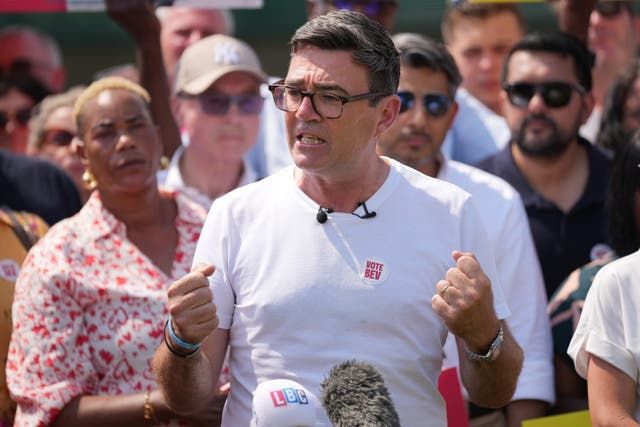
The key question is how Andy Burnham EU single market plans will look if he becomes PM. Burnham brings “deep experience” from Manchester, a city that “led the world in industrial and commercial trade.” Supporters say he must now move Europe back to the centre of British politics.
Michael Heseltine writes that while Keir Starmer took “first faltering steps back to Europe,” Burnham must “seize this chance.” Burnham was a “vehement Remainer” and has spoken of “hope and change,” but now needs a clear Europe plan. 🇪🇺
Labour Europe Policy Under Pressure
Heseltine argues Burnham must not let hope “flounder” on the biggest growth issue. He says closer EU ties could deliver peace and economic dividends. The Independent’s “Europe: The Way Back” series frames this as Labour’s defining test before any election.
Burnham’s team faces jostling over roles, and critics like Farage are already attacking. Yet the public shift is real, with polls showing more voters regret Leave than support it. 🔄
The Case for Britain Rejoining Europe 🌍
Economic Reality Check
The numbers are blunt. Major says the lost £40bn tax each year could have prevented unpopular cuts. He warns “every man and woman in the UK is worse off” after Brexit, and that claim is now central to the John Major Brexit impact argument.
For businesses, the single market means less friction, more investment, and easier hiring. For families, it means cheaper goods and travel. Rejoining is framed as practical, not ideological. 💷
Generational Divide Closing
Young voters who could not vote in 2016 are now the loudest voices for change. Major highlights this shift, saying they want a world “full of opportunities” to compete globally. Older voters, he adds, are also engaging with that energy.
That coalition could reshape Labour’s mandate. If Burnham channels it, he could turn Britain rejoin Europe from a slogan into policy. The youth surge is real and growing. 👩🎓👨🎓
Political Risks and Opponents ⚠️
Extremist Party Pushback
Major warns that mistrust in Europe is being stoked by right-wing parties. He says Reform UK and Restore Britain echo past extremism and must be “exposed for what they are.” Labour will need to fight that narrative hard.
The risk is culture-war framing. If Europe is sold only as economics, opponents will attack identity. Labour must pair data with values, or the debate will stall again. 🛡️
Starmer’s Faltering First Steps
Heseltine says Starmer’s initial moves toward Europe were timid. Burnham is expected to be bolder, using Manchester’s trade legacy as proof. But boldness brings scrutiny, especially on immigration, rules, and sovereignty.
The Labour Europe policy must be specific: customs union, single market, or full membership? Voters want clarity, not slogans, before any referendum or negotiation. 📋
What Happens Next? ⏳
Five-Year Rejoin Timeline
Major’s challenge is explicit: “Britain must rejoin the EU single market in five years.” That timeline forces Labour to publish a roadmap quickly. It means audits, business engagement, and EU talks starting early in government.
Without a timeline, sceptics will say it’s talk. With one, Burnham can claim seriousness and hold opponents to account on costs. The clock starts if Labour wins. ⏱️
Public Debate Intensifies
The Independent’s newsletter and comment threads show the debate is alive. Readers are arguing economics vs sovereignty daily. Burnham must lead that conversation, not hide from it, or others will define it for him.
If he succeeds, 2026 could be the year the UK pivots back. If not, Brexit’s economic drag continues. The stakes are high for every household. 🇬🇧
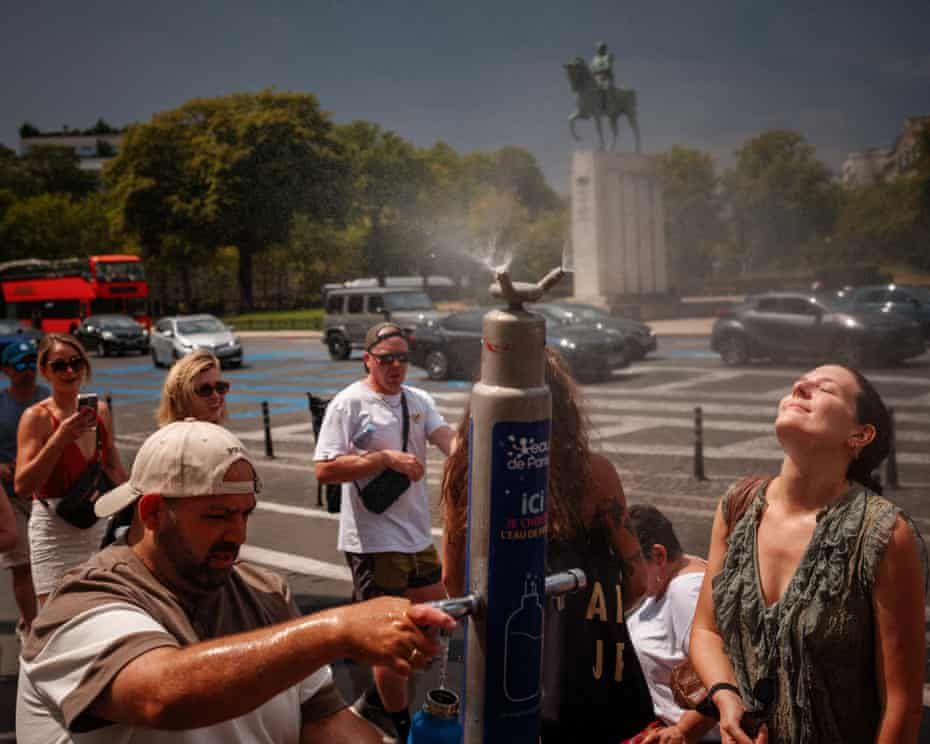
Read also: Europe heatwave 2026: Record temperatures kill four toddlers in France as UK hits hottest June
Why This Matters to You 🏠
Cost of Living Link
Lower trade means higher prices and fewer jobs. Major’s £40bn figure is a health, schools, and wages argument. Rejoining the single market is pitched as a cost-of-living fix, not just diplomacy.
That message lands hardest with families. If Labour proves it, support will grow fast. If not, voters will stay wary. 💡
Global Britain Reality
No medium-sized nation competes alone today, Major argues. The EU, US, and China set rules. Britain needs scale. The single market offers that scale without losing identity.
Burnham’s task is to make that case simply. “Hope and change” must mean jobs, cheaper bills, and travel. Voters will judge him on results, not rhetoric. ✅
About The Author