Sir Keir Starmer faced rebellion within Labour as over a dozen MPs sided with Liberal Democrats, pushing for renewed UK-EU customs union talks. Tensions exposed party fractures.
The rebellion followed a bill from Lib Dem spokesperson Al Pinkerton, urging negotiations with the EU. Thirteen Labour MPs defied the leader, forcing a tie that allowed further debate.
Starmer reiterated that Labour would not rejoin the EU customs union. He cited recent trade deals with the US and India, prioritising independent UK trade relationships abroad.

“The manifesto pledge remains clear,” Starmer said. Labour intends to deepen economic cooperation without formal EU membership, aiming to strengthen ties while honouring commitments to voters.
The Commons vote revealed internal discord. Deputy speaker Caroline Noakes broke a 100-to-100 tie, supporting further discussion. While symbolic, the bill pressures the government on Brexit policies.
Meanwhile, Chancellor Rachel Reeves condemned Budget leaks as “extremely damaging.” The pre-announcement leak of fiscal plans caused public speculation and undermined government credibility ahead of her November statement.
Reeves confirmed the Office for Budget Responsibility chairman, Richard Hughes, resigned. She emphasised an ongoing inquiry, warning that unauthorised disclosures cannot be tolerated, and official safeguards must prevent recurrence.
Starmer is also pursuing migration reforms, seeking to review how the European Convention on Human Rights addresses illegal migration while maintaining citizens’ rights and upholding the legal framework.
Foreign Secretary Yvette Cooper will meet European counterparts to enhance border security, improve migrant returns, and explore cooperative solutions, aligning UK measures with European strategies on channel crossings.
The Council of Europe agreed to examine ECHR applications in migration cases. Forty-six member states signed a political declaration aimed at reducing migrant smuggling effectively while protecting human rights.
Secretary-General Alain Berset described the initiative as a starting point for consensus-based action. Legal frameworks, he said, must adapt to unprecedented migration challenges while safeguarding democratic principles.
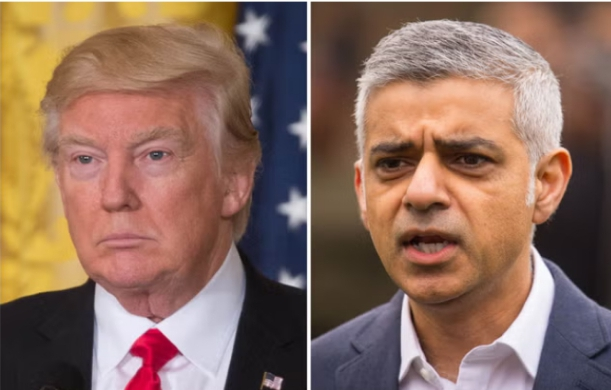
Starmer defended London Mayor Sadiq Khan against Donald Trump, who called him “disgusting, vicious, and horrible.” Starmer praised Khan’s record on housing, schools, and air quality achievements in London.
Downing Street rejected Trump’s claim that Khan’s election was linked to migrant votes. Officials stressed the mayor’s popularity stems from policy performance rather than demographic changes or immigration dynamics.
Labour faces political challenges in Scotland. Ipsos Mori polls indicate the SNP leads at 35%, Reform UK rises to 18%, and Scottish Labour declines to 16%, showing voter shift toward alternatives.
Lord Malcolm Offord’s defection to Reform UK illustrates growing momentum for new political narratives. Scottish voters increasingly seek reform-oriented platforms, signalling potential disruption in traditional party loyalties.
Labour’s rebellion over the customs union highlights a broader internal debate regarding Britain’s post-Brexit identity and European relationships. The issue remains a source of tension within the party.
The Liberal Democrats’ symbolic vote, supported by Labour rebels, signals continued public pressure to reconsider EU engagement. Lawmakers emphasize economic benefits and pragmatic cooperation without reversing Brexit entirely.
Starmer insists the government will strengthen trade ties globally while maintaining constructive relations with Europe. He balances international commitments with domestic political pressures and party cohesion considerations.
Chancellor Reeves’ focus remains on securing confidential fiscal planning. The inquiry into leaks underscores the government’s need for transparency, accountability, and protection of sensitive economic data for public confidence.
Starmer has also suggested revisiting ECHR interpretations to better manage migration. Legislative changes on Article 3 and Article 8 rights could reshape how courts handle family and humanitarian protections.
Cooper’s diplomatic outreach in Brussels aims to enhance intelligence sharing, streamline deportation procedures, and reinforce collective measures for preventing illegal crossings across the English Channel effectively.
The Council of Europe initiative represents a multilateral approach to balancing human rights obligations with practical migration enforcement, reflecting the continent-wide challenge of integrating security with ethical responsibility.
Starmer’s defence of Khan demonstrates commitment to progressive leadership while countering external political attacks. It also reinforces Labour’s domestic credibility in managing London governance issues amid international scrutiny.
Scotland’s evolving political landscape suggests Labour must adapt strategies to regain voter confidence. SNP dominance and Reform UK’s growth highlight challenges for traditional party structures in regional elections.
The customs union debate remains central to Labour’s strategic choices, as balancing manifesto promises with internal dissent tests Starmer’s leadership and influences the party’s credibility on European relations.
Starmer continues to frame Brexit pragmatically, focusing on trade flexibility and global partnerships. Symbolic parliamentary gestures, such as the Lib Dem bill, pressure the party but do not dictate policy reversal.
Labour leadership must navigate domestic policy challenges, migration reform, and trade negotiations simultaneously. The combination of internal rebellion, leaks, and political attacks tests resilience and decision-making capacity.
Read also: Trump blasts affordability hoax, immigrants in Pennsylvania rally
In the coming months, Labour’s approach to EU relations, trade agreements, and migration law will shape public perception. Starmer must reconcile party unity with electoral pragmatism and international expectations.
The Prime Minister’s handling of dissent and policy debates demonstrates a careful approach, balancing ideological commitments with political realities, global obligations, and growing domestic scrutiny.
Starmer’s strategy signals continuity in post-Brexit Britain: independent trade, measured EU cooperation, migration control, and robust defence against political attacks, all while seeking Labour cohesion and public approval.
About The Author