

The Iran-US peace deal 2026 has entered a critical and uncertain stage as conflicting statements from Tehran and Washington deepen confusion over the timing and structure of a proposed agreement. While Donald Trump previously suggested that a formal signing could take place on Sunday, Iranian officials have now firmly dismissed that timeline, stating that no final signing has been scheduled.
The development comes amid heightened global attention on the Strait of Hormuz reopening negotiations, which form a central pillar of the proposed framework. The agreement is being described by US officials as a potential breakthrough in decades of hostility, yet Iranian authorities insist that discussions remain ongoing and sensitive.
At the heart of the Iran-US peace deal 2026 is a fragile balance between diplomatic optimism and political hesitation, with both sides projecting sharply different narratives about progress.
Tehran Rejects Immediate Signing of Iran-US Peace Deal 2026
Iran’s foreign ministry has directly challenged claims made by Donald Trump regarding the immediate signing of the agreement. According to spokesperson Esmaeil Baghaei, the proposed deal will not be signed on Sunday, despite earlier expectations set by Washington.
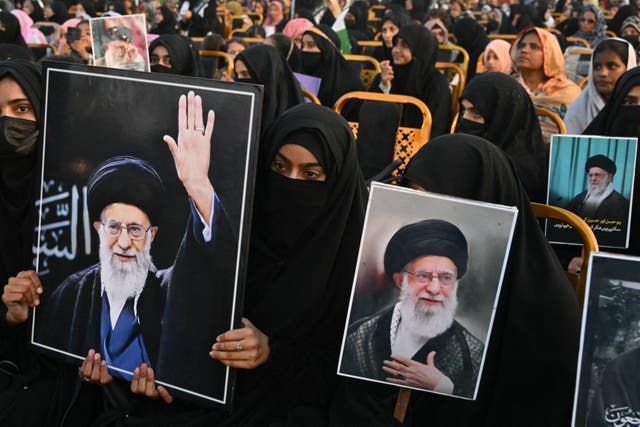
He stated that while discussions continue, the timeline remains open and uncertain, saying the signing could still occur “in the coming days.” This statement has reinforced doubts over the speed at which the Iran-US peace deal 2026 is progressing.
The Iranian position highlights ongoing caution within Tehran’s diplomatic establishment, which remains wary of committing to a fixed timeline without final guarantees on sanctions relief and regional security arrangements.
Trump Maintains Confidence in Iran-US Negotiations
Despite Iran’s hesitation, Donald Trump has continued to present the negotiations as close to completion. He has publicly stated that the agreement is structured and ready for finalisation, framing it as a historic diplomatic breakthrough.
Trump also claimed that once implemented, the Strait of Hormuz would be opened to global maritime traffic, significantly altering regional trade dynamics.
However, his remarks included a stark warning that has drawn global attention. He said that if the process fails, there remains what he described as the “ultimate alternative,” a phrase widely interpreted as a reference to potential escalation options.
This dual messaging has become a defining feature of the current US Iran war update cycle, where diplomatic optimism is repeatedly paired with strategic ambiguity.
Strait of Hormuz Reopening Talks Remain Central to Deal
A key component of the Iran-US peace deal 2026 is the proposed reopening of the Strait of Hormuz, one of the world’s most strategically important maritime corridors. The strait is vital for global oil transport, making its status a major concern for energy markets and international security planners.
Under the proposed framework, Iran would restore unrestricted navigation through the waterway while the United States would ease certain naval restrictions. Coordinated international efforts would also be required to clear mines and secure safe passage for commercial vessels.
A US official involved in discussions explained the phased approach, noting that reopening operations and security measures would occur in tandem.
Middle East Ceasefire Talks Expand Beyond US and Iran
The broader geopolitical environment continues to influence the Iran-US peace deal 2026 negotiations. Regional conflicts, particularly in Lebanon and surrounding areas, have added pressure on diplomatic efforts to achieve stability.
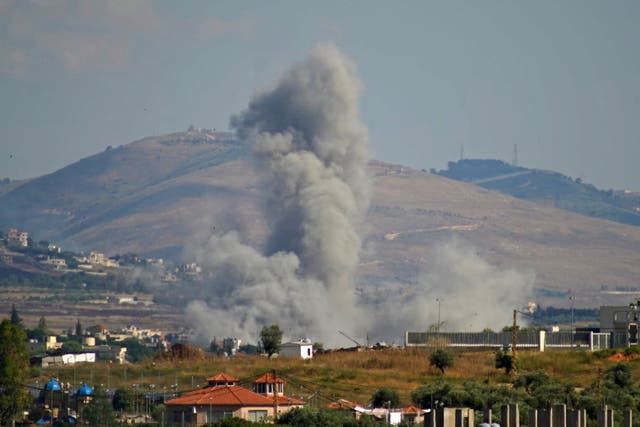
Ongoing military activity in parts of the Middle East has complicated attempts to frame the agreement as a standalone diplomatic breakthrough. Instead, it is increasingly viewed as part of wider Middle East ceasefire talks involving multiple actors and interconnected conflicts.
Internal Pressure Within Iran Over Proposed Agreement
Inside Iran, the proposed agreement has triggered political debate and opposition from hardline figures who argue that the deal compromises national principles. Some lawmakers have publicly criticised the framework, claiming it violates established red lines set by Iran’s leadership.
This internal resistance adds another layer of complexity to the Iran-US peace deal 2026, as negotiators must balance external diplomatic pressure with domestic political constraints.
Public sentiment has also reflected division, with segments of Iranian society expressing scepticism about engaging in renewed negotiations with Washington under current conditions.
Strategic Stakes for Both Washington and Tehran
For the United States, the agreement represents an opportunity to stabilise a volatile region, reduce military tensions, and secure international shipping routes. It also carries significant political implications for the current administration.
For Iran, the stakes include sanctions relief, access to frozen financial assets, and restoration of oil export capacity.
Despite these mutual interests, mistrust remains a defining barrier. Years of shifting diplomatic positions have left both sides cautious, contributing to repeated delays in the Iran-US peace deal 2026 process.
Uncertain Future for Iran-US Peace Deal 2026
The future of the Iran-US peace deal 2026 remains uncertain as both sides continue to present conflicting timelines and expectations. While Washington projects confidence in an imminent agreement, Tehran maintains that discussions are still ongoing and not ready for immediate formalisation.
The absence of a confirmed signing ceremony underscores the fragility of the current diplomatic process.
Read also: Trump name removed from Kennedy Center Facade after Court rejects emergency appeal
Diplomatic Uncertainty Defines Iran-US Peace Deal 2026
The Iran-US peace deal 2026 continues to reflect a complex intersection of diplomacy, regional security, and geopolitical competition. While both sides appear committed to further dialogue, fundamental disagreements over timing and structure remain unresolved.
At the centre of the debate is the Strait of Hormuz reopening plan, which carries global economic implications. Until clarity emerges, the situation will remain fluid.

