

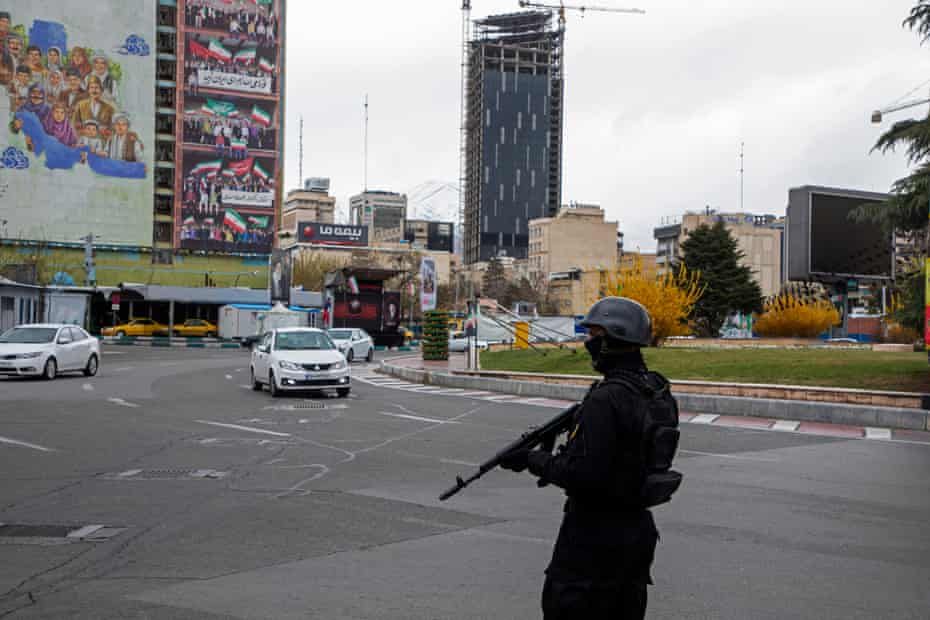
Israel strikes Iranian command centresp in Tehran escalation marks a significant development in Middle East tensions, as the Israel Defense Forces confirmed fresh attacks targeting strategic military infrastructure.
The operation focused on facilities in Tehran, where Iranian authorities had reportedly relocated sensitive command operations to temporary sites to avoid detection amid heightened regional hostilities and surveillance.
According to statements shared online, the IDF claimed it successfully struck multiple locations linked to the Iranian military command structure and weapons development systems, intensifying the ongoing confrontation between both nations.
Officials said the targets included ballistic missile production facilities, storage depots, and air defense systems, which are considered critical to Iran’s broader military capabilities and strategic deterrence posture in the region.
The IDF further revealed that several observation posts and temporary command headquarters were dismantled during the operation, suggesting a calculated effort to disrupt communication and coordination within Iranian defense networks.
In recent months, tensions between Israel and Iran have steadily escalated, driven by mutual accusations, proxy conflicts, and concerns over military expansion and influence across the Middle East.
Military analysts suggest that targeting temporary command centers indicates intelligence-led operations, implying that Israeli forces had access to real-time or near real-time information about Iranian movements and relocations.
The claim that commanders were present inside these temporary headquarters raises questions about potential casualties among senior Iranian military personnel, although no independent confirmation has been provided so far.
Iranian authorities have yet to release a detailed response regarding the alleged strikes, but previous incidents suggest that such actions often trigger strong political condemnation and possible retaliatory measures.
The situation reflects a broader pattern of shadow conflict between the two countries, involving cyber operations, covert missions, and occasional direct strikes aimed at limiting each other’s strategic influence.
Observers warn that continued escalation could destabilize the wider region, especially given the involvement of allied groups and the risk of drawing neighboring countries into a larger conflict scenario.
International reactions are expected as global powers monitor developments closely, with concerns focused on preventing a full-scale confrontation that could impact global security and energy markets.
The strikes also highlight the evolving nature of modern warfare, where temporary and mobile command centers are increasingly used to evade detection and ensure operational continuity during conflicts.
For Iran, the reported targeting of missile infrastructure could represent a significant setback if confirmed, as these systems play a key role in its defense strategy and regional power projection.
Meanwhile, Israeli officials have maintained that such operations are necessary to counter perceived threats and prevent the buildup of advanced weaponry that could be used against its territory.
The use of social media by the IDF to announce the strikes underscores how information warfare has become an integral part of military strategy, shaping narratives and influencing public perception globally.
Security experts note that verifying such claims independently remains difficult, especially in restricted areas where access for journalists and international observers is limited or tightly controlled.
Despite the lack of independent confirmation, the announcement alone has already heightened tensions and drawn attention to the fragile balance of power in the Middle East.
The potential involvement of advanced surveillance and precision targeting technologies suggests that both sides are investing heavily in modernizing their military capabilities and intelligence operations.
As developments unfold, analysts will be watching closely for any signs of escalation, including retaliatory strikes, diplomatic fallout, or increased military mobilization across the region.
The broader implications of these strikes could extend beyond immediate military objectives, influencing geopolitical alliances, regional stability, and international diplomatic efforts aimed at de-escalation.
Energy markets may also react to rising tensions, as instability in the Middle East often affects global oil supply expectations and pricing trends across international markets.
Regional allies of both countries could become indirectly involved, either through political backing or logistical support, increasing the complexity and potential scale of the confrontation over time.
There are also concerns about civilian safety, particularly in densely populated areas near potential targets, although no verified reports of civilian casualties have emerged from these specific strikes yet.
Diplomatic channels may be tested in the coming days, as international organizations and mediators attempt to prevent further escalation and encourage restraint from both sides.
Past incidents between Israel and Iran have demonstrated how quickly tensions can spiral, especially when retaliatory actions trigger cycles of escalation that are difficult to control.
Military readiness levels in surrounding regions may increase as neighboring countries monitor the situation closely and prepare for any spillover effects that could impact their security interests.
The targeting of missile infrastructure highlights the strategic importance of long-range capabilities in modern conflicts, particularly in regions where deterrence plays a central role in national defense policies.
Experts believe that disrupting command centers can significantly affect operational effectiveness, as coordination and communication are essential for executing complex military strategies.
At the same time, such strikes may prompt efforts to further decentralize military operations, making future targeting more challenging and increasing reliance on mobile or hidden facilities.
The psychological impact of such operations should not be underestimated, as they send strong signals about capabilities, intelligence reach, and willingness to act decisively in contested environments.
Public opinion within both countries may also be influenced by these developments, potentially shaping domestic political narratives and influencing leadership decisions moving forward.
Media coverage of the strikes will likely play a crucial role in framing the situation globally, affecting how different audiences perceive the actions and motivations of each side.
Increased cyber activity could accompany physical strikes, as both nations have previously engaged in digital operations aimed at disrupting infrastructure and gathering intelligence.
Strategic messaging from both governments will be closely analyzed, as statements and tone often provide insight into whether escalation or de-escalation is more likely in the near term.
The role of intelligence agencies remains central in such operations, as accurate information is critical for identifying targets and minimizing unintended consequences during military actions.
Global leaders may call for restraint and dialogue, emphasizing the importance of stability in a region that has long been a focal point of geopolitical tensions and conflicts.
Economic consequences could extend beyond energy markets, affecting trade routes, investor confidence, and broader financial stability if the situation escalates further.
Read also: No Kings protests sweep US as millions rally against Donald Trump administration
Humanitarian organizations may also monitor developments closely, preparing contingency plans in case the conflict expands and impacts civilian populations more directly.
Ultimately, Israel strikes Iranian command centres in Tehran escalation signals a critical moment that could shape the trajectory of relations between the two countries in the coming months.
About The Author
