

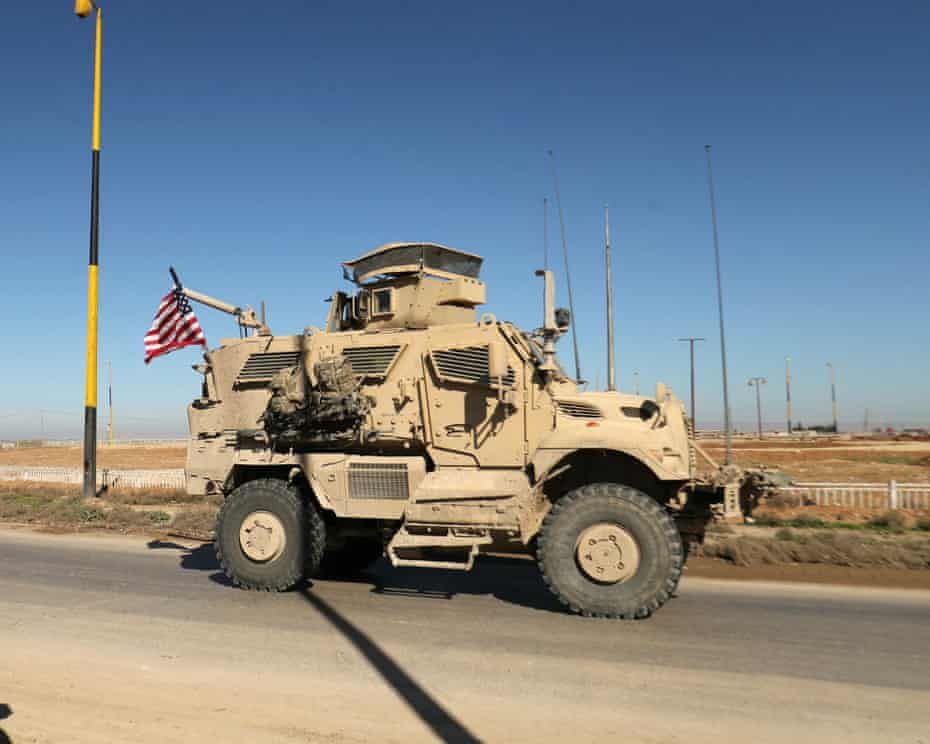
US base in Syria targeted by Iraq drone attack escalation highlights rising regional tensions, as Syrian officials confirmed an attempted strike on a remaining American military installation within contested territory.
According to Sipan Hamo, the incident involved four drones launched from Iraq, targeting a US base located in Qasrak within Syrian territory under heightened regional security pressure.
The drones were successfully intercepted and destroyed by Syrian defense systems, preventing any casualties or damage, in what officials described as a swift and coordinated defensive response to the aerial threat.
Hamo stated that Syria holds Iraq responsible for the attack, urging authorities to prevent further cross-border incidents that could threaten regional stability and escalate an already volatile security situation.
The attempted strike followed a similar incident a day earlier, when Syrian forces reported intercepting another drone attack targeting the al-Tanf base in southeastern Syria.
The al-Tanf facility has long been associated with US military presence, although recent reports indicate that American forces have gradually reduced their footprint at several bases across Syrian territory.
Earlier in the week, another military installation in northeastern Syria was reportedly targeted by a missile attack originating from Iraqi territory, further underscoring the frequency and coordination of such incidents.
An Iraqi official confirmed that a local armed group was responsible for the missile strike, and authorities in Iraq have since arrested four individuals linked to the attack.
These developments reflect the growing complexity of the regional conflict, where multiple actors, including state forces and armed groups, operate across borders with overlapping interests and alliances.
Tensions have intensified following recent military actions involving the United States and Israel targeting Iranian-linked assets, which have triggered retaliatory threats and proxy engagements.
Syria has increasingly found itself at the center of these confrontations, with its territory serving as a strategic location for various military operations and geopolitical rivalries.
Pro-Tehran armed groups operating in Iraq have claimed responsibility for several attacks on US interests, both within Iraq and across neighboring regions, signaling coordinated resistance efforts.
In response, military strikes have also targeted these groups, creating a cycle of action and retaliation that risks expanding into a broader regional conflict involving multiple countries.
The Qasrak base, located in northeastern Syria, has been among the facilities affected by recent US troop drawdowns, as Washington reassesses its military presence in the region.
American forces have already withdrawn from key locations such as al-Tanf and other installations in the Hasakeh province, reflecting a strategic shift in operations across Syrian territory.
Despite the reduced presence, remaining bases continue to face security threats, particularly from drone and missile attacks launched by non-state actors or aligned groups across borders.
Military analysts note that drone warfare has become an increasingly common tactic in the region, allowing groups to conduct cross-border attacks with relatively low cost and high impact potential.
The interception of all four drones in the latest incident suggests that Syrian defense systems remain capable of responding effectively to such threats, at least in this instance.
However, repeated attempts indicate persistent intent by attacking groups to target US-linked facilities, raising concerns about future attacks that may not be successfully repelled.
Regional observers warn that continued escalation could draw more countries into direct confrontation, especially if attacks result in casualties involving US personnel or allied forces.
Diplomatic efforts may be needed to de-escalate tensions, particularly between Iraq and Syria, as cross-border incidents risk undermining already fragile relations between neighboring states.
The role of Iran in the broader conflict remains a key factor, as its influence over various armed groups continues to shape developments across Iraq, Syria, and beyond.
International stakeholders are closely monitoring the situation, given the potential implications for global security, counterterrorism efforts, and stability in the Middle East.
The recent pattern of attacks highlights the challenges of maintaining security in regions where multiple armed factions operate with varying degrees of coordination and autonomy.
In addition to military risks, such incidents also raise concerns about civilian safety, particularly in areas near targeted bases or along flight paths of intercepted drones.
The evolving situation underscores the importance of intelligence-sharing and coordination among allied forces to anticipate and counter emerging threats in complex operational environments.
Media reports and official statements continue to shape public understanding of the conflict, though independent verification of claims remains difficult due to restricted access in conflict zones.
The involvement of local armed groups adds another layer of unpredictability, as their actions may not always align directly with the policies of the governments in their respective countries.
As tensions persist, further incidents could test the limits of regional stability and increase the likelihood of broader military engagement involving major powers.
Strategic decisions regarding troop deployments and withdrawals will likely play a critical role in shaping the next phase of the conflict and the security landscape in Syria.
Read also:No Kings protests sweep US as millions rally against Donald Trump administration
The situation also highlights how rapidly evolving threats, such as drone warfare, are redefining modern conflict dynamics and defense strategies across the region.
Ultimately, US base in Syria targeted by Iraq drone attack escalation represents a critical flashpoint in an already tense environment, with significant implications for regional and global stability.
About The Author
