

Israeli strike hits Al Araby office in Tehran escalation underscores intensifying regional conflict, as reports confirmed a missile strike on a media building in the Iranian capital, disrupting broadcasting operations.
The Qatar-based channel Al Araby TV said its office in Tehran was struck by an Israeli missile, causing extensive structural damage and forcing an immediate halt to live broadcasts.
According to the broadcaster, the attack raised serious concerns about media safety and operational continuity as tensions continue to escalate across the Middle East with increasing frequency and intensity.
No casualties were immediately reported from the Tehran strike, but the damage highlights the risks faced by media organizations operating in conflict zones where civilian and military infrastructures are often intertwined.
The reported strike comes amid heightened tensions involving Israel and Iran, with both sides engaged in escalating military actions and strategic confrontations that continue to destabilize the broader region.
Meanwhile, Iran’s foreign minister Abbas Araghchi strongly condemned separate Israeli actions in Lebanon involving the deaths of journalists during what officials described as a targeted military strike.
Araghchi described the killings as targeted assassinations and a violation of international law, accusing Israel of attempting to silence voices reporting on developments from active conflict areas.
Among those killed were Ali Shoeib, affiliated with Hezbollah’s Al Manar television, and siblings Fatima Ftouni and Mohammed Ftouni from the Al Mayadeen network during the strike.
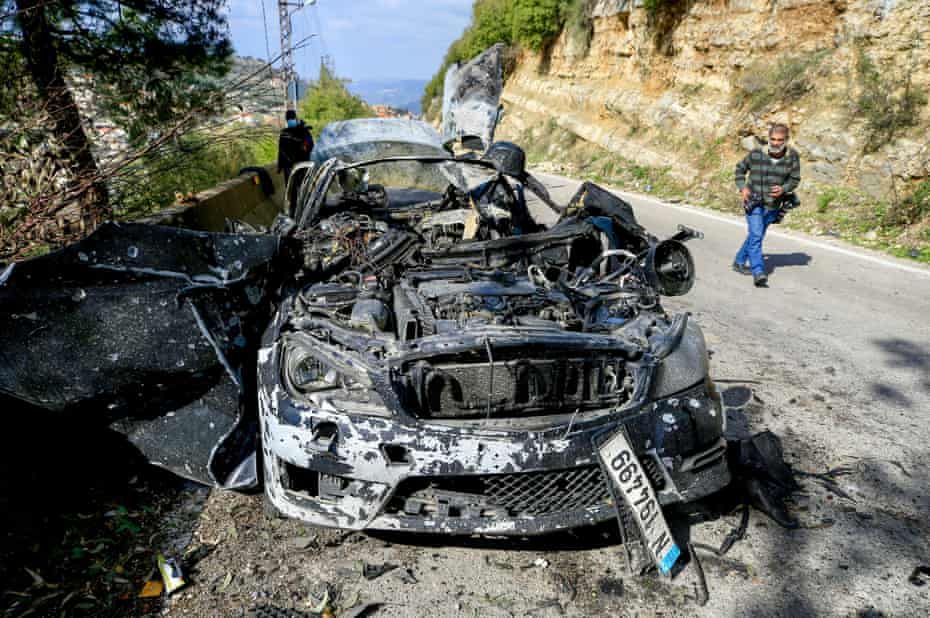
Reports indicated that the journalists were traveling near Jezzine when their vehicle was struck by an Israeli missile, completely destroying the car and killing all occupants instantly.
Israel later acknowledged the strike, stating that Shoeib was the intended target, alleging links to Hezbollah, though no publicly available evidence was provided to support the claim.
There was no immediate explanation regarding the deaths of the other two journalists, raising concerns about proportionality and adherence to international humanitarian law during military operations in civilian areas.
Advocacy groups and observers have repeatedly warned about the increasing dangers faced by journalists in conflict zones, particularly in the Middle East where multiple armed actors operate simultaneously.
According to Reporters Without Borders, more than 220 journalists have been killed since 2023 in conflicts involving Israeli military operations, raising alarm among global press freedom organizations.
The organization has expressed concern over repeated claims that targeted journalists were linked to militant groups, often without publicly available evidence or transparent independent investigations into such incidents.
International humanitarian law provides protections for civilian journalists, classifying them as non-combatants who should not be deliberately targeted during armed conflict under any circumstances or justifications.
However, enforcement of these protections remains a challenge, particularly in complex war environments where accountability mechanisms are limited, delayed, or influenced by political and military considerations.
The reported strike on a media office in Tehran adds another dimension to the issue, raising alarms about direct attacks on journalistic infrastructure beyond active battlefield environments.
Media experts warn that such incidents could have a chilling effect on reporting, discouraging coverage from high-risk areas and limiting the flow of independent and verified information globally.
At the same time, governments involved in conflicts often justify actions by citing national security concerns, intelligence findings, or alleged connections between individuals and armed or militant organizations.
The broader regional context includes escalating hostilities involving multiple countries and allied factions, increasing the likelihood of incidents affecting civilians and non-military institutions across borders.
Observers note that targeting media facilities could further inflame tensions, particularly if perceived as attempts to control narratives or suppress unfavorable coverage of military activities and operations.
Diplomatic reactions are expected as international bodies assess the situation and consider responses aimed at preventing further escalation while ensuring the protection of civilian lives and institutions.
The situation also raises questions about the role of digital platforms, as initial reports of such incidents are often shared through social media before independent verification becomes possible.
Efforts to verify claims remain ongoing, with limited access to affected areas making it difficult for independent journalists and investigators to confirm details and provide accurate reporting.
Despite these challenges, the incident has drawn global attention, highlighting the intersection of military conflict, media freedom, and international legal standards governing wartime conduct.
Regional analysts suggest that continued escalation could increase risks not only for journalists but also for humanitarian workers and civilians operating in sensitive and conflict-affected environments.
The destruction of media infrastructure can disrupt information flow, affecting both local populations and international audiences relying on timely updates from regions experiencing ongoing conflict and instability.
Calls for accountability are likely to grow, especially from international organizations advocating for press freedom and adherence to established laws governing armed conflict and civilian protection.
The involvement of major media networks underscores the visibility of such incidents, potentially influencing diplomatic discourse and shaping public opinion on a global scale.
As tensions persist, the safety of journalists and media organizations remains a critical concern, with increasing calls for stronger protections and enforcement of international legal frameworks.
Read also:Rubio denies claim Trump wants Ukraine to give up Donbas as Putin vows to keep fighting
Ultimately, Israeli strike hits Al Araby office in Tehran escalation reflects a widening scope of conflict impacts, extending beyond military targets to include media institutions and civilian actors.
About The Author
