

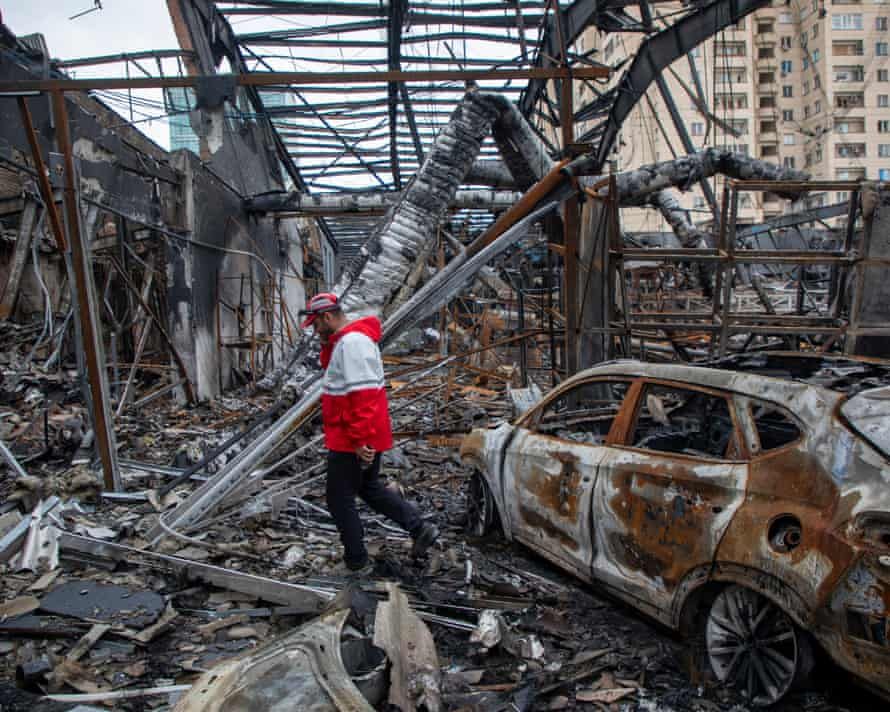
Israeli strikes and US troop buildup pressure Pakistan peace talks role as escalating conflict threatens diplomatic efforts, with Islamabad attempting to mediate between Washington and Tehran amid rising distrust and violence.
Pakistan is positioning itself as a neutral mediator, leveraging its balanced relations with both the United States and Iran to host potential negotiations between the two long-standing geopolitical rivals.
However, intensifying Israeli strikes on Iranian targets and growing US military deployments in the Gulf are undermining confidence and creating an unstable environment for meaningful diplomatic engagement.
Officials in Islamabad believe their neutrality offers a unique advantage, as Pakistan does not host US military bases and maintains working relationships with both sides of the conflict.
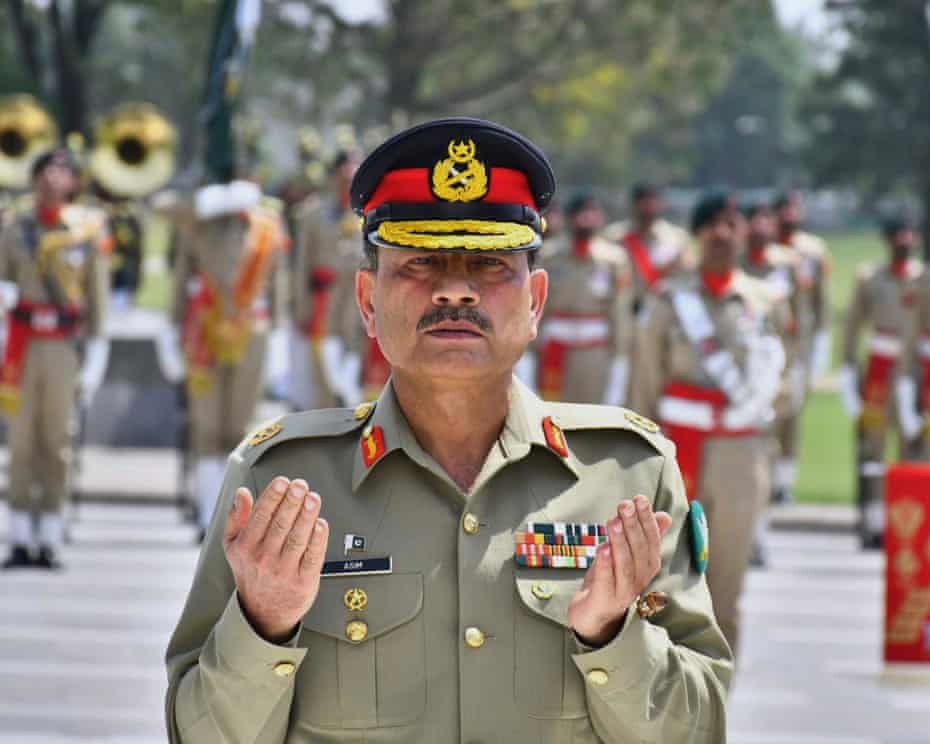
The country’s military chief, Asim Munir, is seen as a key figure in these efforts, with reported access to US leadership and influence in shaping diplomatic outreach.
Pakistan’s leadership has engaged in active diplomacy, including communication between Shehbaz Sharif and Masoud Pezeshkian, aimed at easing tensions and opening dialogue channels between conflicting parties.
Despite these efforts, both Washington and Tehran remain deeply divided, with mutual distrust and conflicting demands complicating any prospects for immediate negotiations or ceasefire agreements.
Israeli military actions targeting Iranian infrastructure, including industrial and nuclear-related facilities, have further strained the situation and raised concerns about escalating civilian and economic damage.
Iranian officials argue that such strikes contradict diplomatic signals and undermine any attempt at de-escalation, particularly when attacks involve non-military or civilian-linked infrastructure.
Analysts suggest that continued Israeli operations could act as a major obstacle to peace talks, potentially derailing Pakistan’s mediation efforts before formal negotiations even begin.
A key concern for Iran is securing guarantees that future attacks by Israel or the United States will cease, reflecting broader fears about long-term security and sovereignty.
Meanwhile, US leadership has indicated that Iran is open to negotiations, although Iranian officials dispute this narrative, accusing Washington of inconsistent messaging and unreliable commitments.
The strategic importance of the Strait of Hormuz remains central to discussions, as control over this waterway affects global energy supplies and regional power dynamics significantly.
Proposals regarding the management of the strait have been met with resistance, highlighting the complexity of reaching agreements that satisfy both geopolitical and economic interests.
Pakistan has reportedly been acting as an intermediary, relaying messages between both sides while attempting to bridge gaps in positions through diplomatic engagement and negotiation frameworks.
Regional diplomacy is also expanding, with planned meetings involving countries such as Turkey, Egypt, and Saudi Arabia to explore coordinated efforts toward reducing tensions.
These nations, alongside Pakistan, represent influential regional actors whose involvement could shape the direction and potential outcomes of any peace initiative or coordinated response.
However, differing national interests and security concerns may complicate unified action, especially as some countries hold contrasting views on how the conflict should be addressed.
Reports suggest that certain regional powers may privately support continued pressure on Iran, adding another layer of complexity to diplomatic efforts aimed at achieving peace.
At the same time, the United States is reportedly considering additional troop deployments to the Middle East, signaling a possible escalation rather than de-escalation of military involvement.
Such developments raise doubts about the sincerity of peace efforts, as increased military presence often signals preparation for extended conflict rather than immediate negotiations.
Pakistan has proposed alternative diplomatic approaches, including indirect talks where representatives communicate through intermediaries rather than engaging in direct face-to-face discussions.
This format reflects Iran’s reluctance to engage directly with US officials, stemming from past experiences where negotiations coincided with continued military actions.
Read also:Young voters Italy referendum delivers major setback for Giorgia Meloni government
To build trust, Pakistan has suggested involving high-level US representation, potentially improving confidence and demonstrating commitment to meaningful dialogue and negotiation processes.
Domestic considerations also influence Pakistan’s urgency, as its defense ties with Saudi Arabia could draw it into the conflict if tensions escalate further across the region.
Geographic proximity to Iran and internal dynamics add to the stakes, making stability a critical concern for Islamabad’s national security and long-term regional positioning.
The situation highlights the delicate balance Pakistan must maintain, navigating alliances while attempting to assert itself as a credible and neutral mediator in a highly polarized environment.
Experts warn that without immediate de-escalation, ongoing military actions could overshadow diplomatic initiatives and reduce the likelihood of successful negotiations in the near future.
The involvement of multiple global and regional actors increases the risk of miscalculation, potentially triggering broader confrontations with far-reaching geopolitical and economic consequences.
Economic implications are also significant, particularly for global energy markets, as instability around key shipping routes could disrupt supply chains and influence international pricing trends.
Ultimately, Israeli strikes and US troop buildup pressure Pakistan peace talks role, emphasizing the fragile nature of diplomacy in a conflict environment defined by mistrust and escalating military actions.
About The Author
