

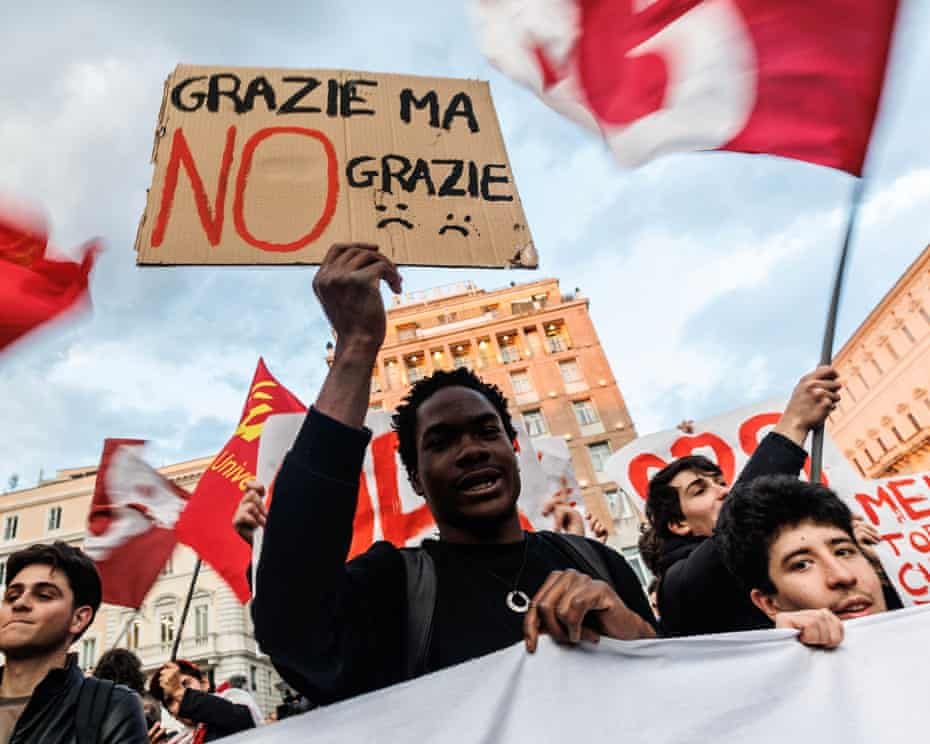
Young voters Italy referendum has shaken the leadership of Giorgia Meloni after a decisive rejection of proposed judicial reforms exposed rising political tensions nationwide.
The referendum result marked a significant moment in modern Italian politics, with younger citizens turning out in large numbers to oppose constitutional changes backed by the government leadership.
Many analysts had expected limited youth engagement, yet voters aged between 18 and 29 delivered the strongest opposition, signalling a shift in political awareness and participation trends.

The proposed reforms aimed to restructure the judiciary, with supporters arguing changes would improve efficiency and fairness across Italy’s legal system, while critics warned of excessive political control.
Young voters largely rejected those arguments, expressing concerns that the reforms would weaken institutional independence and concentrate more authority within the executive branch of government.
For individuals like Filippo Michelini, participation in the referendum represented a rare but crucial opportunity to directly influence the country’s constitutional framework and democratic safeguards.
Despite living abroad, he travelled back to Italy to vote, reflecting a broader pattern of youth commitment despite logistical challenges such as the absence of postal or proxy voting options.
Many young Italians felt the constitutional implications were too significant to ignore, especially given concerns about preserving democratic checks and balances within the country’s governance system.
The referendum defeat has intensified pressure on Meloni’s administration, which had previously enjoyed a relatively stable period compared to Italy’s historically volatile political environment.
Adding to the government’s troubles, the resignation of tourism minister Daniela Santanchè further damaged public perception and raised questions about internal accountability within the ruling coalition.
Her departure followed ongoing legal controversies, contributing to a narrative of instability that opponents have used to challenge the government’s credibility and ethical standards.
The fallout has extended beyond a single resignation, with additional officials linked to the ruling party stepping down amid separate controversies involving business dealings and alleged misconduct.
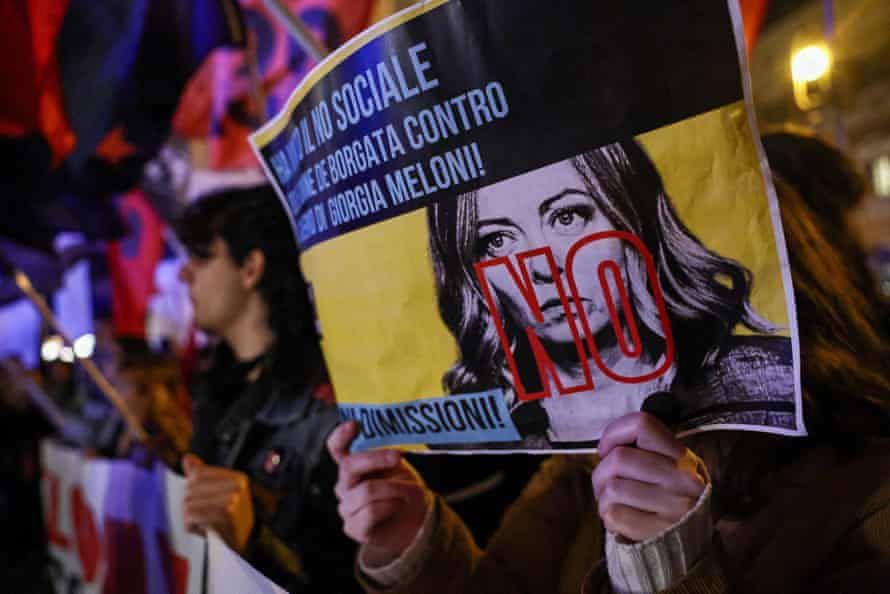
Critics argue these developments contradict the government’s messaging on legality and reform, undermining its position during a referendum centred on judicial integrity and transparency.
Despite mounting criticism, Meloni and justice minister Carlo Nordio have resisted calls to resign, maintaining that the reforms were necessary and misunderstood by voters.
Political observers suggest that strategic resignations within the government may be an attempt to contain damage and prevent the crisis from directly threatening the prime minister’s leadership.
Meanwhile, tensions have also emerged within coalition partners, particularly within Forza Italia, which supported the reforms partly due to its historical stance on judicial issues.
Internal disagreements within the party have intensified following the referendum outcome, with leadership struggles and calls for renewal highlighting deeper divisions within the political alliance.
The influence of the late Silvio Berlusconi continues to shape party dynamics, as figures debate how best to adapt to the changing political landscape.
At the same time, coalition partner Matteo Salvini has focused on strengthening international alliances, drawing attention away from domestic challenges facing the government.
Public demonstrations are expected to increase, with thousands planning to protest in Rome, calling not only for policy changes but also for Meloni’s resignation from office.
These protests reflect broader dissatisfaction among segments of the population, particularly younger citizens who feel their concerns on issues such as climate change and civil rights remain unaddressed.
Youth mobilisation in recent years has been driven by a combination of global and domestic issues, including economic uncertainty, employment challenges, and rising living costs.
Activist groups have also played a role in shaping public opinion, warning that the proposed judicial reforms could restrict peaceful protest and limit democratic freedoms.
The government’s security policies have faced criticism for their handling of demonstrations, with some accusing authorities of excessive force in response to activist movements.
Such concerns have contributed to a wider perception among young voters that institutional changes could further restrict their ability to express dissent and participate in civic life.
Looking ahead, attention is turning to Italy’s next general election, which must take place before October 2027, although speculation about an early vote continues.
However, political analysts believe Meloni is unlikely to call early elections given current global uncertainties and domestic challenges that could weaken her electoral position.
International factors, including geopolitical tensions and economic pressures, are also influencing political calculations, making this a particularly complex period for the Italian government.
Opposition parties have attempted to capitalise on the government’s difficulties, presenting themselves as alternatives capable of restoring stability and addressing voter concerns.
Yet many young voters remain unconvinced, expressing frustration at what they see as a lack of credible leadership and meaningful policy solutions across the political spectrum.
Elly Schlein, leader of the Democratic party, has struggled to fully connect with younger audiences despite positioning herself as a progressive alternative.
Some voters argue that opposition rhetoric often mirrors the same populist tone they criticise, leading to scepticism about whether real change would follow a shift in power.
This growing disillusionment highlights a broader issue within Italian politics, where trust in institutions and political figures continues to face significant challenges.
The referendum outcome therefore represents more than a policy rejection; it signals a deeper transformation in voter behaviour, particularly among younger generations.
Their participation suggests increasing awareness and willingness to engage with complex political issues, challenging long-held assumptions about youth apathy in democratic processes.
At the same time, the results underline the importance of trust in government, with many voters indicating their decision was influenced as much by political credibility as by policy details.
For Meloni’s government, the challenge now lies in rebuilding confidence while navigating internal divisions and external pressures that threaten to destabilise its position further.
Read also:Israel Yemen missile escalation raises fears war could widen within weeks
The coming months will be critical in determining whether the administration can recover from this setback or whether the referendum marks the beginning of a broader political decline.
Ultimately, the young voters Italy referendum has reshaped the political conversation, placing youth engagement at the centre of Italy’s democratic future and forcing leaders to respond.
About The Author
