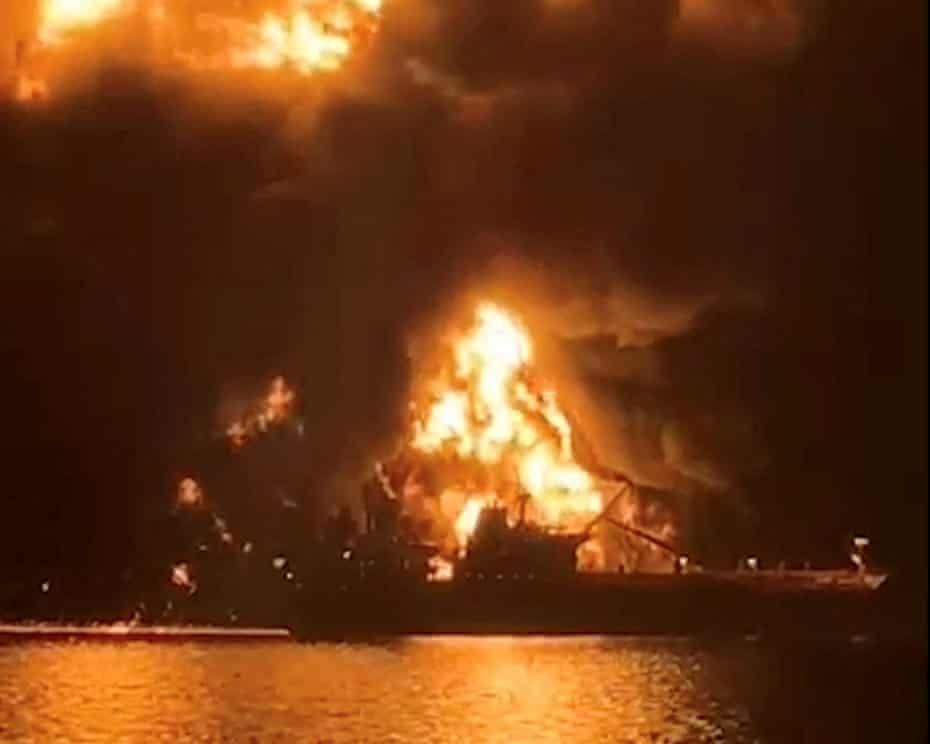
An Israeli strike kills seven on Beirut seafront, Lebanese authorities said Thursday, marking another deadly attack in the heart of the capital as fighting between Hezbollah and Israel intensifies.
Officials in Beirut confirmed the strike targeted the Ramlet al-Bayda seaside area early Thursday. The Lebanese health ministry reported seven deaths and 21 injuries after the explosion hit a car.
Footage aired by local media showed smoke rising along the coastal road shortly after the blast. Lebanon’s state-run National News Agency said emergency crews rushed to the scene.

Authorities described the incident as the third attack inside central Beirut since the regional conflict escalated. Previous strikes had also shaken districts far from the usual front lines.
The Israeli military said it conducted separate overnight operations against Hezbollah positions in the southern suburbs of Beirut, a known stronghold of the Iran-backed group.
According to Israeli statements, the strikes targeted multiple Hezbollah facilities used for logistics, communications and weapons storage.
Lebanese media reported additional Israeli airstrikes across southern Lebanon, hitting several towns and villages near the border region.
Among the locations reportedly struck were Taybeh, al-Sultaniyya and Qana, areas close to the coastal city of Tyre.
Residents in these communities described heavy explosions and aircraft activity overnight, with rescue teams assessing damage to homes and infrastructure.
Hezbollah responded by announcing a fresh round of missile attacks against Israeli targets, signaling the continuing escalation between the two sides.
In a statement early Thursday, the group said it fired missiles at an Israeli military intelligence facility near Tel Aviv.
The Israeli government did not immediately confirm the extent of damage from the reported missile strike near the major coastal city.
The renewed exchanges come as tensions remain high across the region, with cross-border strikes occurring almost daily.
Military analysts say the expanding range of attacks shows the conflict is increasingly reaching urban centers rather than remaining limited to border areas.
The Beirut seafront strike has drawn concern among residents who fear the capital could face more direct attacks.
Emergency services in Beirut remained on high alert Thursday as authorities assessed casualties and potential structural damage in the affected district.
Witnesses said the explosion caused panic among early-morning commuters and residents living near the waterfront.
Lebanon’s health ministry warned that the casualty figure could rise as some of the wounded remain in critical condition.
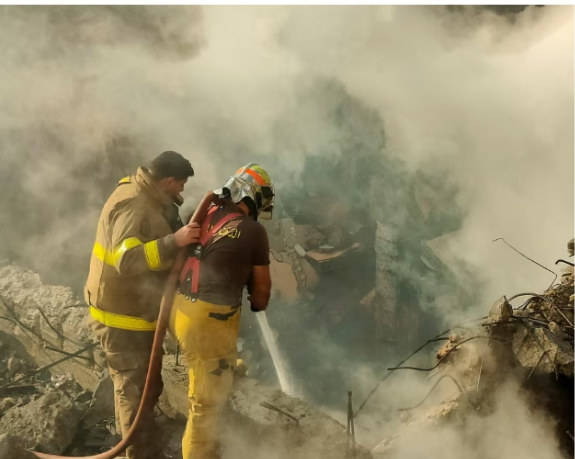
Hospitals in Beirut activated emergency protocols to receive victims and treat those injured in the blast.
Regional observers say the incident highlights the growing volatility in the Middle East as the conflict continues to spread geographically.
Security officials warned that further strikes and counterstrikes remain likely as both sides signal determination to continue military operations.
Analysts say the latest developments could complicate diplomatic efforts aimed at preventing a broader regional escalation.
Despite international calls for restraint, the exchange of missiles and airstrikes has continued across several fronts.
For residents in Beirut and southern Lebanon, the renewed violence has intensified fears of wider war in the region.
Read also: Hereditary peers to leave House of Lords ahead of King’s Speech