

Iran disrupts energy markets as Middle East war intensifies, triggering tanker attacks, soaring oil prices, and global alarm. Officials warn the conflict threatens shipping routes and supply stability worldwide today.
The phrase Iran disrupts energy markets captures the widening crisis after Iranian attacks on tankers and ports across Gulf waterways rattled traders, governments and shipping companies overnight analysts said Thursday.
Oil prices surged again past $100 per barrel as traders reacted to escalating strikes on infrastructure and vessels near the Strait of Hormuz, a vital artery for global trade flows.
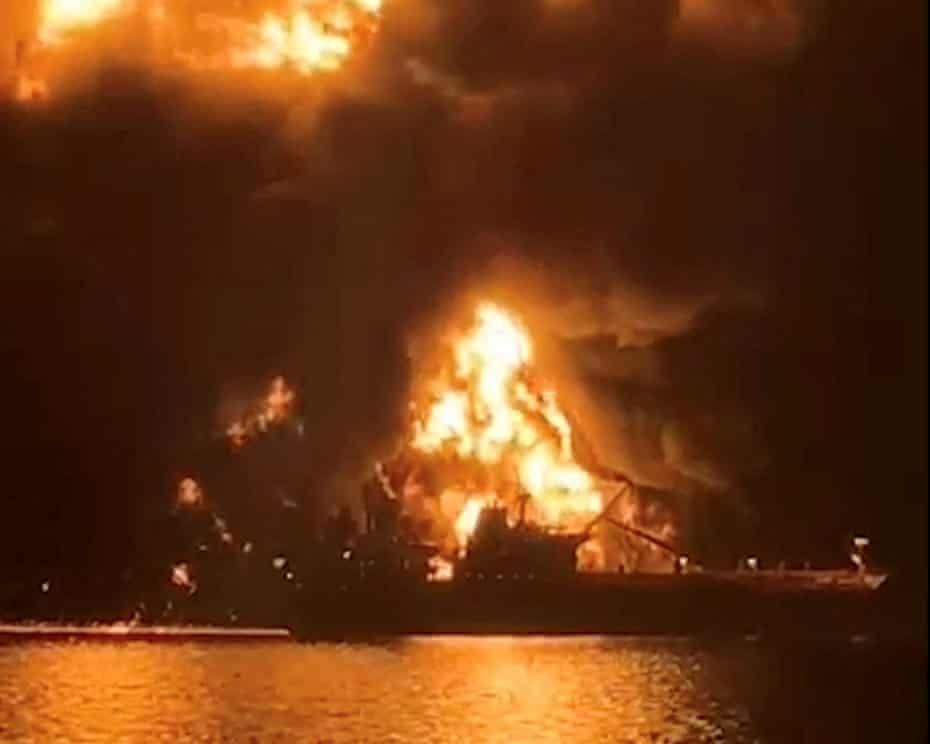
An Iraqi port official said explosions struck a tanker transfer near Basra, forcing authorities to halt oil terminal operations. “Rescuers recovered one body and helped thirty-eight survivors,” he confirmed publicly.
Maritime security sources reported explosive-laden boats set two tankers ablaze in Iraqi waters, intensifying fears shipping lanes could become direct targets in the expanding regional confrontation analysts warned Thursday morning.
Regional governments reacted swiftly as Iran disrupts energy markets and threatens supply chains. Bahrain urged residents to remain indoors while emergency crews battled fires at fuel storage tanks overnight authorities.
In Oman, officials quietly moved vessels away from the Mina Al Fahal export terminal after drone strikes hit another port, underscoring the vulnerability of Gulf infrastructure during escalating hostilities today.
Energy analysts warned the campaign shows how Iran disrupts energy markets by targeting logistics, tankers, pipelines, and storage hubs rather than solely military bases, widening economic consequences worldwide dramatically overnight again.
A senior shipping executive said, “The Strait of Hormuz is the world’s most sensitive energy chokepoint; any sustained disruption instantly reverberates through freight insurance costs and global fuel markets everywhere.”
Meanwhile Israel launched overnight strikes in Beirut after Hezbollah fired missiles toward Israeli targets, deepening the conflict surrounding Iran disrupts energy markets and fuels wider regional escalation fears diplomats warned.
Lebanese authorities said an Israeli strike on the Ramlet al-Bayda seafront killed seven people and wounded twenty-one, marking the third deadly attack in central Beirut since hostilities erupted weeks earlier.
Footage aired by local television showed smoke rising along the seaside boulevard after a car was struck. “It was chaos,” one witness said. “People were running everywhere after the explosion.”
Hezbollah later confirmed launching missiles toward an Israeli military intelligence base near Tel Aviv, claiming retaliation for Israeli raids that targeted infrastructure and fighters across southern Lebanon overnight officials stated.
Israeli military spokespeople insisted operations would continue. “We are prepared to continue the campaign as long as necessary,” one spokesperson said, emphasizing pressure on Hezbollah and Iranian networks across Lebanon.
Diplomats say the conflict expanded rapidly after joint United States and Israeli airstrikes targeted Iranian facilities late February, igniting retaliation that now threatens shipping routes and global energy supplies alike.
Since then, Iran disrupts energy markets through a strategy analysts describe as asymmetric pressure, striking economic infrastructure while avoiding direct confrontation with superior Western air power across the Gulf region.
Global oil markets reacted immediately, with Brent crude jumping above $100 as traders assessed risks to shipments moving daily through the narrow Strait of Hormuz corridor linking Gulf exporters worldwide.
The International Energy Agency responded by announcing the largest coordinated release of strategic reserves in history, hoping to stabilize prices and reassure markets rattled by war disruptions officials confirmed Wednesday.
US energy secretary Chris Wright said, “The reserve release is intended to calm markets and ensure supplies remain available while tensions escalate,” describing coordination with allies across thirty-two countries involved.
Even so, traders worry persistent attacks could keep prices volatile. One analyst said, “Markets hate uncertainty; repeated strikes against tankers guarantee sharp reactions every single trading session until stability returns.”
Political rhetoric has also intensified. At a rally in Kentucky, President Donald Trump declared the United States had already “won the war,” though he acknowledged operations were “not finished yet”.
Trump added during the speech, “We don’t want to leave early, do we? We’ve got to finish the job,” signaling Washington’s readiness to maintain pressure on Tehran for months ahead.
Iranian officials rejected those claims, arguing their country remains resilient despite airstrikes. Intelligence assessments reportedly indicate Iran’s leadership structure remains intact and retains control over domestic institutions analysts said Thursday.
Iran’s UN ambassador Amir Saeid Iravani condemned international criticism, saying a Security Council resolution against Tehran was “an injustice against my country,” accusing Washington and Israel of aggression first publicly.
Addressing diplomats, Iravani said, “The decision distorts the facts on the ground and ignores the root causes of this crisis,” insisting Iran was defending itself after attacks on its leadership.
Tehran also accused Washington and Tel Aviv of causing massive civilian harm. Iravani claimed more than 1,300 civilians had been killed and thousands injured since the strikes began last month.
Humanitarian agencies warn continued bombardment could worsen displacement across Lebanon where hundreds of thousands have fled fighting, adding pressure to regional aid networks already strained by conflict and instability today.
United Nations officials urged restraint from all sides. One diplomat said, “Every strike near ports or tankers risks triggering a wider economic shock affecting energy importers and vulnerable households everywhere.”
For countries dependent on imported fuel, the fact that Iran disrupts energy markets could translate into higher transport costs, inflation pressures, and potential rationing if supplies tighten further this year.
New Zealand ministers are already discussing emergency laws that once created “carless days,” forcing drivers to avoid roads weekly if shortages worsen during the ongoing Middle East crisis officials confirmed.
Finance minister Nicola Willis explained, “Officials have reviewed legislation used during the 1979 revolution oil shock to understand how rationing tools might work again if supplies suddenly decline sharply nationwide.”
Australia meanwhile downgraded fuel quality rules temporarily to boost domestic supply. Energy minister Chris Bowen said, “This will help relieve pressure on distribution chains disrupted by elevated demand and uncertainty”.
Bowen emphasized regional communities would receive priority deliveries. “Farmers, fishers and remote towns must have reliable fuel,” he told parliament, stressing coordination with producers and retailers during escalating tensions abroad.
Security experts believe Tehran’s approach deliberately targets economic vulnerabilities. One analyst noted, “By striking tankers and ports, Iran disrupts energy markets without needing prolonged battlefield victories against stronger military opponents.”
Insurance costs for vessels crossing the Gulf have already surged as underwriters reassess risks. Shipping brokers say some companies may reroute cargo or delay voyages until security conditions improve significantly.
Such caution could tighten global supplies further. Economists warn that prolonged disruption near Hormuz might push oil prices far beyond $100 if exports from Gulf producers face sustained interruption ahead.
Read also: Home Secretary bans Al Quds Day March in London to prevent disorder
Iranian leaders argue Western pressure forced them into confrontation. President Masoud Pezeshkian demanded reparations and security guarantees before any peace agreement ending the war with Washington and Israel can proceed.
Pezeshkian reportedly told officials, “Any settlement must address the aggression against Iran and guarantee our security,” insisting Tehran will negotiate only when its sovereignty and people are protected fully first.
As battles continue, markets remain jittery. Analysts say the phrase Iran disrupts energy markets now defines a conflict whose consequences stretch far beyond the Middle East into global economics today.
Whether diplomacy or escalation follows, governments worldwide are bracing for volatility in oil supplies and shipping routes. One trader concluded, “Energy markets will stay tense until the Gulf stabilizes again.”


