European intelligence chiefs raise fresh concerns
The Russia Nato threat has come under renewed scrutiny after European intelligence chiefs warned that Moscow could take more decisive action against European countries supporting Ukraine within months rather than years.
The warnings come amid continuing fighting between Russia and Ukraine, intensified drone and missile attacks, and concerns that Moscow could test Nato’s response without immediately launching a full-scale military invasion.
Michal Koudelka, head of the Czech Republic’s Security Information Service, said a potential Russian operation could involve several forms of pressure against Nato territory bordering Russia.
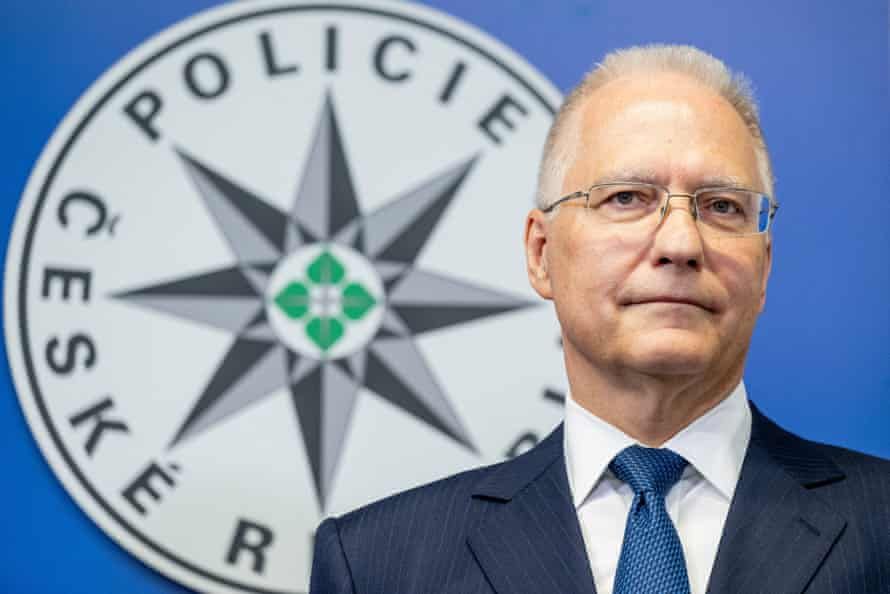
“It’s possible. It could involve a limited incursion, false-flag provocations, a massive influence campaign,” Koudelka said, outlining several scenarios that European security agencies are reportedly considering.
The Czech intelligence chief added that such a scenario could develop within “months, not years”, although he emphasised that European governments were taking steps intended to prevent such an escalation.
Koudelka’s warning came as European governments examined assessments suggesting that Russia could attempt to exploit weaknesses in western societies while continuing its war against Ukraine.
Polish prime minister Donald Tusk has also warned that Russia could potentially launch drone or missile attacks against Nato territory in the coming months.
Tusk told parliament that intelligence assessments suggested such an operation could be intended to demonstrate that Nato’s Article 5 collective-defence commitment was “more theoretical than practical”.
French president Emmanuel Macron described Tusk’s warning as “sound and well-documented”, subsequently bringing political leaders and 2027 presidential candidates together in Paris for an emergency meeting.
Baltic officials urge caution
While the warnings have generated concern in parts of Europe, intelligence officials in the Baltic states have taken a more cautious position regarding the possibility of an imminent Russian attack.
Normunds Mežviets, director general of Latvia’s VDD security service, said his agency had not identified evidence pointing towards an immediate military assault on a Nato member.
“We don’t see indications of an imminent attack,” Mežviets said, while acknowledging that there were signs Moscow was preparing for “more decisive action” in Europe.
The Latvian intelligence chief said it remained uncertain whether Russian preparations represented concrete plans for military action or formed part of a wider strategy designed to destabilise European societies.
“It’s still an open question if they have direct and concrete plans or if it’s just within the context of their overall attempts to spread fear and uncertainty in western society,” he said.
The distinction is significant because European intelligence agencies must assess not only Russia’s military capabilities but also whether apparently threatening activities are intended to produce fear, political division or changes in European policy.
Baltic politicians have historically been among the European leaders most vocal about Russia’s security threat, but some are now warning against public messaging that could unnecessarily create panic.
Estonian foreign ministry secretary general Jonatan Vseviov recently criticised what he described as “panic on social media” surrounding reports of a possible Russian attack.
“If there is reason to fear an attack, rest assured: we will make that clear. Until then, keep calm, carry on and support Ukraine,” Vseviov wrote on X.
Russia’s strategy beyond conventional warfare
The Russian attack on Nato scenario being examined by European intelligence agencies is not limited to a conventional military invasion, with officials increasingly focused on sabotage, infrastructure attacks and influence operations.
Russia’s activities in Europe have already generated allegations involving sabotage and other incidents that western security agencies have linked to Russian intelligence operations.
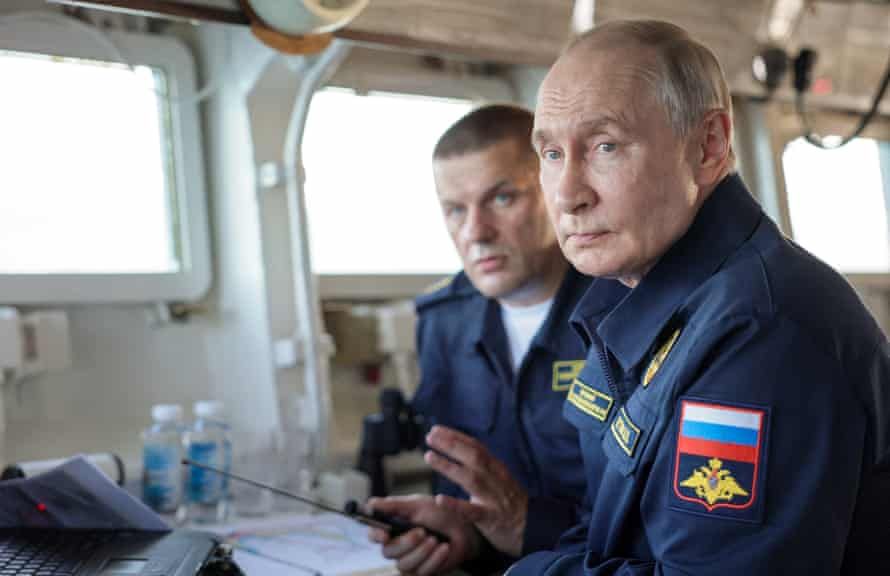
Mežviets said the pattern of Russian sabotage appeared to be changing, with operatives increasingly focusing on targets connected directly to European support for Ukraine.
“We see them looking to attack railway infrastructure, Ukraine support infrastructure. Right now we see a move towards defence industry targets,” Mežviets said.
He added that attacks against such targets could have both physical and psychological consequences because “if you do this then the psy-op effect is reached anyway, so you get both things in one”.
The assessment suggests that Russian operations could seek to disrupt practical assistance to Ukraine while simultaneously creating uncertainty among European populations about the costs and risks of continued support.
Sabotage campaign could intensify
Swedish military intelligence and security chief Thomas Nilsson said the Russia sabotage campaign was likely to become more serious in the coming months.
Nilsson described the recent armed drone incident at Leipzig airport as a “gamechanger”, particularly because of the potential consequences of attacks involving critical European infrastructure.
“To have an armed UAV drone sent in to a busy airport in the middle of Europe … If you have attacks that could result in losses of life or losses of very critical infrastructure that have a huge implication for society, I think that is a gamechanger,” Nilsson said.
German authorities have attributed the Leipzig airport incident to Russian intelligence, adding to concerns about the methods allegedly being used to pressure European countries.
Nilsson said the sabotage campaign appeared to have several objectives, including weakening European support for Ukraine, creating divisions within Nato and increasing public anxiety.
“I think Moscow would love Nato to have endless discussion about article 4 consultations, but coming up with no actions,” Nilsson said, describing what he viewed as one possible objective of Russian activity.
Koudelka said another consequence of sabotage was the pressure it placed on European intelligence agencies, which increasingly have to investigate apparently ordinary incidents for possible foreign involvement.
“Now every fire or every malfunction needs to be investigated by intelligence services as a potential terror attack, and that is a good result for them,” he said.
That environment can consume intelligence resources while making it more difficult for authorities to distinguish deliberate hostile activity from accidents, criminal acts or technical failures.
The debate over Russian intentions
The assessments from the European intelligence chiefs do not amount to a single conclusion about what Moscow intends to do next.
Koudelka’s warning points towards the possibility of a limited military or hybrid operation, while Mežviets has emphasised that Latvia has not detected indications of an imminent attack.
Their differing assessments reflect the uncertainty surrounding intelligence analysis, particularly when governments are attempting to interpret preparations that could have both military and psychological purposes.
Mežviets also acknowledged that western Europe had changed its approach to Russia after the full-scale invasion of Ukraine in 2022.
“Before 2022, we constantly warned our western European partners about the threat from Russia, but most of the time our voices were not listened to,” he said.
“In 2022, the approach of our partners changed. They said it turns out the Balts and the Poles had been right,” Mežviets added.
The Baltic states’ experience has consequently shaped their approach to Russian military activity, although their officials are simultaneously warning against presenting every security concern as evidence of an imminent invasion.
The debate is particularly sensitive because public alarm can affect economies, social confidence and political decision-making, potentially creating some of the destabilising effects that intelligence officials say Russia seeks.
Ukraine war continues to shape European security
The Ukraine war and Nato relationship remains central to the current security situation, with European countries continuing to support Kyiv while attempting to avoid direct military confrontation with Moscow.
Russia has repeatedly argued that western weapons, intelligence and military advisers make supporting countries participants in the conflict and has warned that such involvement could make them legitimate targets.
At the same time, Moscow has so far avoided an action against Nato that would clearly trigger a coordinated alliance response, while western officials say Russia has increasingly relied on activities below the threshold of open warfare.
The continuing conflict has also complicated American and European diplomatic efforts to negotiate an end to the war.
The Trump administration has recently attempted to restart peace negotiations, with US envoys Steve Witkoff and Jared Kushner travelling to Moscow and Kyiv.
CIA director John Ratcliffe also made a surprise visit to Moscow last month, although European intelligence officials declined to discuss whether the trip was connected to warnings concerning possible Russian action against Nato.
Kremlin spokesperson Dmitry Peskov rejected speculation about an attack on Nato, saying: “It has nothing to do with reality and nothing to do with the intentions of the Russian Federation.”
Read also: Trump turns triumphal arch into military complex for drones and ammunition
That denial has been viewed against the background of the 2022 invasion, when western governments repeatedly warned that Russia was preparing for a major military operation while Moscow rejected those assessments.
Europe faces difficult security calculations
The current warnings do not establish that Russia has decided to attack Nato, and Latvian and Estonian officials have specifically said they have not identified evidence of an imminent invasion.
Instead, the intelligence assessments describe a range of possibilities, including sabotage, influence operations, limited incursions and attacks against infrastructure connected to European support for Ukraine.
The challenge for European governments is therefore to strengthen security and deterrence while avoiding public messaging that could generate unnecessary fear or amplify Russian influence operations.
Koudelka said Russia’s approach could involve attempts to pressure western societies into reducing their support for Ukraine.
“They believe if they escalate enough, then European countries will decide not to support Ukraine,” he said, describing what he regarded as the strategic thinking behind Moscow’s approach.
The coming months are therefore expected to remain closely watched by European intelligence services, particularly as Russia and Ukraine continue exchanging drone and missile attacks.
The possibility of escalation also comes as European governments examine the protection of railways, airports, defence industries, energy facilities and other critical infrastructure that could become targets for hostile activity.
The Russia Nato threat remains difficult to assess because the same Russian activity can potentially serve multiple purposes, ranging from intelligence gathering and intimidation to preparations for more serious operations.
European officials therefore continue to distinguish between evidence of preparations, evidence of an imminent attack and broader efforts to create uncertainty within western societies.
The Guardian reported that all three intelligence chiefs interviewed for the investigation expected Russian sabotage activity in Europe to intensify during the coming months, even though they differed over the likelihood of direct military escalation.
For Nato members, the issue raises questions about deterrence, intelligence sharing, infrastructure protection and the practical credibility of collective defence arrangements.
For European populations, meanwhile, officials are attempting to communicate genuine security concerns without encouraging panic over an attack that Baltic intelligence agencies say they have not currently detected.
The conflicting assessments ultimately point to a continuing period of heightened vigilance rather than confirmation of an imminent Russian assault on Nato territory.
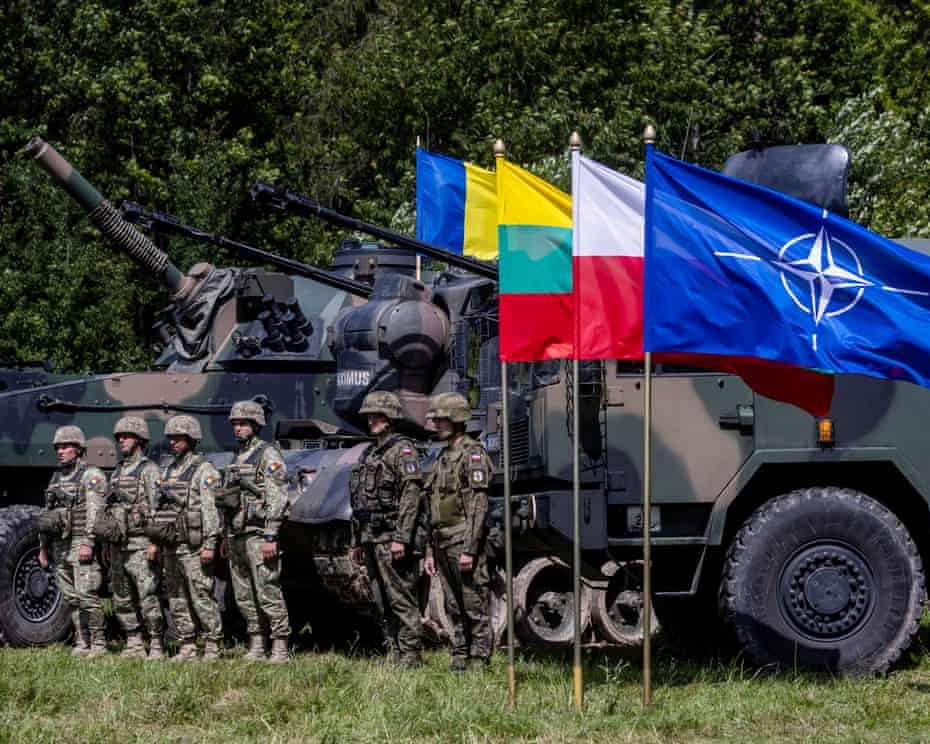
As the Ukraine conflict continues and diplomatic efforts struggle to produce a settlement, European intelligence agencies are expected to monitor Russian military preparations, sabotage activity and influence operations closely.
The central question remains whether Moscow’s increasingly assertive activities represent preparation for direct confrontation, an effort to weaken European support for Ukraine, or a combination of both.
For now, European governments are responding to the warnings through increased scrutiny, security planning and intelligence cooperation, while officials continue to emphasise that uncertainty remains over Russia’s precise intentions.