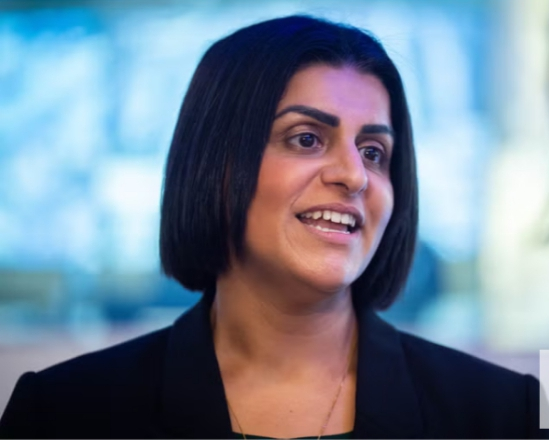
Home Secretary Shabana Mahmood has officially approved the ban on the Al Quds Day march in London, citing serious risks of public disorder due to planned counter-protests and ongoing Middle East tensions.
The annual Al Quds Day march has drawn controversy over its perceived support for Iran’s late leader, Ayatollah Ali Khamenei, with organisers expressing political backing. The march traditionally highlights pro-Palestinian solidarity.
Several counter-protests had also been scheduled for Sunday, increasing concerns among the Metropolitan Police about potential clashes and disorder. Authorities said banning the march is necessary to maintain public safety.
Announcing the decision, Shabana Mahmood said she was “satisfied doing so is necessary to prevent serious public disorder, due to the scale of the protest and multiple counter-protests across London this weekend.”
She added that stationary demonstrations will still be allowed under strict police conditions, ensuring people can exercise their right to peaceful protest without risking public safety or clashes.
“I expect to see the full force of the law applied to anyone spreading hatred and division instead of exercising their right to peaceful protest,” Mahmood said, emphasising legal accountability.
The Islamic Human Rights Commission (IHRC), which organises the protest, insisted that the event has historically been “good natured and peaceful,” condemning the ban as politically motivated rather than security-driven.
In a statement, the IHRC said it would pursue legal advice, confirming that a “static protest” would still go ahead. The organisation criticised the police for allegedly abandoning principles of impartial policing.
This is the first time a protest march in London has been banned since 2012, reflecting heightened concerns about the potential for violent confrontations during politically charged events.
The Metropolitan Police noted that previous Al Quds Day marches resulted in arrests linked to terrorist support and antisemitic hate crimes, reinforcing the need for stricter preventive measures this year.
“The decision to ban it this year is purely based on a risk assessment of this specific protest and counter-protests – we do not police taste or decency,” the police said, addressing concerns of bias.
Authorities highlighted the “uniquely complex” international situation and “severe risks” that merely placing conditions on the march would not be sufficient to prevent serious disorder in central London.
While a static protest is legally permissible, the Metropolitan Police stressed that tensions remain high, and confrontations could still occur despite strict regulations and policing measures.
Calls to ban the march had been supported by MPs across political parties, including both Labour and Conservative representatives, citing the potential for public disorder and extremist messaging.
Courts minister Sarah Sackman stated that those supporting “the malign regime in Iran” should not be allowed “on the streets of London calling for hate and hostility against this country.”
Shadow Home Office minister Alicia Kearns added that Britain should not tolerate demonstrations celebrating or glorifying terrorism, stressing that public safety and anti-terror principles must guide protest permissions.
Faisal Bodi, a spokesperson for the IHRC, described the ban as “a sad day for freedom of expression, freedom of assembly, and the right of people to legitimately protest about issues they feel strongly about.”
He noted that the demonstration has occurred peacefully for over 40 years, expressing concern that political tensions now risk undermining long-standing traditions of lawful protest.
The IHRC previously expressed support for Iran’s former supreme leader, Ayatollah Ali Khamenei, praising him in statements that have drawn criticism from government officials and public commentators alike.
Following Khamenei’s death last month, supporters described him as a “rare role model” who would be mourned internationally, further intensifying scrutiny of the Al Quds Day march in London.
The Campaign Against Antisemitism welcomed the ban, describing it as a “positive development” and warning that allowing the march could signal that extremist viewpoints are tolerated on UK streets.
Authorities reiterated that the ban is not about silencing political opinions but ensuring public safety, reducing the likelihood of violence, and preventing clashes between demonstrators and counter-protesters.
The decision also comes amid heightened international tension in the Middle East, with authorities citing potential spillover effects of foreign conflicts on local demonstrations in London.
Police emphasised that a “static protest” will still be allowed, with strict conditions on location, duration, and crowd management, to protect both demonstrators and the wider public.
The ban represents a careful balancing act between safeguarding freedom of assembly and managing public safety risks during a politically sensitive time, as authorities face scrutiny from all sides.
Experts in UK protest law note that banning a march is rare and usually reserved for situations where the threat of disorder or violence is substantial, as is the case with this year’s Al Quds Day event.
Local communities and business groups in central London have expressed relief that the march will not proceed in its usual form, citing potential disruptions to traffic, commerce, and daily life.
The IHRC plans to challenge the ban through legal avenues, arguing that the decision lacks sufficient evidence to justify restricting the march, framing it as a politically motivated move rather than a security necessity.
Authorities said officers will closely monitor any static demonstration, prepared to act immediately if participants violate conditions, spread hate, or attempt to provoke confrontations with counter-protesters.
The London ban has sparked wider debate about freedom of expression, extremism, and the responsibilities of public authorities to balance rights with public safety during high-profile international events.
Organisers have highlighted that Al Quds Day is traditionally intended to express solidarity with Palestinians, while critics argue that political endorsements of foreign leaders complicate the public perception of the protest.
The Home Secretary’s intervention reflects growing caution over politically sensitive demonstrations, signalling that authorities may increasingly take preemptive action when foreign conflicts intersect with public protests in London.
This year’s decision is likely to set a precedent for handling future marches, where authorities may weigh international tensions and the potential for extremist messaging alongside traditional rights to protest.
Londoners are advised to expect heavy police presence around the static protest, with authorities implementing measures to maintain order and prevent confrontations, highlighting the city’s commitment to law and safety.
The debate over the Al Quds Day march in London underscores the tension between protecting public safety, preventing extremist influence, and preserving democratic rights for lawful protest in the UK.
Read also: Prison sentences for gay attackers hailed as breakthrough for Kenya’s LGBTQ+ community
About The Author