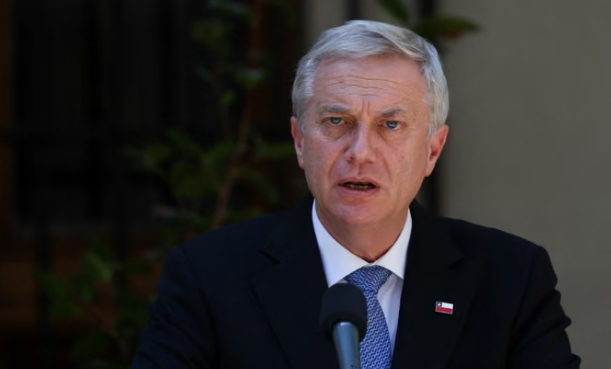
British Airways has suspended flights across key Middle Eastern destinations as the ongoing Iran-US war continues to disrupt global travel and trade. The airline announced that all flights to Amman in Jordan, Bahrain, Doha, Dubai, and Tel Aviv have been cancelled until later this month, with services to and from Abu Dhabi suspended until later in 2026.
Repatriation flights from Muscat to London will also pause after Thursday due to reduced passenger demand. Limited seats remain on the last flights departing Oman on Wednesday and Thursday, according to the airline.
The move by British Airways comes amid an intensifying conflict in the Middle East, with the Trump administration vowing to continue military operations against Iran.
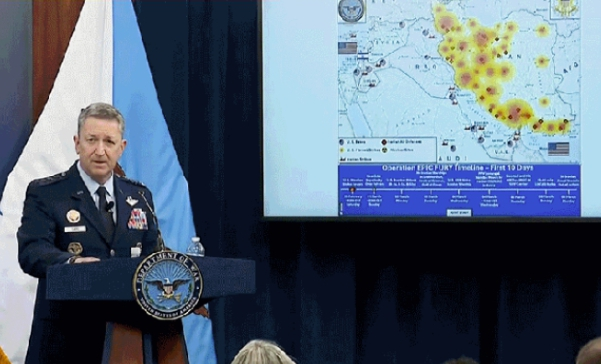
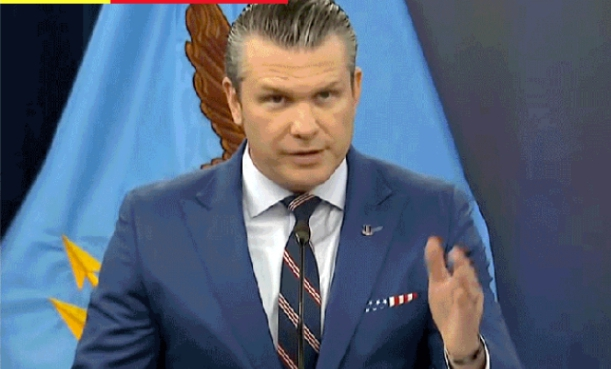
On Tuesday, US defence secretary Pete Hegseth confirmed that the strikes would continue, asserting that the United States would maintain a schedule that ensures the “enemy is totally and decisively defeated.” He added: “For example, today will be yet again our most intense day of strikes inside Iran.”
President Donald Trump has described the conflict as a “short-term excursion” that would conclude quickly, but he also warned of “death, fire and fury” should Iran interfere with maritime traffic in the strategic Strait of Hormuz.
The escalation has raised concerns among international airlines and commercial shipping companies about the safety of the region.
British Airways is the latest airline to adjust operations in response to the Middle East conflict. Other carriers had already suspended flights to the region, citing airspace instability and potential threats to passenger safety.
A spokesperson for the airline explained that the ongoing uncertainty, combined with low demand for repatriation services, necessitated a temporary reduction in flying schedules.
UK military presence increases in eastern Mediterranean
The Royal Navy has also strengthened its presence near the conflict zone. HMS Dragon, a Type 45 destroyer, has departed Portsmouth naval base en route to the eastern Mediterranean. The vessel is tasked with protecting Cyprus and nearby RAF bases from potential drone or missile attacks originating from Iran and its proxies.
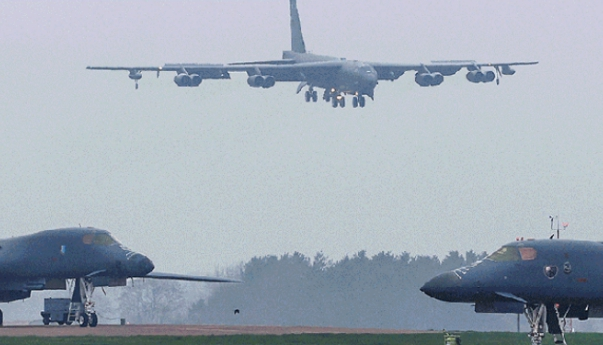
RFA Lyme Bay, a landing ship equipped with aviation and medical facilities, is being prepared for potential deployment to assist with evacuations or maritime operations if needed. A Ministry of Defence spokesperson said the decision to increase readiness was a precautionary measure aimed at ensuring swift responses to any emerging threats.
These deployments coincide with heightened tension following Iranian threats to retaliate against attacks on its infrastructure.
Mohammad Ghalibaf, speaker of Iran’s parliament, stated that any assault on Iranian infrastructure would be met with proportional and immediate responses.
“Let the enemy know that whatever they do, we will undoubtedly respond with a proportionate and immediate retaliation; no malice will go unanswered,” he said.
Escalating attacks and regional tensions
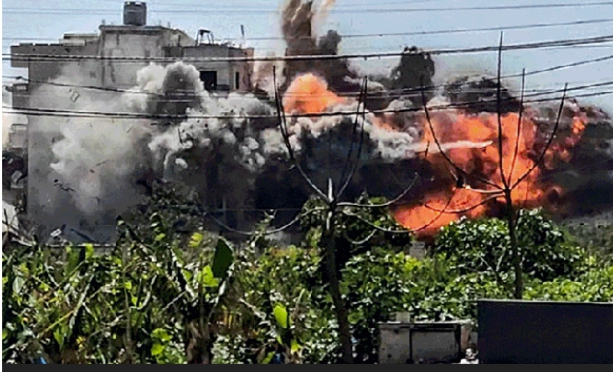
The ongoing Iran-US war has prompted several incidents across the region. Missile impacts were reported in the Beit Shemesh area of Israel following Iranian strikes, although local emergency services have not confirmed any casualties.
Israeli officials maintain that their objective is to neutralize long-term threats from Iran without engaging in an indefinite conflict. Foreign minister Gideon Sa’ar emphasized that Israel’s actions are aimed at self-defence and that the country does not seek a protracted war.
The situation has also placed international civilians at risk. British couple Lindsay and Craig Foreman, who were detained in Iran on charges of espionage during a motorcycle trip, were recently sentenced to ten years in prison. Their ordeal highlights the wider human impact of heightened hostilities in the region.
Meanwhile, accusations regarding the use of controversial weapons have added to tensions. Human Rights Watch reported instances of white phosphorus munitions being deployed over civilian areas in Lebanon, describing the use as unlawful and indiscriminate under international humanitarian law. Such reports underscore the complexity and volatility of the ongoing conflict.
Economic consequences and flight disruptions
The Iran-US war has had immediate economic repercussions. Oil prices have fluctuated sharply amid fears of disruptions to the Strait of Hormuz, a critical chokepoint for global energy supplies. Airlines, shipping companies, and international businesses are adapting to these developments, prioritizing safety and operational continuity.
British Airways’ cancellations directly affect thousands of passengers, both for leisure and repatriation purposes. Passengers with bookings on the affected routes are advised to monitor updates, while alternative flights on Etihad and Emirates remain available. The airline has indicated that its review of the situation will continue, with services expected to resume gradually once conditions allow.
Political and military perspectives
US political figures have voiced differing perspectives on the conflict. Megyn Kelly publicly criticised Senator Lindsey Graham, describing his support for the US-Israeli airstrikes as excessive.
Meanwhile, the Trump administration maintains that the military campaign is limited in scope and duration, designed to neutralize immediate threats without extending into a prolonged war.
The appointment of Mojtaba Khamenei as Iran’s new supreme leader has also drawn international attention. Following the death of Ayatollah Ali Khamenei in a US-Israeli strike, Mojtaba Khamenei, 56, is expected to continue his father’s policies. Analysts suggest that this leadership change may influence Iran’s military strategy and diplomatic posture in the coming months.
Humanitarian concerns
The ongoing Iran-US war raises significant humanitarian concerns. Regional civilians face the risk of injury, displacement, and economic disruption.
In addition, accusations of unlawful weapon use and the targeting of infrastructure highlight the potential for wider humanitarian crises. International organisations are monitoring the situation closely, urging restraint and adherence to international law.
Outlook
As the Iran-US war continues, airlines and governments are adjusting policies to manage the immediate risks. British Airways’ flight suspensions reflect both safety considerations and reduced demand for travel to conflict-affected areas. Meanwhile, the Royal Navy and allied forces maintain readiness to respond to emerging threats, while diplomatic efforts remain limited.
The coming weeks are expected to determine the trajectory of the conflict, with military, political, and economic developments likely to influence international responses.
Passengers, businesses, and civilians remain closely watching events unfold, as the situation in the Middle East continues to evolve amid heightened tension and uncertainty.
About The Author