

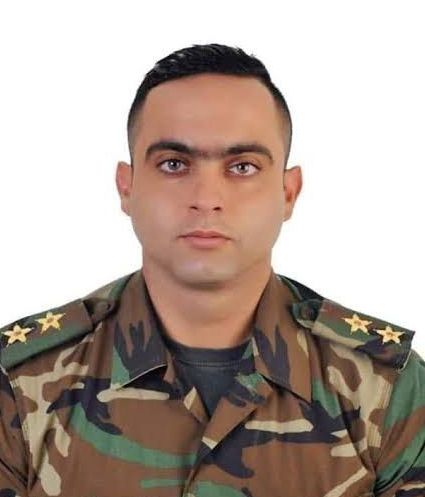
Israel has confirmed it killed Hamas commander Hassan Farhat in a targeted strike. This occurred in the Lebanese port city of Sidon, in a significant escalation of tensions. The strike, which occurred on Friday, also killed Farhat’s adult son and daughter, and has sparked widespread condemnation from Lebanese officials and international leaders.
According to the Israeli military, Farhat orchestrated multiple attacks on Israeli soldiers and civilians. These included a rocket attack on the Israeli town of Safed in February 2024. The attack killed an Israeli soldier. The Israeli military alleged that Farhat had been planning further attacks on Israeli targets. They claimed the strike was necessary to stop these attacks.
The Lebanese Prime Minister, Nawaf Salam, has condemned the strike as a “flagrant attack on Lebanese sovereignty.” He stated it is a breach of the November 27 ceasefire with Israel. Salam has called for “maximum pressure on Israel.” He wants to force it to halt these continual attacks. He has urged the international community to take action. They need to prevent further Israeli aggression.
Israel launched an airstrike on south Beirut earlier this week, resulting in the death of a Hezbollah Palestinian liaison officer. This marks the second raid on the capital since the November ceasefire between Israel and Hezbollah. According to the Lebanese health ministry, the strike claimed the lives of four individuals, including a woman.
The international community has also condemned the strike, with many leaders calling for restraint and calm. The United States is a key ally of Israel. It has expressed concern over the strike. Additionally, it has urged all parties to avoid further escalation. The European Union has also condemned the strike, and has called for an immediate end to hostilities.
The strike has significant implications for the region, and has raised concerns about the potential for further escalation. The strike is the latest in a series of escalations between Israel and Hezbollah, which have been ongoing despite the November ceasefire. Hezbollah has denied involvement in recent rocket attacks, but Israel has continued to target the group’s positions in Lebanon.
The strike has also raised humanitarian concerns, with many civilians caught in the crossfire. The Lebanese Red Cross has reported that several civilians were injured in the strike, and that emergency services are on the scene to provide assistance.
The strike has significant political implications, both within Lebanon and internationally. The Lebanese government has faced criticism for its handling of the crisis, and there are concerns that the strike could destabilize the government. Internationally, the strike has raised concerns about the potential for further conflict in the region, and has highlighted the need for a lasting solution to the Israeli-Palestinian conflict.
The Israeli-Palestinian conflict has a long and complex history, with roots dating back to the early 20th century. The conflict has been marked by periods of violence and calm, with various attempts at peace negotiations and agreements. However, a lasting solution has yet to be achieved, and the conflict remains a major source of instability in the region.
The Israeli strike that killed Hamas commander Hassan Farhat in Lebanon has sparked widespread condemnation and has raised concerns about the potential for further escalation. The strike has significant implications for the region, and has highlighted the need for a lasting solution to the Israeli-Palestinian conflict. As the situation continues to unfold, it is essential that all parties prioritize restraint and calm, and work towards a peaceful resolution.
About The Author
