

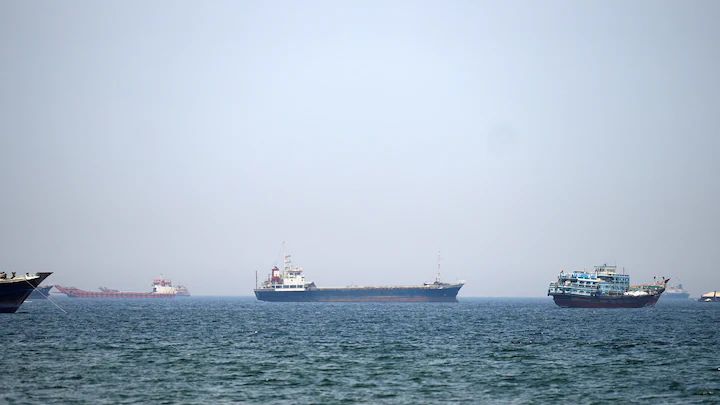
The Strait of Hormuz crisis is intensifying as the United States moves to build a new international coalition aimed at restoring the flow of commercial shipping through one of the world’s most critical energy corridors.
US moves to counter Iran blockade
According to a State Department cable, Washington is rallying partner nations under a proposed Maritime Freedom Construct, designed to coordinate diplomatic, military, and logistical efforts to counter disruptions caused by the Iran blockade.
The cable describes the initiative as “a critical first step” toward a post-conflict maritime security framework that will ensure long-term energy stability and protect vital shipping lanes. It adds that the effort is essential for maintaining navigational freedoms in strategic waters.
Under the plan, the State Department will act as the diplomatic hub, engaging foreign governments and the shipping industry, while the Pentagon will oversee real-time coordination of maritime traffic through its Central Command operations.
Flexible coalition strategy
US officials have made it clear that participation in the coalition will be flexible. Countries may contribute through naval deployments, intelligence sharing, sanctions enforcement, or diplomatic support without necessarily diverting existing resources.
“We welcome all levels of engagement and do not expect your country to shift naval assets,” the cable states, signalling an inclusive approach to coalition-building amid growing geopolitical strain.
The crisis has sharply reduced traffic through the strait, a route that previously handled about one-fifth of the world’s oil and gas shipments. Since the escalation of hostilities and subsequent Iranian actions, shipping activity has slowed significantly, raising fears of a global oil supply disruption.
Efforts to resolve the broader conflict remain stalled, with diplomatic negotiations failing to produce a breakthrough. In response, the US has intensified pressure on Iran’s energy exports, further escalating tensions in the region.
Read also: US Supreme Court Voting Rights Act ruling weakens protections as dissent warns law is “all but a dead letter”
The proposed coalition highlights Washington’s strategic priority to stabilise maritime trade routes and reassure global markets. However, the exclusion of key US adversaries from the initiative underscores the deep divisions shaping the current geopolitical landscape.
Analysts warn that prolonged disruption in the Strait of Hormuz could trigger sharp increases in global oil prices, worsening inflation and straining economies already dealing with fragile post-conflict recovery conditions.
Energy-dependent nations are closely monitoring developments, as any sustained blockage or instability in the waterway could force costly rerouting of shipments and increase pressure on already tight global energy supplies.
There are also concerns that miscalculation at sea could escalate tensions further, especially with multiple naval forces operating in close proximity, raising the risk of unintended confrontations in an already volatile region.
Africa, Europe and UK perspectives on the coalition
African nations are not central military players in the Strait of Hormuz crisis, but their stake is significant due to heavy reliance on imported refined fuel and exposure to global oil price swings.
Major economies like Nigeria, South Africa and Egypt are expected to support diplomatic efforts, intelligence sharing and maritime coordination through international bodies rather than direct naval deployment.
From a continental standpoint, institutions such as the African Union are more likely to back de-escalation, calling for stability in global trade routes while avoiding alignment in a conflict that could strain relations with both Western powers and energy partners.
Europe, on the other hand, has taken a more active diplomatic stance. The European Union has emphasised the urgency of restoring freedom of navigation, warning that prolonged disruption could severely impact energy security across the continent. European officials are also pushing for renewed diplomatic engagement alongside any maritime security measures.
Countries like France and Germany are expected to weigh participation carefully, balancing their security commitments with concerns about escalating tensions with Iran. Some European states may contribute naval assets, particularly those already involved in maritime monitoring missions in the region.
The United Kingdom is widely seen as one of the most likely partners to actively support the US-led initiative. Given its historical role in Gulf security and existing naval presence, Britain could provide logistical coordination, surveillance capabilities, and potentially deploy additional naval resources if the situation deteriorates further.
However, UK involvement will likely depend on political calculations in London, including risk assessment, public opinion, and alignment with broader NATO and allied strategies. Any decision to deepen military engagement would signal a significant escalation in Western involvement in the crisis.
Overall, while Africa leans toward diplomatic support, Europe appears cautiously engaged, and the UK stands out as a potential frontline contributor depending on how the crisis unfolds.

As the situation evolves, the success of this maritime security coalition could determine whether global shipping lanes remain constrained or gradually return to normal operations.
Do you think this coalition will ease tensions or deepen the crisis? Drop your thoughts in the comment box.