The US not backing Saudi Arabia in Yemen follows a meeting between American officials and Houthi leaders in Muscat, Oman where the Iran-backed group reportedly assured Washington that it would not target US shipping in the Red Sea.
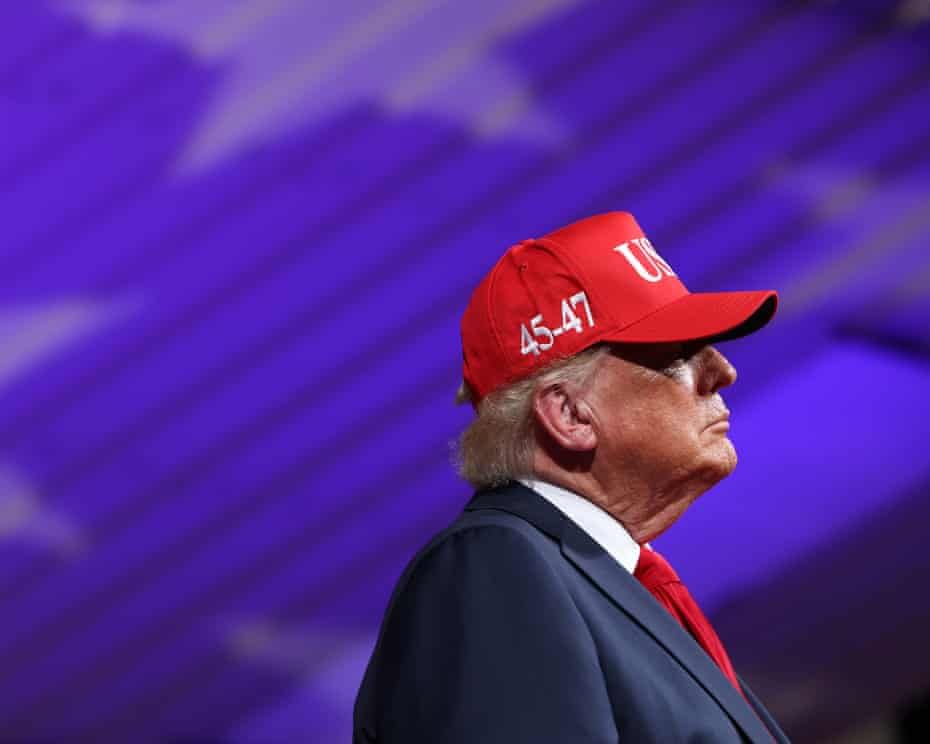
The meeting, held at the US embassy in Muscat over the weekend, has shed new light on President Donald Trump’s decision to condemn the Houthi advance along Yemen’s western coast while stopping short of providing direct military support to Saudi Arabia.
The Houthis reportedly told US officials that a ceasefire agreement reached between Washington and the group in 2025 remained in place and that they had no intention of attacking American vessels operating in the Red Sea.
According to the account, Houthi leaders indicated that Saudi-linked shipping remained a target because of Riyadh’s blockade of Yemen. Reuters separately reported that US officials had met Houthi representatives in Oman, with sources saying the meeting was previously undisclosed.
US Holds Back From Direct Military Intervention
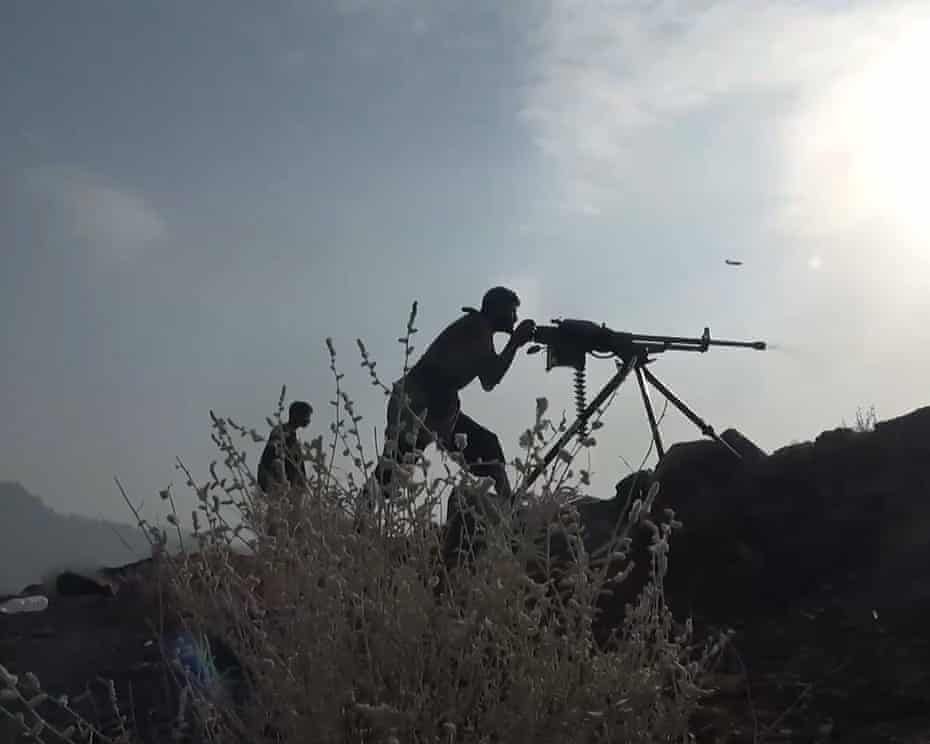
The development comes as Saudi Arabia and the Houthis face a major escalation in Yemen following a rapid Houthi offensive that has allowed the group to seize large areas along the western coast and move closer to the strategic Bab al-Mandab strait.
The waterway is a crucial maritime passage connecting the Red Sea with the Gulf of Aden, making the Houthi advance a significant concern for international shipping and regional energy supplies.
President Trump has condemned the Houthi advance because of the potential threat to freedom of navigation through the Bab al-Mandab, but Washington has so far resisted calls for direct military intervention on Riyadh’s behalf.
The decision comes while the United States remains deeply involved in its wider conflict with Iran, which supports the Houthis. Opening another major military front in Yemen could further expand the regional conflict.
A Reuters report said Trump had declined to authorize direct US strikes against the Houthis, although Washington has continued discussions with Saudi Arabia over regional security.
Former US Diplomat Describes ‘Tacit Understanding’
Nabeel Khoury, a former US deputy ambassador to Yemen, described the emerging relationship between Washington and the Houthis as a “kind of tacit understanding”.
Khoury said: “The Houthis are promising the American administration that American and international navigation will not be affected in the Red Sea, but the only danger is to Saudi ships or those carrying Saudi oil.”
His comments provide an explanation for why Washington may be seeking to contain the maritime consequences of the Houthi offensive without immediately entering the conflict on Saudi Arabia’s side.
The United States designated the Houthis as a foreign terrorist organisation in March 2025. Despite that designation, American officials have maintained contact with the group, with Vice-President JD Vance confirming that Washington was in direct communication with the Houthis.
Reuters reported that the Muscat meeting involved Houthi representatives and was reportedly facilitated in part by Oman, which has long played a mediating role in regional conflicts.
Saudi Arabia Faces Pressure Over Yemen Strategy
The Saudi Arabia Yemen conflict has now placed Riyadh under increasing pressure to determine how to respond to the Houthi advance without direct American military intervention.
Saudi Arabia could pursue negotiations with the Houthis over Yemen’s political future or seek stronger regional military cooperation with countries including Pakistan and Turkey.
The Houthis launched a rapid offensive last week, capturing substantial territory along Yemen’s Red Sea coast and putting additional pressure on Saudi-backed forces.
The developments have also raised concerns about the security of one of the region’s most important shipping corridors.
The United States has indicated that freedom of navigation remains a core interest, while Washington continues dialogue with Saudi Arabia and Yemen’s internationally recognised government.
Disputed Claims Over Mecca Drone Incident
The conflict has also taken on a highly sensitive religious dimension after Saudi Arabia said its forces intercepted a drone near Mecca.
Riyadh said the drone entered prohibited airspace close to the city’s holy sites and described any attack on Mecca as a red line.
The claim triggered condemnation from Yemen’s internationally recognised government and the Organisation of Islamic Cooperation, while Pakistan’s Prime Minister Shehbaz Sharif described what he called an attempted attack on Mecca as a “dastardly and heinous” act.
The Houthis rejected the Saudi account, describing it as a false claim. Houthi leaders argued that the movement, which follows the Zaydi branch of Shia Islam, respects the pilgrimage to Mecca.
Houthi deputy foreign minister Abdul Wahid abu Ras said: “whoever opened the land of the two holy mosques to debauchery and entertainment parties, and whoever defiled the land of the two holy mosques by the presence of Zionist Jews in it, is the one who targets Mecca, Medina and the Islamic holy sites”.
The competing accounts have not been independently established, underscoring the increasingly intense information battle surrounding the Yemen conflict.
Houthis Claim Attacks On Saudi Targets
The Houthis have also claimed military successes against Saudi forces, including the alleged shooting down of a Saudi F-15 fighter near Marib and an attack on an Aramco facility in Yanbu.
The Houthi military spokesperson did not provide supporting evidence for the reported downing of the aircraft.
Mohammed Abdul Salam, head of the Houthi negotiating team, nevertheless said the alleged incident should serve as a warning to Western governments against accepting what he described as Saudi propaganda.
Mohammed al-Farah, a member of the Houthi political bureau, said: “The truth is that Saudi Arabia is experiencing a real predicament in Yemen. It became embroiled in a war, a siege and an occupation, and then failed to achieve its goals.
“Today, it is looking for external solutions, so it is begging the international community, warning the world about Bab al-Mandab and requesting support from Pakistan, Turkey, America, Israel and Egypt. Then it is trying to mobilise Muslims with a false pretext called ‘targeting Mecca’.”
The claims and counterclaims have added another layer to an already complex conflict involving Yemen’s rival authorities, Saudi Arabia, the United States, Iran and other regional powers.
Israel And Arab States Discuss Yemen
Separately, reports have emerged of a secret meeting in Germany involving senior military officials from the United States, Israel and several Arab countries.
According to details reported by Axios journalist Barak Ravid, the meeting was organised by US Central Command chief Admiral Brad Cooper and involved military chiefs from Israel, Saudi Arabia, the United Arab Emirates, Bahrain, Kuwait, Qatar, Jordan and Egypt.
The gathering reportedly took place against the backdrop of the wider US-Israel war with Iran and growing concerns over regional security.
Israel, which has previously faced Houthi attacks, has also offered to intervene in Yemen on Saudi Arabia’s behalf.
The reported discussions illustrate how the conflict in Yemen is increasingly connected to the broader military confrontation involving Iran, Israel, the United States and several Gulf states.
Red Sea Security Becomes Global Concern
The United Nations Security Council has also addressed the growing danger to Red Sea shipping, condemning any attempt to close the vital maritime route.
At the same time, Russia appeared to shift its position on Yemen’s competing authorities, while China called for efforts to prevent the conflict from spreading further into Yemen and the Red Sea.
In Beijing, Iranian Foreign Minister Abbas Araghchi met Chinese Foreign Minister Wang Yi as Tehran sought support for its plans concerning the future administration of the Strait of Hormuz.
The Strait of Hormuz remains closed amid separate Iranian and US blockades, adding to the pressure on alternative energy and shipping routes in the region.
China, a major importer of Iranian oil, has called for a diplomatic settlement and opposed the wider expansion of sanctions affecting countries trading with Iran.
Oil Prices Remain Under Pressure
The wider regional conflict is also having significant consequences for global energy markets.
Read also: Trump threatens tariffs over Canada EU membership, calls proposal ‘laughable’
Oil prices remain above $100 a barrel, while a major Saudi east-west pipeline has remained closed following a bombing incident.
The disruption has increased concerns over the reliability of oil supplies and the security of alternative export routes as fighting spreads across several strategic areas of the Middle East.
For Saudi Arabia, the Houthi advance therefore presents both a military and economic challenge, particularly because the group’s growing presence along the Red Sea coast places greater pressure on maritime routes.
For Washington, meanwhile, the meeting with Houthi leaders suggests that avoiding a direct military confrontation in Yemen remains a consideration even as the United States seeks to protect freedom of navigation.
The immediate question is whether the assurances reportedly given by the Houthis will hold, and whether Saudi Arabia will pursue negotiations or seek greater regional military support.
For now, the US not backing Saudi Arabia in Yemen marks a significant development in the evolving conflict, as Washington attempts to balance its relationship with Riyadh, its confrontation with Iran and the need to keep the Red Sea open to international shipping.