Sahel violence is set to reach record levels this year as groups linked to al-Qaida and Islamic State intensify attacks across Mali, Burkina Faso and Niger, according to new conflict data.
Figures compiled by the Armed Conflict Location and Event Data organisation, Acled, show a dramatic escalation in violence involving jihadist groups across the central Sahel, where militant organisations have expanded their operations and challenged state forces.
Sahel Violence Reaches New Highs
The three countries form a strategically important belt across West Africa and have become a major centre of Islamist militancy. The latest figures indicate that the region’s security crisis has continued to deepen despite sustained military operations and international efforts to contain armed groups.
Acled recorded only 63 incidents involving jihadist groups across Mali, Burkina Faso and Niger in 2016. That figure increased to 2,845 incidents in 2025, demonstrating the extraordinary growth in violence over less than a decade.
Conflict Events Surge Across the Region
The situation has deteriorated further in 2026. According to the figures cited in the report, 2,145 events had already been recorded during the year by September, putting the region on course to exceed 3,000 incidents if the current pattern continues.
The rise in jihadist attacks in Africa comes at a time when terrorism deaths globally have declined. The contrast highlights the increasingly concentrated nature of militant violence, with the Sahel accounting for some of the world’s highest terrorism-related death tolls.
The 2026 Global Peace Index reported that the United Nations recorded more than 9,000 deaths from security incidents across Burkina Faso, Mali and Niger in 2025. The figure illustrates the severe human cost of the region’s continuing instability.
JNIM Expands Operations in Mali
The Guardian reported that the expansion of militant activity has been particularly significant in Mali, where Jama’at Nusrat ul-Islam wa al-Muslimin, commonly known as JNIM, has mounted major operations alongside the Tuareg-dominated Azawad Liberation Front.
Major Offensive Puts Military Forces Under Pressure
The joint offensive launched in April targeted strategic towns, government positions and Russian forces supporting Mali’s military authorities. Fighters reportedly used ambushes, car bombs, drones and raids during the campaign, placing additional pressure on government forces.
The violence reached the country’s military leadership when Mali’s defence minister was killed in a suicide attack at his residence in Kati, a garrison town located northwest of Bamako. The head of military intelligence was also killed.
Other attacks targeted Mali’s international airport, while rebels captured the strategically important city of Kidal. The developments represented a setback for the military authorities, who had previously presented control over the area as an important achievement.
JNIM has subsequently continued expanding its areas of influence in Mali, according to the information cited in the report. The group has also continued attacks against soldiers and Russian personnel while extending its activities into neighbouring countries.
The situation demonstrates the changing character of the Mali security crisis, where jihadist groups, separatist forces, government troops and foreign military personnel are operating within an increasingly complicated conflict environment.
Violence Involves Multiple Armed Actors
Not all violence in the region is directly attributable to jihadist organisations. Rival militant factions have also fought one another, while government forces and Russian personnel have been accused of involvement in killings during military operations.
This distinction is important because the conflict cannot be reduced to a single confrontation between governments and jihadist organisations. Several armed groups and political interests operate simultaneously, creating overlapping and sometimes competing sources of violence.
Burkina Faso Faces Rising Jihadist Attacks
Burkina Faso has also experienced a significant expansion in militant activity. JNIM has claimed more than 130 attacks in the country during 2026, with some operations taking place increasingly close to Ouagadougou, the national capital.
Militants Move Closer to Ouagadougou
The reported attacks illustrate the geographical expansion of JNIM’s campaign. Operations that once appeared concentrated in remote areas have increasingly affected locations closer to major population centres and political institutions.
For civilians, the expansion has contributed to an already difficult security environment. Communities across the region face the consequences of armed attacks, displacement, disrupted economic activity and the continuing struggle between state forces and militant organisations.
Niger presents a somewhat different pattern. JNIM has claimed at least 17 attacks there but has remained less active than Islamic State in the Greater Sahara, according to a recent United Nations report based on intelligence supplied by member states.
The difference between the three countries demonstrates that jihadist activity is not uniform across the Sahel. Different organisations possess varying degrees of territorial influence, operational capacity and local support in different parts of the region.
Al-Qaida’s African Strategy Has Changed
Experts cited in the report say the African branches of al-Qaida and Islamic State increasingly operate according to local priorities rather than the global objectives historically associated with the organisations.
Sahel Groups Focus On Local Conflicts
“In the Sahel, Islamic State and al-Qaida now command big areas but these are very localised groups,” said Ulf Laessing, a senior analyst at the Konrad Adenauer Foundation in Berlin.
Laessing added that no attack in Europe or the United States had been planned in the Sahel, highlighting the distinction between the groups’ current regional operations and al-Qaida’s earlier emphasis on attacks against Western targets.
The development represents an important change from the period following the September 11, 2001 attacks, when al-Qaida and its affiliates were associated with a global campaign against the United States, Israel and governments in the Middle East.
Today, the organisation’s strongest operational presence is increasingly concentrated among regional affiliates. In sub-Saharan Africa, groups connected to al-Qaida and Islamic State have exploited political instability, weak governance, local conflicts and competition over resources.
Al-Shabaab Maintains Influence in East Africa
Al-Shabaab remains the most prominent al-Qaida-linked organisation in eastern Africa. The group continues to control or operate across significant rural areas of Somalia and has maintained its ability to generate revenue through local networks.
Al-Shabaab Violence Remains Significant
Acled senior analyst Peter Bofin said al-Shabaab-related violence had resulted in more than 10,000 reported deaths during the previous 18 months. He noted that although the group’s extortion activity in Mogadishu had experienced some degradation, its revenue networks extended across Somalia and the wider region.
Other militant organisations loosely associated with Islamic State are active in the Democratic Republic of Congo, Mozambique, Chad and Nigeria. Their activities demonstrate how extremist violence has developed across several parts of sub-Saharan Africa rather than remaining confined to the central Sahel.
The expansion has therefore created a broader African security challenge, with militant networks operating across different geographic areas and pursuing objectives shaped by local circumstances.
Why Islamist Militancy Is Growing
The broader Islamist militancy in the Sahel crisis is shaped by several overlapping factors. Sectarian and ethnic tensions, resource competition, poor governance, political instability and weak state institutions can all create conditions in which armed groups recruit fighters and establish influence.
Local Instability Creates Opportunities
Territorial control can give militant organisations access to communities, resources and routes across difficult-to-govern areas. Weak state presence can also make it harder for governments to provide security and basic services in remote communities.
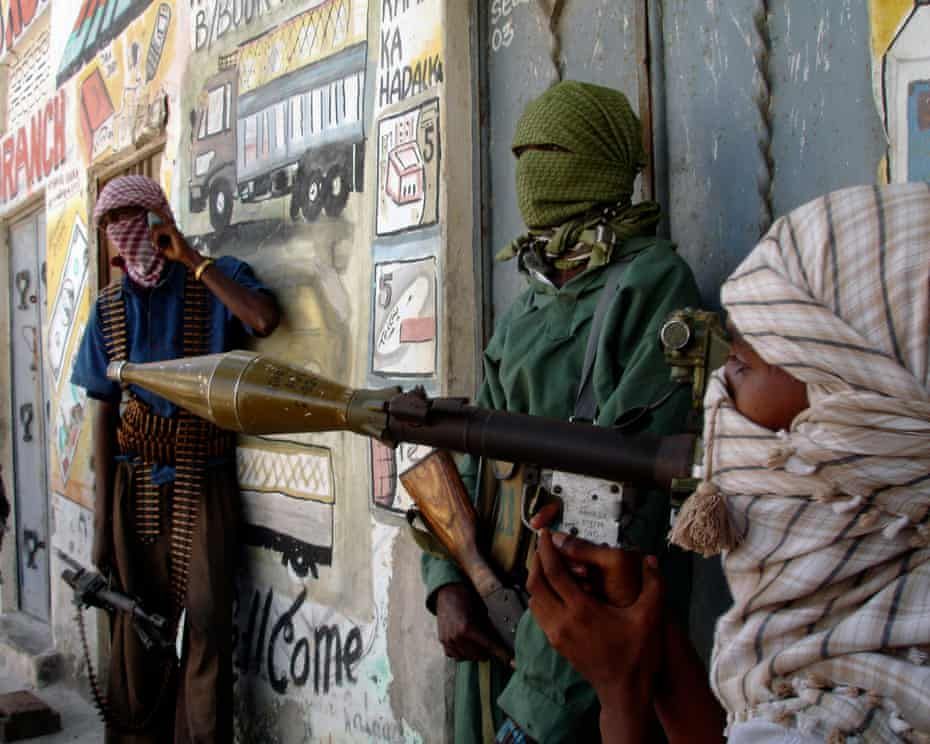
At the same time, the presence of multiple armed groups can intensify competition over territory and resources. Government military campaigns may weaken some factions while creating new grievances or leaving security gaps that other organisations subsequently exploit.
These dynamics help explain why the rise in violence has continued despite changes in governments, military leadership and foreign security partnerships across the region.
Al-Qaida Leadership Faces Uncertainty
Al-Qaida’s senior leadership itself is described in a recent United Nations assessment as increasingly marginalised. The organisation’s capability and intention to conduct external operations remain unclear, according to the report.
No Formal Successor Announced
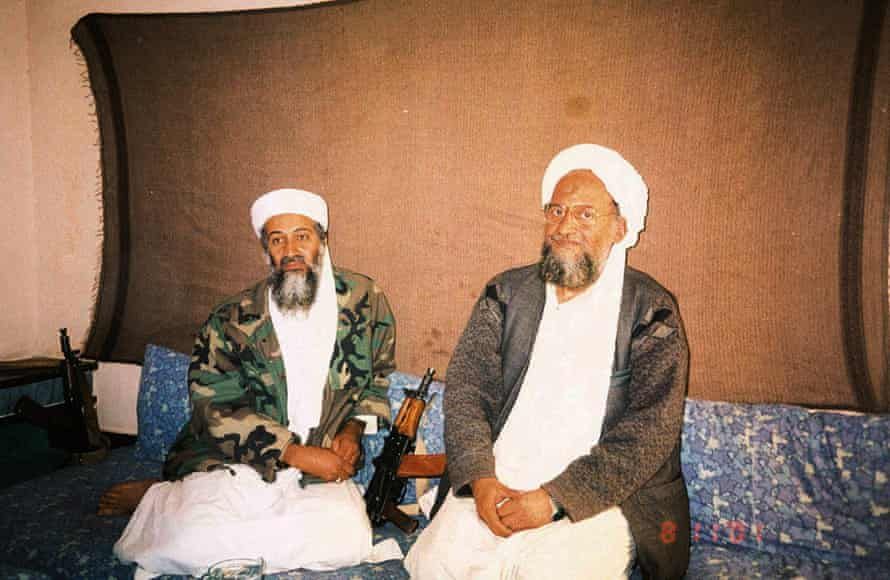
There has also been no formal announcement of a successor to Ayman al-Zawahiri, the Egyptian militant leader who was killed in Kabul by a United States strike in 2022.
Saif al-Adel, a veteran al-Qaida figure believed to be in Iran, is widely regarded as the group’s de facto leader, although he has not publicly confirmed the position. Other senior figures are believed to have established themselves in Afghanistan.
The uncertainty surrounding al-Qaida’s central leadership contrasts with the growing operational strength of several regional affiliates. This suggests that the organisation’s contemporary influence cannot be measured solely by the visibility or activity of its senior leadership.
AQAP Activity Declines Despite Continued Threat
Outside Africa, the Yemen-based al-Qaida in the Arabian Peninsula remains one of the organisation’s most significant affiliates. The United Nations has described the group as a leading component of the global al-Qaida movement.
Yemen-Based Group Records Lower Activity
Yet even AQAP has experienced a reduction in operational activity. Acled data cited in the report showed that incidents involving the group fell substantially during the first seven months of 2026 compared with the corresponding period in 2025.
The contrasting trends underline the changing geography of terrorism. While some traditional al-Qaida networks have weakened or become less capable of conducting major international operations, affiliated organisations in Africa have expanded their local influence.
Sahel Faces Continuing Security Pressure
For the Sahel, the immediate challenge remains the continuing pressure on governments and civilian populations. Rising attacks, territorial contests and large-scale displacement have placed additional burdens on countries already dealing with political and economic instability.
Read also: Trump midterm election push: US officials prepare for federal interference and election disputes
More Than 3,000 Events Could Be Recorded
The increase in violence also presents a difficult security challenge for military-led governments in Mali, Burkina Faso and Niger. Their efforts to rely increasingly on domestic forces and alternative foreign security partnerships have not prevented militant organisations from maintaining substantial operational capacity.
The latest figures suggest that the central Sahel remains one of the world’s most active theatres of jihadist violence. If the current pace continues through the remainder of 2026, the region could record more than 3,000 conflict events involving jihadist groups during the year.
That projection does not necessarily mean that the groups have regained the global capabilities associated with al-Qaida during the years after September 11. Instead, the data points to a more geographically concentrated conflict in which locally focused militant organisations have become increasingly powerful.
The continuing expansion of these groups makes the Sahel a central focus of Africa’s security crisis. It also demonstrates how local conflicts, political instability and militant movements can combine to produce sustained violence even as terrorism declines in other parts of the world.