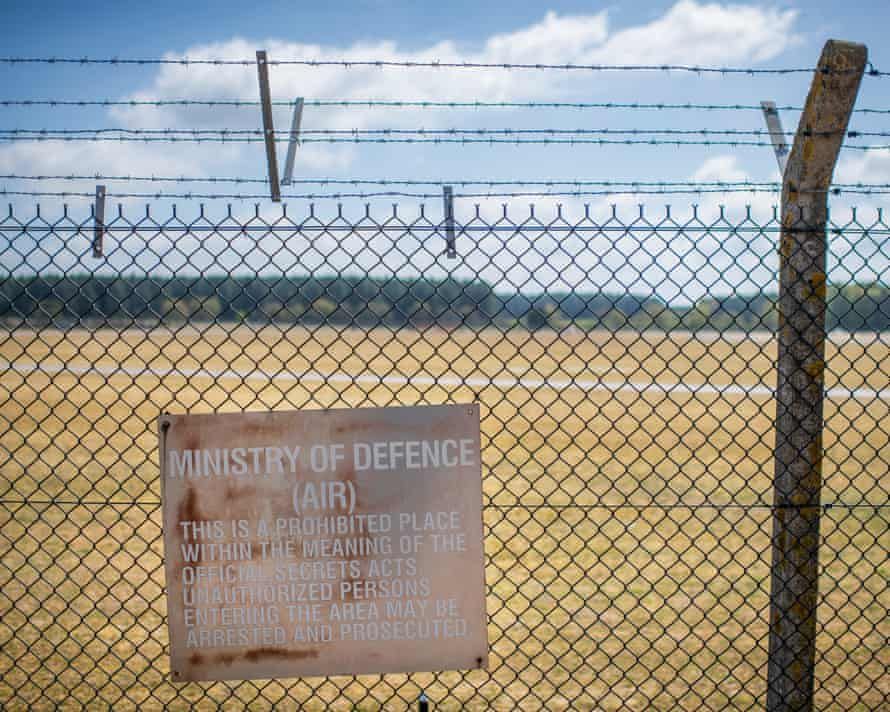
The US launches heavy strikes on Iran in a “heavy wave” operation on Thursday, retaliating after Tehran fired missiles at American bases in Jordan. The escalation ends a days-long pause and pushes the region closer to all-out war.
US Central Command said the strikes hit dozens of Islamic Revolutionary Guard Corps targets. The targets included command centers, missile and drone facilities, and coastal defenses across Iran.
The Retaliation And Regional Response
The new strikes came hours after Donald Trump vowed to hit Iran “very hard.” According to CENTCOM, the two-hour operation was “a powerful response to yesterday’s attempted Iranian attacks on US forces based in the Middle East.”
Iranian state media reported explosions in Khuzestan province and on Qeshm island near the Strait of Hormuz. Authorities in Abadan, Shadegan, Arvandkenar and Ahvaz confirmed impacts, with two people injured on Qeshm according to early reports.
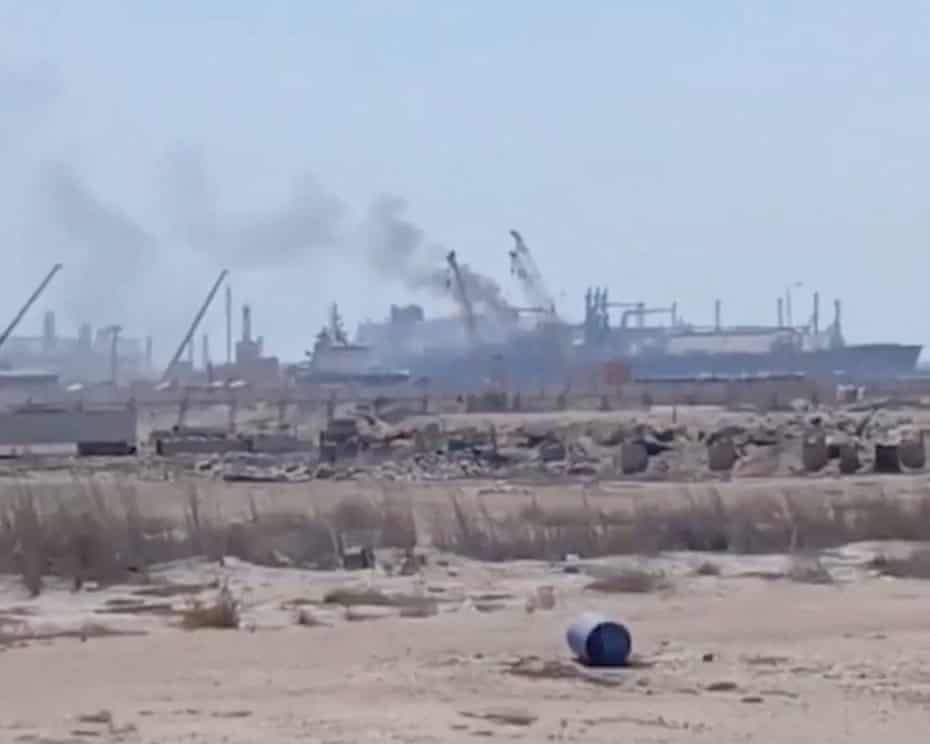
Jordan became the immediate flashpoint. Jordan’s military said it intercepted five Iranian missiles targeting the kingdom. “Interception measures were carried out and there were no casualties,” the Jordan News Agency reported, adding that forces remain on “the highest levels of readiness.”
That interception matters because it shows the conflict is no longer contained to US and Iranian assets. A US ally was directly in the line of fire.
Oil markets reacted instantly. Brent crude jumped 7.3% to above $88 before settling at $89.78. WTI fell slightly to $83.82 as traders weighed supply risks through the Strait of Hormuz. Analysts at Rystad Energy estimate 13m barrels per day from the Gulf are still flowing.
Diplomacy, Pressure, And Force On The Table
Behind closed doors, options are narrowing. A senior Israeli official told Reuters that Trump and Benjamin Netanyahu discussed “a deal, continuing the blockade and economic pressures, and a massive strike.”
The official described Trump as the “senior partner” and Netanyahu as the “junior partner” in confronting Iran. Netanyahu reportedly added “unspecified new ideas” but did not push for immediate escalation.
The Wall Street Journal reported that Adm. Brad Cooper of US Central Command proposed a 10 to 14-day air campaign to “cripple Iran’s missile capability.” The plan is one of several options being weighed alongside more limited strikes.
Trump himself was blunt in the Oval Office: “We’re going to be hitting them very hard, because it’s our turn to hit them. They know it’s coming.”
That rhetoric sent a signal to Tehran and to markets. But experts note a pattern. Geopolitical headlines spike prices, then diplomacy and actual supply flows determine if gains hold.
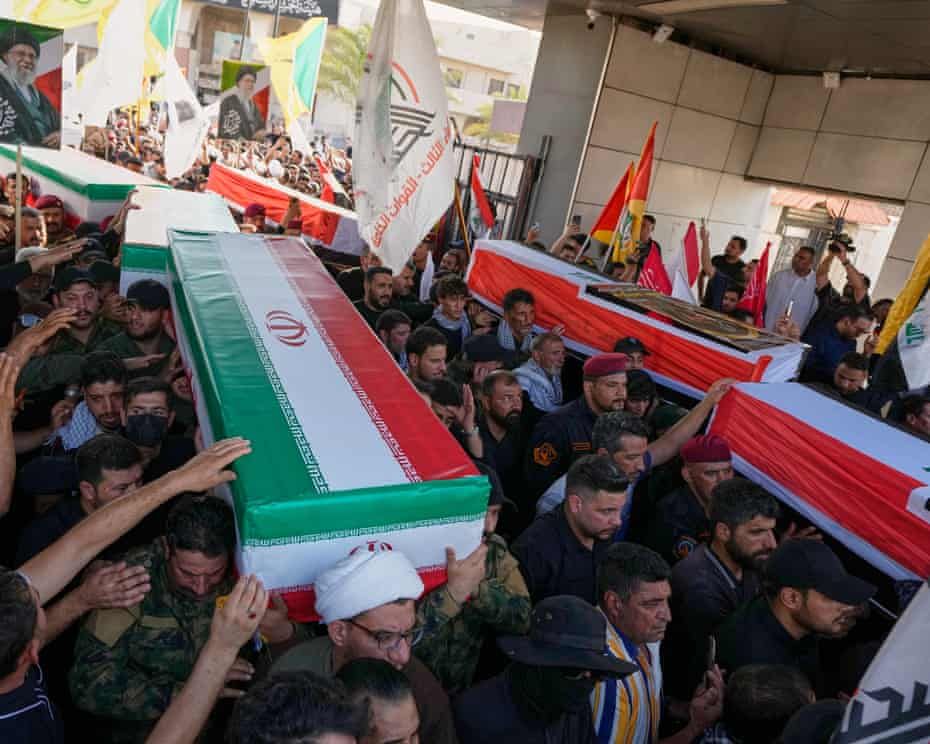
The war is widening. On Wednesday, the US partnered with Saudi Arabia to strike Iran-backed militias in Iraq. At least 20 fighters and six Iranian advisers were killed in those raids.
Riyadh’s public involvement marks a turning point. Analysts at Chatham House warn the region has entered “uncharted territory.” “Everyone is trying make sense of something that is increasingly senseless,” said Sanam Vakil.
Shipping data shows the tension. A QatarEnergy LNG tanker exited the Strait of Hormuz overnight for the first time since July 11. Twelve commodity ships transited the strait on Wednesday.
Mediators say they are “still trying with both sides” to restore a ceasefire. But prospects look slim while both sides keep striking. Iraq’s president called the US-Saudi raids “a blatant violation of Iraq’s sovereignty.”

The US launches heavy strikes on Iran has therefore done more than answer one attack. It has reset the rules of engagement for the entire Middle East.