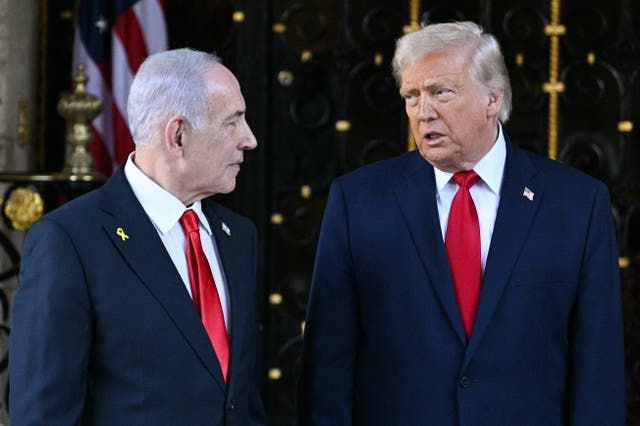

Israel’s decision to strike Iran despite direct appeals from U.S. President Donald Trump has exposed growing tensions over the future of Israel-Iran peace talks.
The brief exchange of fire between the two longtime rivals has highlighted Prime Minister Benjamin Netanyahu‘s determination to ensure Israel has a stronger voice in negotiations that could reshape the Middle East.
Although both sides quickly halted hostilities after Trump’s intervention, Israeli officials and analysts believe the military action sent a clear message: no lasting agreement with Iran can succeed if Israel’s security concerns are ignored. The latest developments underscore the increasingly complex relationship between Washington and Jerusalem as diplomatic efforts continue.
Israel-Iran Peace Talks Face New Test
Israel carried out strikes on Iranian targets on Monday, marking the first direct attack on Iran since the ceasefire reached in April. The action came after Iran launched missiles at Israel, describing the attack as retaliation for Israeli strikes in Lebanon.
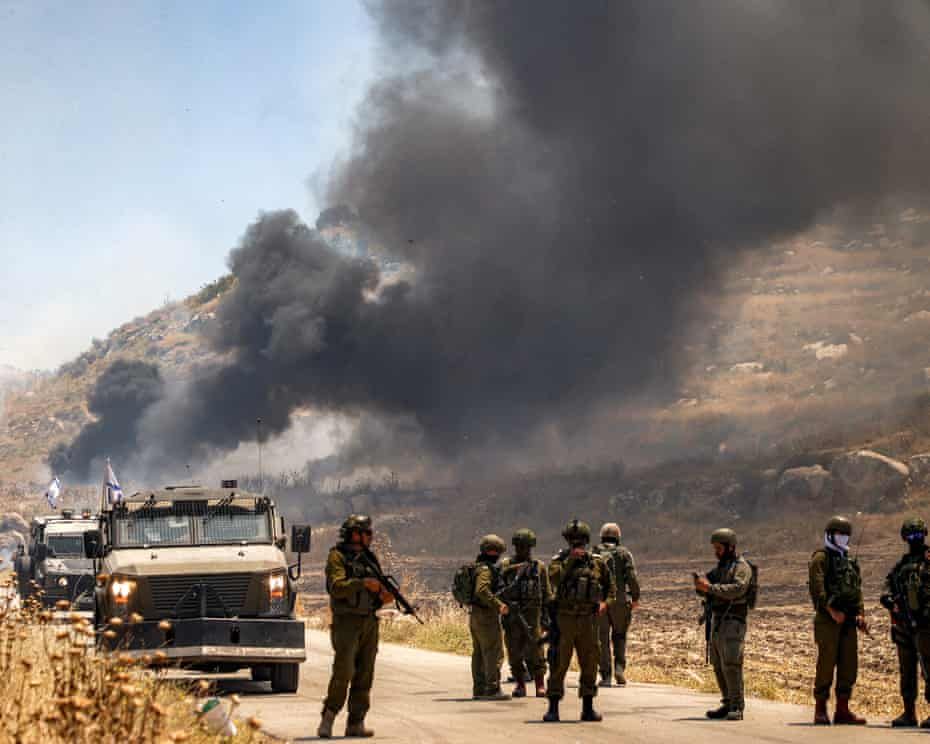
Military historian Danny Orbach of the Hebrew University said the operation was intended to remind Washington that Israeli interests cannot be sidelined.
“Because if it tramples too heavily on Israeli interests, Israel can overturn the table.”
The brief confrontation ended shortly after Trump publicly urged both sides to stop further attacks.
Trump Iran Negotiations Exclude Israel
Growing Frustration in Jerusalem
Trump has been pursuing a negotiated settlement with Iran while largely excluding Israel from direct participation in the talks.
The U.S. president has repeatedly urged Netanyahu to avoid military actions that could derail diplomatic efforts. Last week, Netanyahu reportedly canceled planned airstrikes on Beirut following a phone conversation with Trump.
The disagreement has fueled criticism within Israel, where opponents argue that the government is limiting military operations to support negotiations in which it has little direct influence.
Iran has also maintained that any agreement with Washington must be accompanied by a lasting ceasefire in Lebanon.
Netanyahu Seeks Security Guarantees
According to Israeli officials familiar with recent deliberations, Netanyahu convened senior defense and security leaders before authorizing the strike on Iran.
One key objective was to ensure that any future agreement between Washington and Tehran would not restrict Israel’s ability to conduct military operations against Hezbollah in southern Lebanon.
A senior Israeli defense official told Reuters that Israel could not accept a situation where Iranian missile attacks were viewed as a legitimate response to Israeli operations in Lebanon.
Following the ceasefire, Netanyahu reiterated Israel’s position.
“I say this to you,” Netanyahu told Israelis, “as I say it with appreciation and respect in my good conversations with my friend President Trump.”
Israel Iran Conflict Reveals Strains Between Allies
The latest escalation has exposed growing disagreements between Trump and Netanyahu despite their longstanding political alignment.
Reports indicate Netanyahu has privately acknowledged difficulties influencing Trump’s approach toward Iran. While Israel possesses the military capability to strike Iranian targets independently, analysts say a prolonged campaign would be difficult without American support.

Yehoshua Kalisky, a senior researcher at Israel’s Institute for National Security Studies, emphasized Israel’s limitations.
“There’s no doubt that Israel (cannot) go alone in this war for a long, long time, because (the) ammunition is consumable.”
U.S.-Iran Diplomacy Remains Fragile
Despite the brief exchange of fire, both Washington and regional leaders continue to pursue a diplomatic solution.
However, Israel’s latest actions demonstrate that Jerusalem intends to remain a major factor in shaping any future agreement. As U.S.-Iran diplomacy advances, the challenge for negotiators will be balancing regional security concerns with efforts to secure a lasting peace.
Read also: Zelensky confirms Roman Abramovich peace talks role between Ukraine and Russia