

Trump threatens to bomb Iranian infrastructure if Tehran targets ships in the Strait of Hormuz, warning the US will “bomb and destroy ONE BRIDGE OR POWER PLANT” in retaliation. The post came after an 11th consecutive night of US strikes on Iran and as both sides trade threats over the vital waterway.
The escalation has pushed the conflict into a new phase, with civilian infrastructure now directly named as a target and regional shipping at risk of wider disruption.
“One Bridge Or Power Plant” — Trump’s New Warning
The Social Media Threat
Donald Trump took to social media Wednesday to lay out the new doctrine.
“From this point forward, any time the Islamic Republic of Iran shoots at a ship in the Strait of Hormuz, whether it be by Missile, Rocket, Drone, or any other device or weapon, the United States will bomb and destroy ONE BRIDGE OR POWER PLANT, including those located next to, or in, the Capital City of Tehran. Thank you for your attention to this matter! President DONALD J. TRUMP”
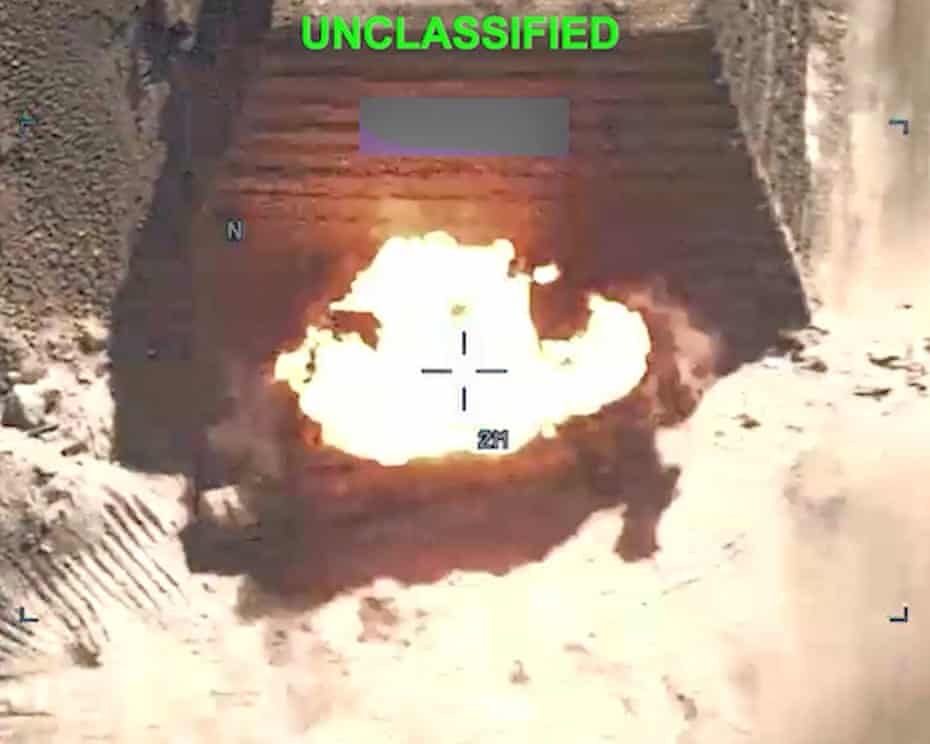
The statement followed what the US military described as the 11th successive night of strikes on Iran. Trump said the move was a response to Iran targeting commercial shipping in the Gulf.
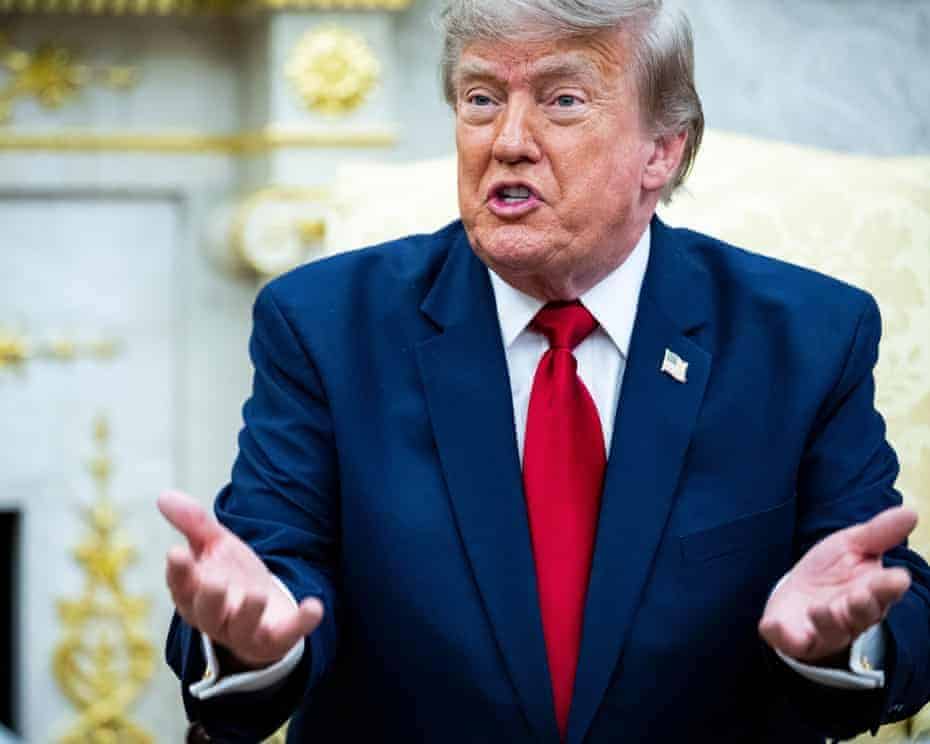
He later told reporters at Joint Base Andrews that Americans “do not want higher gasoline prices but are not opposed to war with Iran,” citing an unnamed poll without providing figures.
Iran’s Counter-Threat
Tehran responded in kind. Iran’s military HQ warned of a “powerful attack” against all US targets in the Gulf if the US strikes the heavily fortified “Pickaxe Mountain” nuclear site.
“America, its allies, and the supporters of that rogue and evil country will be targeted by a powerful assault from Iran’s armed forces,” the statement said.
Iran also announced fresh attacks around the region. The Revolutionary Guards said they targeted the Prince Hassan and King Faisal bases in Jordan. Drones hit US targets at Camp Doha in Kuwait, according to Iranian media. Sirens sounded in Bahrain, and Saudi civil defence issued a warning in Dammam.
Shipping And The Strait Of Hormuz
The Strait of Hormuz carries about 20% of the world’s oil. Both sides are now using it as leverage.
The EU’s naval force Aspides warned ships linked to Israel, the US, or Saudi Arabia to avoid the Red Sea and Gulf of Aden.
“EUNAVFOR ASPIDES recommends that merchant vessels linked to Israeli, U.S. or Saudi interests avoid transiting the Red Sea and Gulf of Aden until the threat level decreases.”
Shipping data showed the impact. Four tankers changed course in the Red Sea on Wednesday, with two signaling Suez Canal as the new destination after Houthi warnings to avoid Saudi ports. Three oil tankers carrying Saudi crude for China and India made U-turns on Tuesday.
Pro-Houthi students in Sanaa, Yemen marched on campus, walking on US, Israeli and UK flags in support of the group amid the escalation.
The Cost And The Politics At Home
The war is getting expensive. US Defense Secretary Pete Hegseth told Congress the cost has reached $37.5 billion, likely a low-end estimate. Before last week’s attacks, CSIS estimated $34-$42 billion. Other analysts put it above $100 billion.
Hegseth’s appearance did not go well. He asked for an additional $87.6 billion for the Pentagon, with over $70 billion earmarked for Iran operations. Senators pushed back as intelligence officials warned there is “no end in sight.”
The Islamic Revolutionary Guard Corps said:
“ should know that, by God’s grace, even if this war lasts for several years, until the very last day, our missiles and drones will rain down on American criminals.”[Trump]
Trump reiterated that Iran “cannot be allowed to acquire a nuclear weapon,” amid reports his administration is considering dropping safeguards that prevent Saudi Arabia from developing one.
Diplomacy Collapses, Tensions Spread
The breakdown in talks set the stage. According to earlier reporting, Iran offered a nuclear deal in Geneva but said Oman told them Washington’s mood had turned “more bellicose” the next day. Strikes began hours later.
Diplomatic friction is spreading. France summoned Iran’s charge d’affaires after two French diplomats in Tehran said their phones were taken and they were verbally intimidated. Iran said security agents questioned the staff over a meeting with people under investigation and denied intimidation.
The EU Aviation Safety Agency added Jordan to its no-fly list, joining Bahrain, Kuwait, Qatar, UAE, Iran, Iraq and Lebanon.
“Since the middle of July 2026, the security situation has deteriorated rapidly, with a sustained increase in kinetic military activity affecting Jordanian airspace.”
What Happens Next
Trump’s threat marks a shift. Until now, US strikes focused on military and nuclear sites. Naming bridges and power plants in Tehran as targets raises the stakes and risks civilian casualties.
Read also: Abbas Araghchi describes Khamenei attack and Iran’s survival plan
Iran’s strategy appears to be twofold: hit US bases around the Gulf, and threaten the global economy by targeting shipping and oil flows.
The US strategy is deterrence through punishment: every attack on a ship equals a strike on Iranian infrastructure.
Both sides believe time is on their side. Iran is betting that rising costs and regional pressure will force Washington to back down. The US is betting that economic pain and leadership decapitation will force Tehran to capitulate.
Neither has happened yet. Instead, the war is widening. Tankers are turning around. Airlines are rerouting. Protesters are marching. And the price tag keeps climbing.
Trump ends his post with “Thank you for your attention to this matter.” In Tehran, the military ends its statement with a promise of “powerful assault.” Between those two lines, the Middle East is bracing for what comes next.
About The Author


